Creativity has constantly evolved alongside technology. From hand-drawn illustrations to photography and digital design software, each innovation has reshaped how visual ideas are created and shared. Today, artificial intelligence is driving the next major shift. AI image generators tools are changing how visuals are imagined, produced, and refined across industries.
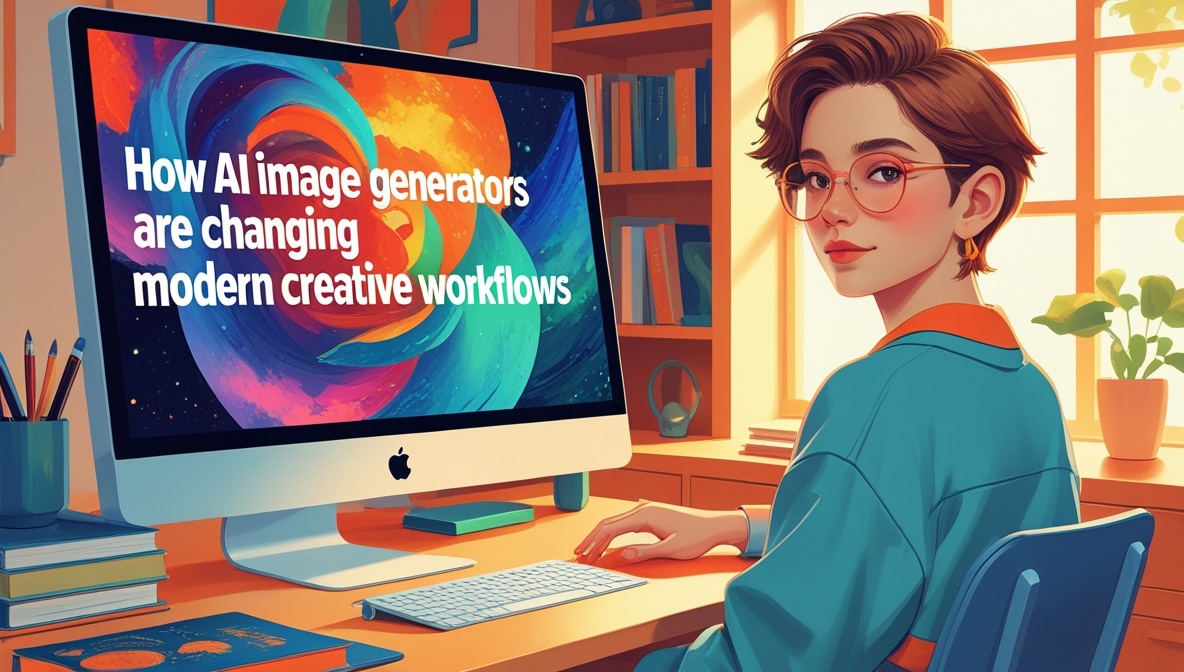
AI image generators are no longer experimental technologies reserved for research labs. They are now practical tools used daily by designers, marketers, educators, entrepreneurs, and content creators. With simple text prompts, users can produce visuals that once required extensive technical skills and long production timelines. As a result, the modern design process is becoming faster, more flexible, and more inclusive.
This article explores how AI image generation is influencing creative workflows, how designers are using AI-generated images in real projects, what features creators expect from an AI image generator, and how AI design tools are shaping the future of digital creativity.
Understanding AI Image Generation and Its Creative Impact
AI image generation refers to the process of creating visuals using artificial intelligence models trained on vast collections of images and visual patterns. These models learn how shapes, colors, textures, lighting, and artistic styles work together. When a user provides a text description, the system translates those words into an image.
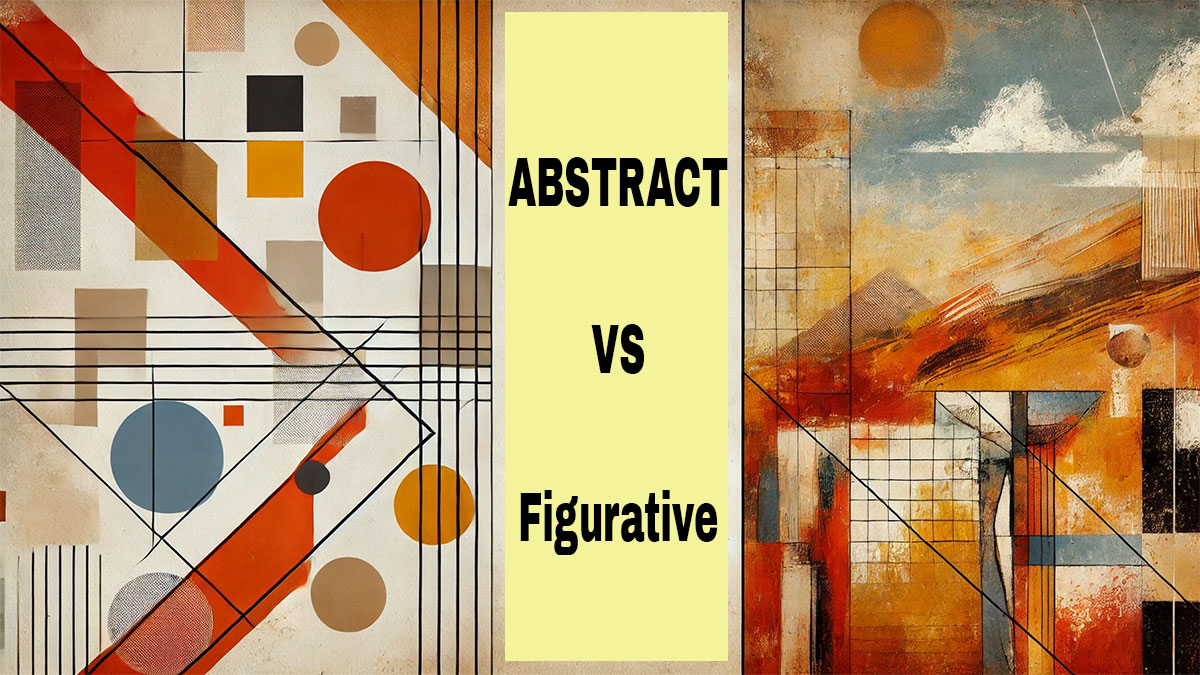
In the early stages, AI-generated images often appeared inconsistent or unrealistic. However, rapid advancements have significantly improved output quality. Today, AI can generate realistic photographs, stylized illustrations, abstract visuals, and concept-level designs suitable for professional use.
This shift has changed how creativity begins. Instead of facing a blank canvas, creators now start with an idea expressed in words. The AI produces a visual interpretation, which can then be refined or reimagined. As a result, creative workflows feel more approachable and less time-consuming.
Importantly, AI image generation does not eliminate human creativity. Designers still make key decisions related to composition, emotion, branding, and storytelling. AI simply reduces repetitive work and accelerates the ideation phase. This allows creatives to spend more time on strategy and refinement rather than technical execution.
Another significant impact is accessibility. Previously, producing high-quality visuals required years of training. Now, beginners can participate in visual content creation with minimal technical barriers. This democratization has expanded creative opportunities across industries and skill levels.
How Designers and Brands Are Using AI to Create AI Art
Designers using AI are no longer limited to experimental projects. AI-generated images are now integrated into everyday workflows across marketing, branding, education, and product development.
One of the most common applications is the creation of visual content for digital platforms. Brands need a constant stream of images for social media, websites, advertisements, and campaigns. Manually producing this volume of content can be slow and resource-intensive. AI tools help teams generate visuals more efficiently while maintaining consistency.
Content creators also rely on AI-generated images for blog graphics, thumbnails, and promotional materials. Instead of searching through generic stock libraries, they can generate visuals that align closely with their message and audience.
AI is also used in product visualization. Businesses can create AI art, realistic previews of packaging, consumer goods, or interiors before production begins. This helps reduce costs and supports faster decision-making. In addition, designers often use AI-generated concepts as inspiration when exploring new ideas or overcoming creative blocks.
Midway through these workflows, some creators experiment with platforms such as Woopicx, which combine AI-generated visuals with editable assets. This type of approach reflects a broader trend toward tools that support both generation and customization within a single environment.
Overall, AI-generated images have become a practical resource rather than a novelty, supporting both speed and creative exploration.
Key Features Creators Look for in an AI Image Generator
Choosing the right AI image generator is crucial for determining output quality and workflow efficiency. While many tools exist, creators tend to evaluate them based on several core factors.
Ease of Use and Creative Control
Ease of use is essential, particularly for beginners or non-designers. An intuitive interface allows users to focus on ideas rather than technical complexity. At the same time, creative control remains essential. Users need the ability to refine outputs, adjust styles, and guide results rather than accept generic visuals. A balanced tool allows creators to experiment freely while maintaining direction over the outcome.
Output Quality and Consistency
High-quality visuals are critical for professional use. AI-generated images should align with modern design standards and avoid noticeable artifacts or inconsistencies. Consistency is essential for brands that produce content regularly. Visual coherence helps establish trust and recognition across platforms.
Tools that support consistent styles and repeatable results integrate more effectively into long-term creative workflows.
Licensing and Commercial Use
Licensing is often overlooked but plays a significant role in AI art creation. Creators need clarity on whether AI-generated images can be used commercially. Clear, flexible licensing terms help individuals and businesses use visuals confidently without legal concerns.
Platforms that provide transparent commercial-use rights are better suited for professional applications.
AI Image Generators Design Tools and the Future of Creative Workflows
AI design tools are reshaping how creative projects move from concept to completion. Traditionally, workflows involved multiple stages, including brainstorming, sketching, design execution, and revisions. This process often took days or weeks.
With AI, many of these stages happen more quickly. Ideas can be visualized almost instantly. Designers can explore multiple concepts in minutes rather than committing to a single direction early on. This encourages experimentation and reduces creative risk.
AI tools also enhance collaboration. Visual concepts can be shared earlier in the process, making feedback more transparent and more actionable. Stakeholders can respond to visuals rather than abstract ideas, which speeds up decision-making.
Despite these changes, human judgment remains central. AI supports execution, but designers still define goals, evaluate results, and ensure emotional and strategic alignment. In this sense, AI functions as an assistant rather than a replacement.
Looking ahead, AI design tools are expected to integrate more deeply with existing software and platforms. As integration improves, creative workflows will become even more seamless and adaptive.
Choosing the Right Platform for AI Art Creation
Selecting the right platform for AI art creation depends on individual needs and goals. Not every tool fits every creator. Some platforms prioritize speed, while others focus on experimentation or automation.
When evaluating options, creators should consider usability, output quality, licensing, and long-term value. Tools that evolve regularly and adapt to user feedback provide greater returns over time.
Consistency is another crucial factor. Regular content production benefits from tools that support cohesive visual styles. This is especially relevant for brands building a recognizable identity.
Ultimately, the right platform should simplify the modern design process rather than complicate it. When AI tools align with creative intent, they enhance productivity without limiting originality.
Conclusion: The Growing Role of AI in Digital Creativity
AI image generation has become a defining element of modern digital creativity. It has reduced technical barriers, accelerated creative workflows, and expanded access to visual expression. Designers, brands, and individuals can now turn ideas into visuals faster than ever before.
However, the effectiveness of AI-generated images depends on thoughtful use and the right tools, such as Woopicx. Platforms that balance innovation with quality, control, and clarity support more meaningful creative outcomes.
As AI image generators design tools continue to evolve, they will play an increasingly central role in visual content creation. Creators who adapt to this shift while maintaining creative judgment will shape the future of digital creativity.