We have assembled a collection of easy drawing ideas for you to try, whether you are an expert sketcher looking for new challenges or a total novice. Our tutorial simplifies complex topics like people and animals into simple stages. We’ll go over some practice sketches to help you become a better artist, some strategies to keep yourself motivated, and thirty new ideas to think about the next time you can’t think of anything to draw.
Doodling is a terrific pastime and stress reliever. Practicing mindfulness can help you be more present in the moment, which in turn boosts your mood, creativity, and resilience. With consistent practice, you’ll hone your drawing skills and unlock new techniques. Choose subjects that are easier to draw; this will help you feel more confident and improve your abilities whether you’re a total novice or a seasoned master. If you’re just starting out as an artist, here are some basic concepts to work with.
Acquiring Knowledge of the Fundamental Shapes
One way to draw is to simplify complex objects into their most basic outlines; this forces you to stop seeing what you know and start seeing what’s really there. Making simple drawing Shapes Visible. It appears to be somewhat chaotic to the uninitiated, doesn’t it? That’s why, in order to make sense, we need to seek out forms that are simpler. The simplest approach is to visualize and write down basic shapes like rectangles, ovals, triangles, etc.
Picture yourself in the middle of a bustling city. A jumble of chimneys, windows, and pitched roofs adorns a wide variety of buildings, some larger than others. You focus on the big pictures rather than the finer points. Drawing a block with multiple buildings rather than a single person makes far more sense. We dissect each shape into its component pieces and then divide it again. That’s the way you sketch.
Tools of Essential Importance for Beginners in Art
When you’re just beginning, it’s best to keep it simple with creative tools for generating easy drawing ideas. Conversely, every artist should have a few essential items in their toolkit.
Sharp Pencils
A graphite pencil is a reliable choice for beginners or for those who like to take a cautious approach. In addition to its flexibility, this tool’s ability to easily eliminate mistakes is a significant advantage.
Creative Instruments
For some artists, using pens for inking or sketching is a favored way to complete their pencil drawings. Each type of linework, whether it’s sketching, cartooning, drafting, or calligraphy, comes with its own unique pen designed for that purpose.
Colored Pencils
If you’re looking for a quieter way to express yourself in your drawings, colored pencils can be a fantastic option.
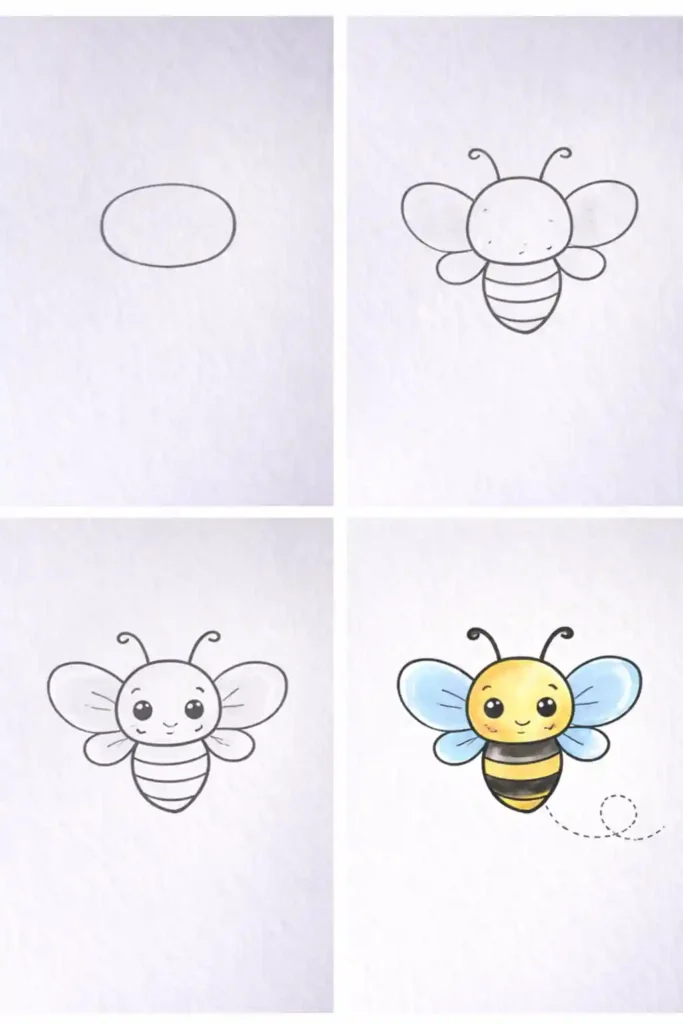
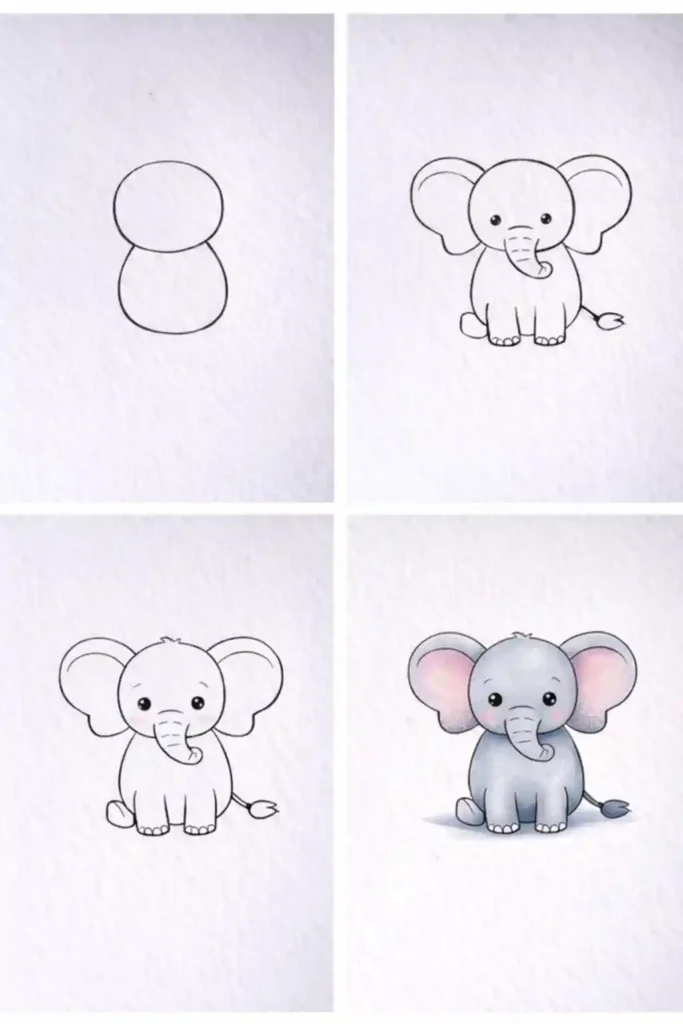
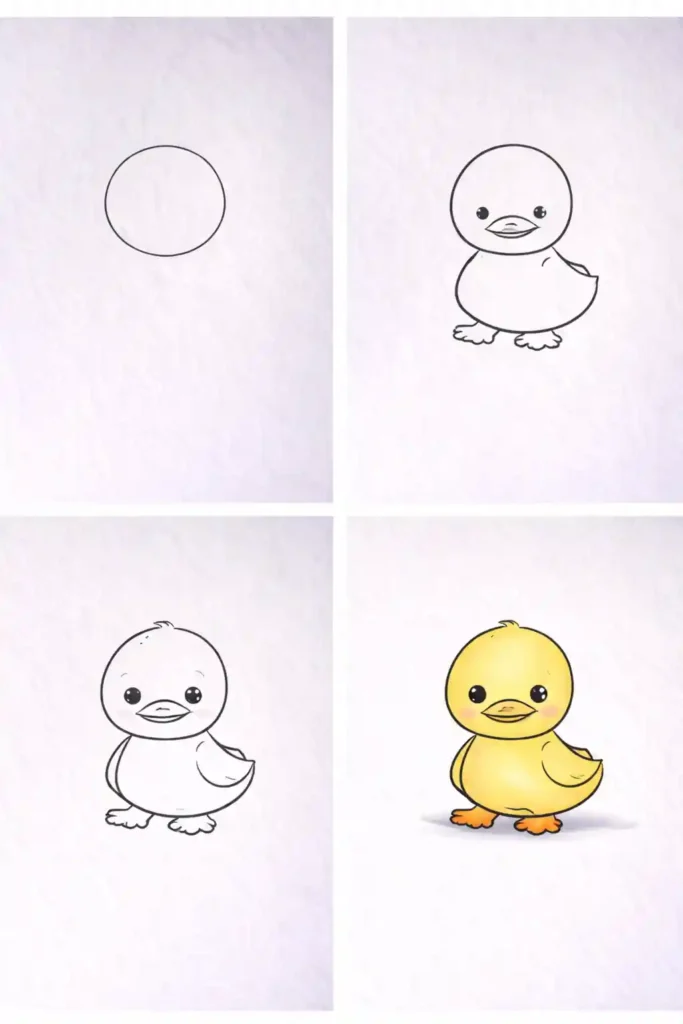
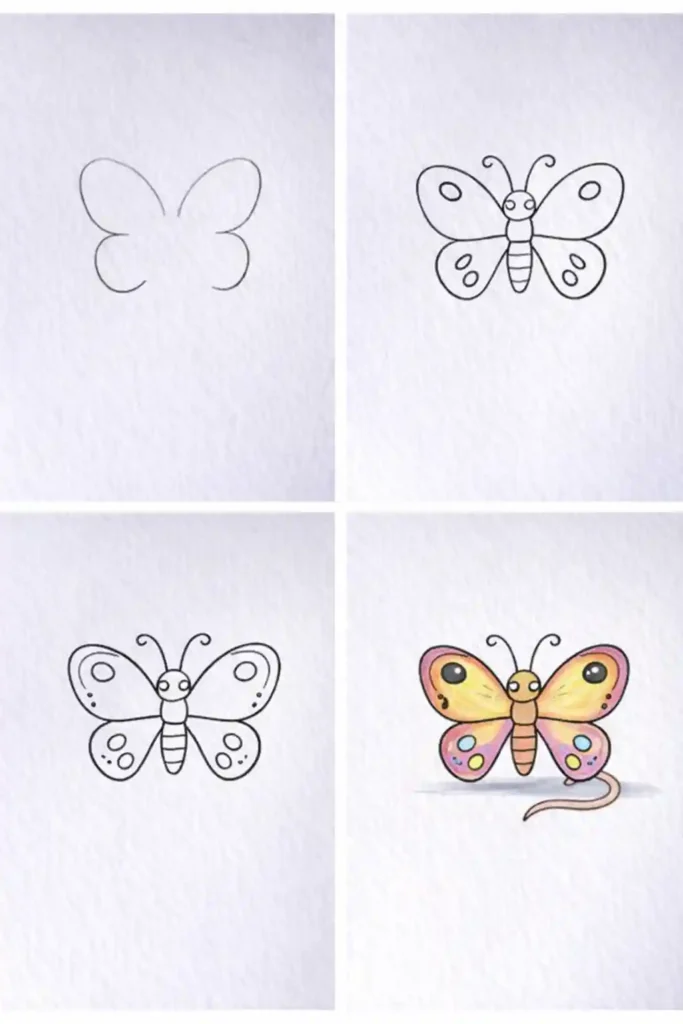
The Importance of Capturing Simple Shapes
When starting to draw, it’s important to start with basic forms. If you don’t train yourself to perceive things in a different light, documenting the complexity of your environment will be a daunting task.
- Identifying the big forms is the first step; then, breaking them down into smaller ones; and so on. Finalize the details last.
- The first step in creating a balanced and proportional sketch is to reposition and resize the larger forms near the top of the page.
- What happens next in the final product is dependent on these first lines. Investing effort into achieving proper proportions at the outset will yield dividends when it comes time to add detail to a solid base.
- Fixing proportions and alignments after you’ve already made significant progress on a drawing is a confidence-killer, a time-waster, and an annoyance.
How to Draw Step by Step easy drawing: A Simple Guide for Beginners
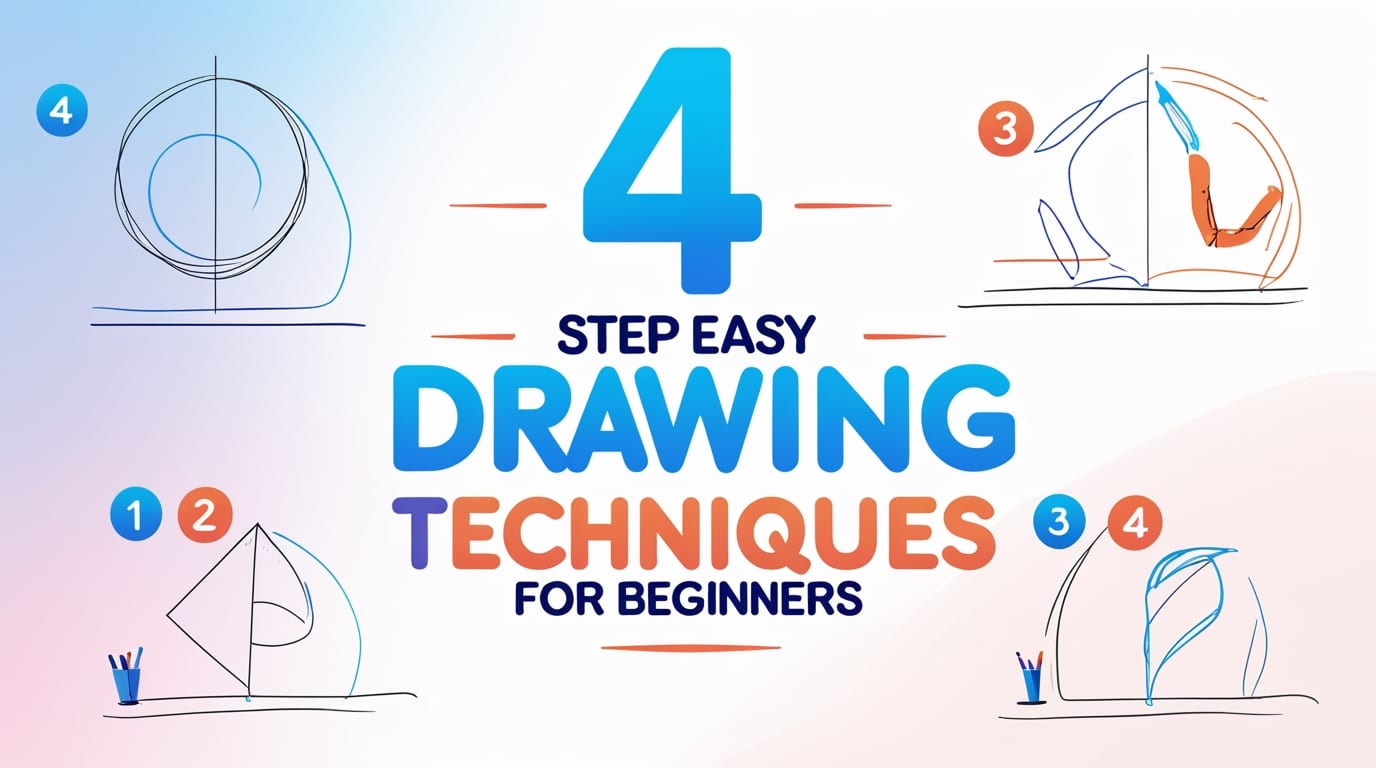
Step one: warm up and work on your hand-eye coordination.
Warming up is an excellent technique to loosen your sketching muscles and bring your ideas to the page; it’s also a good idea to become familiar with your equipment. You can discover your pen’s full potential by experimenting with various mark-making approaches.
So, take a pencil or pen and jot down some notes. There is a wide range of possible line styles. Just play around with your drawing tool and see what happens. You may make scribbles, doodles, dots, stipples, hatching, and zigzag lines. One other thing to try is playing around with different pressures. Enjoy yourself; if you let yourself get bored or frustrated during practice, you will eventually give up. Take your pencil and draw some straight, curved, long, and short lines. This is a warm-up, so don’t worry about performing it perfectly.
Try drawing circles, ellipses, and lying eights. Change pen size and pressure. Check what happens when you sketch with your complete arm—locking the elbow and wrist and moving from the shoulder.
Step 2: Begin with simple shapes and thin lines
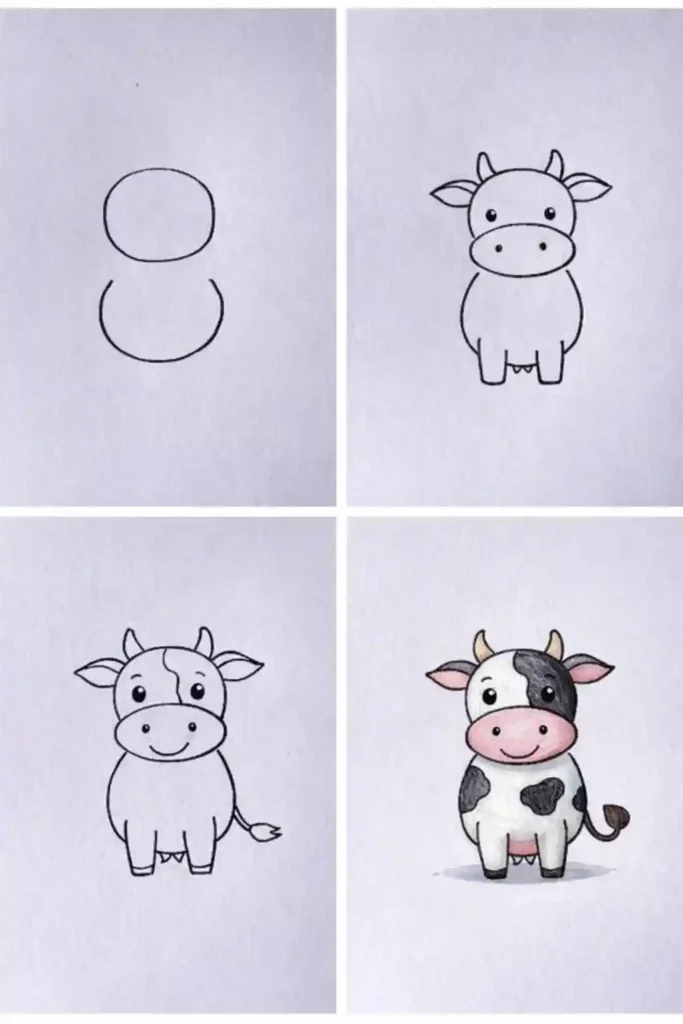
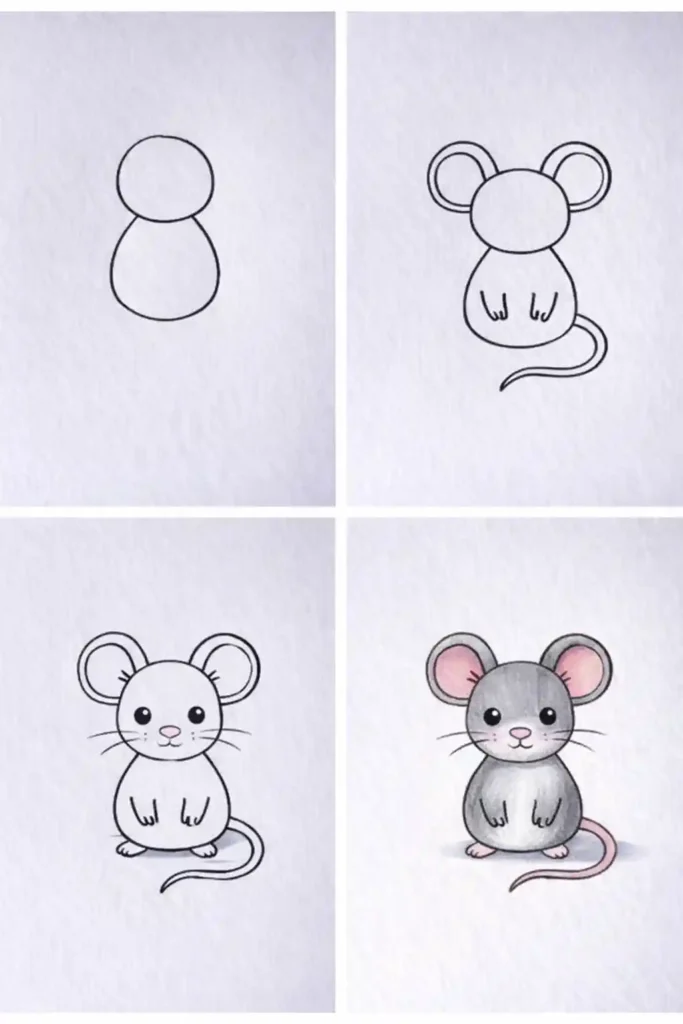
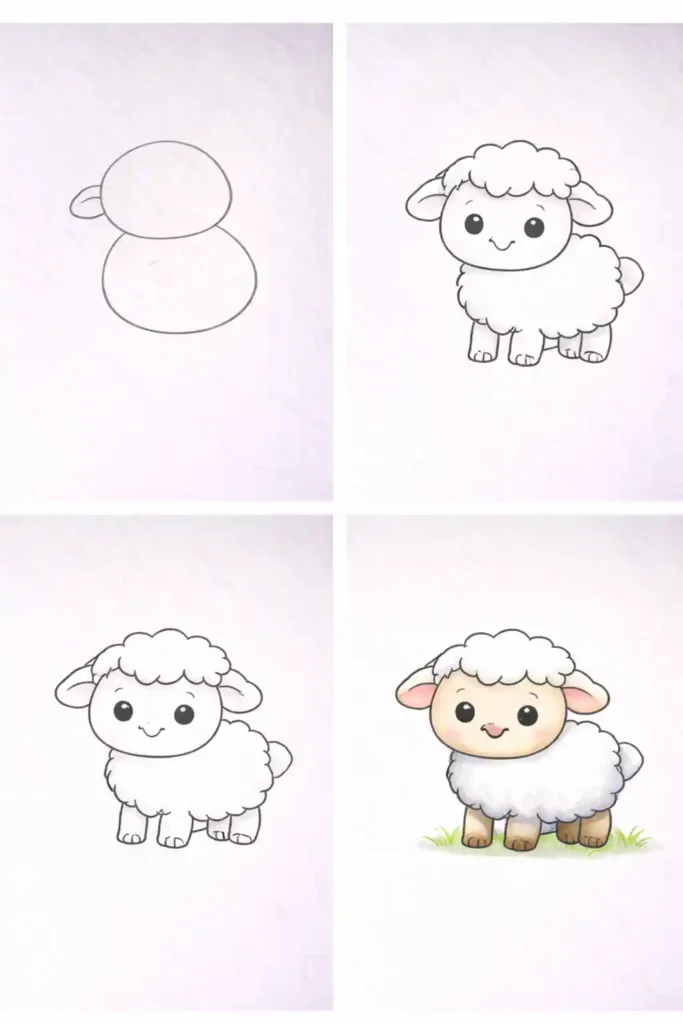
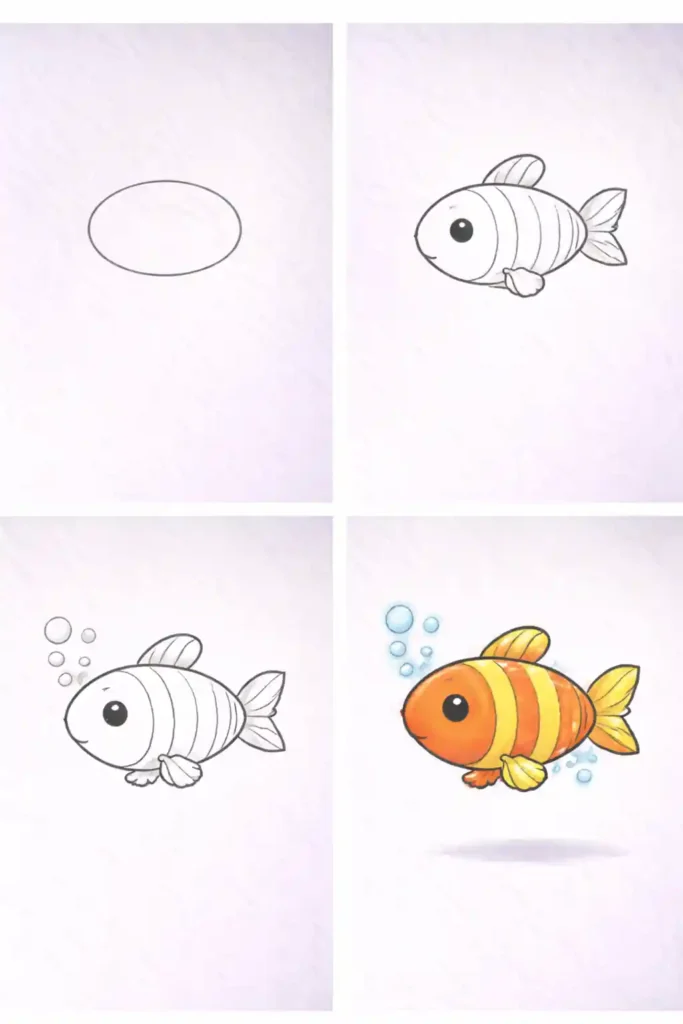
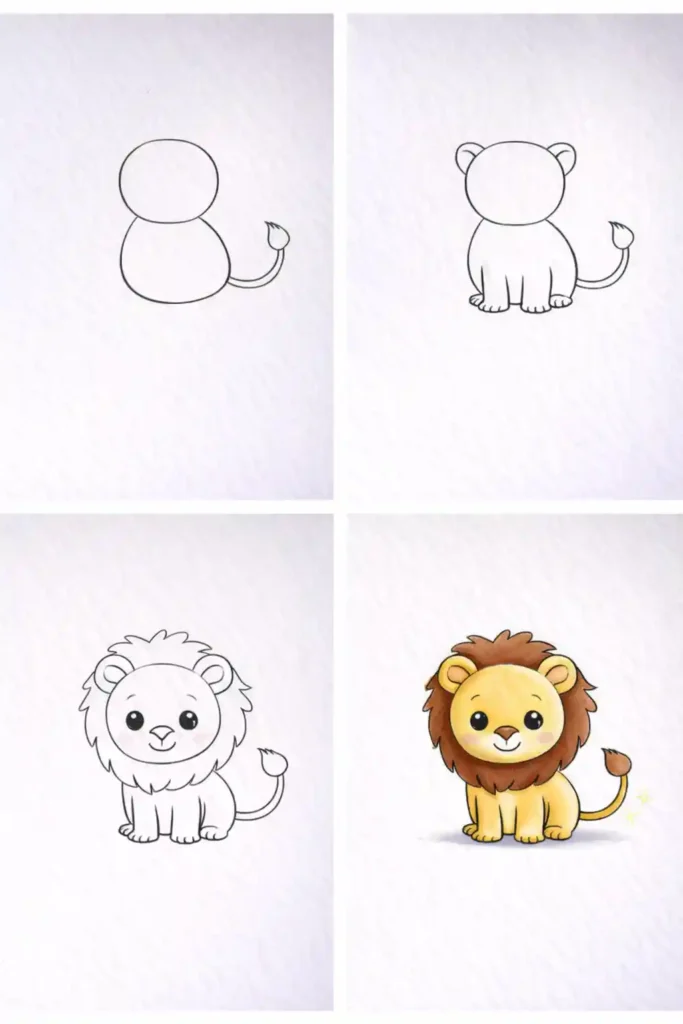
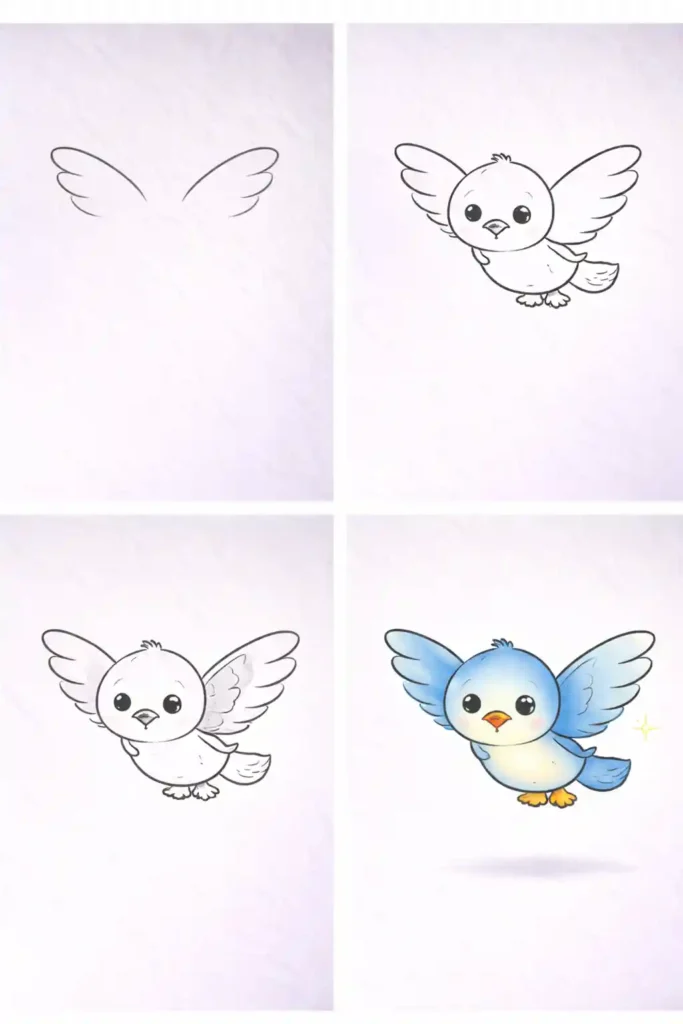
Now that we’ve warmed up, let’s get down to business and draw. First, we’ll take a look at the fundamentals of drawing. Everything you want to draw may be simplified into simple shapes. Circles, rectangles, and triangles are the most fundamental geometric forms. We have previously worked with circles. We have high confidence in your ability to draw these simple forms, and once you master them, the sky’s the limit.
When you observe an object in the real world, all you have to do is visualize it in smaller, more manageable forms and then transfer those forms to paper. For example, you may see a rose, a home, or a bird and determine their most fundamental forms. Instead of trying to grasp a complicated flower in a flash, it’s far simpler to sketch a circle with a line drawn to it and then refine it.
Step 3: Make adjustments, double-check your drawing’s
Creating a strong outline is the second step after sketching to improve your work. Once again, paying attention to what you draw is far more crucial than actually drawing the line. Drawing isn’t just about making lines; it’s also about seeing and learning to see.
Review all of the angles and edges in relation to your subject using your gesture drawing as a starting point. Determine what needs adjusting. Take note of the subject’s contours, angles, and shapes. Keep in mind the dimensions you’ve already investigated as you travel around the contour. Do they match the way you’ve sketched them? If you haven’t already, go ahead and fix it. Be very careful to watch where you lay your lines. Take careful note of your subject’s features before placing your line. Sketch the actual scene, not your interpretation of it.
Step 4: Continue to practice and grow from your errors.
Essentially, this is the drawing easy process:
- Identify the correct proportions, begin with simple shapes, and use light lines.
- Clean up lines, double-check angles, and establish solid borders
- Incorporate shading, highlights, and texturing
There you have it, just a few easy steps. Putting in a lot of time practicing these abilities is the key to being successful at drawing. You should practice this procedure until it becomes automatic for you. So, make it a habit by practicing often and writing it down so you don’t lose track of it.
Conclusion
In conclusion, what you have learnt about cute easy drawing is that it is fundamentally about understanding light and shade, simplifying complicated topics into basic shapes, and reducing them to size. Learning to draw is like learning any other ability; it’s an art form. While it’s true that some people are naturally brilliant artists, anybody can learn the skills necessary to become a master. To become an expert in the visual arts, it is an essential talent to have.