About Indranil Banerjee
Indranil Banerjee is an artist, technologist, and creative thinker whose work bridges visual art, digital systems, and human perception. His practice spans abstract painting, concept-driven installations, and technology-enabled storytelling, shaped by a consistent focus on identity, process, and meaning.
The work of Indranil Banerjee does not sit inside a single discipline. It moves between art and technology, intuition and structure, observation and interpretation. Across mediums, his approach remains rooted in one idea: creation begins when thought becomes conscious.
Indranil Banerjee: Artistic and Conceptual Foundation
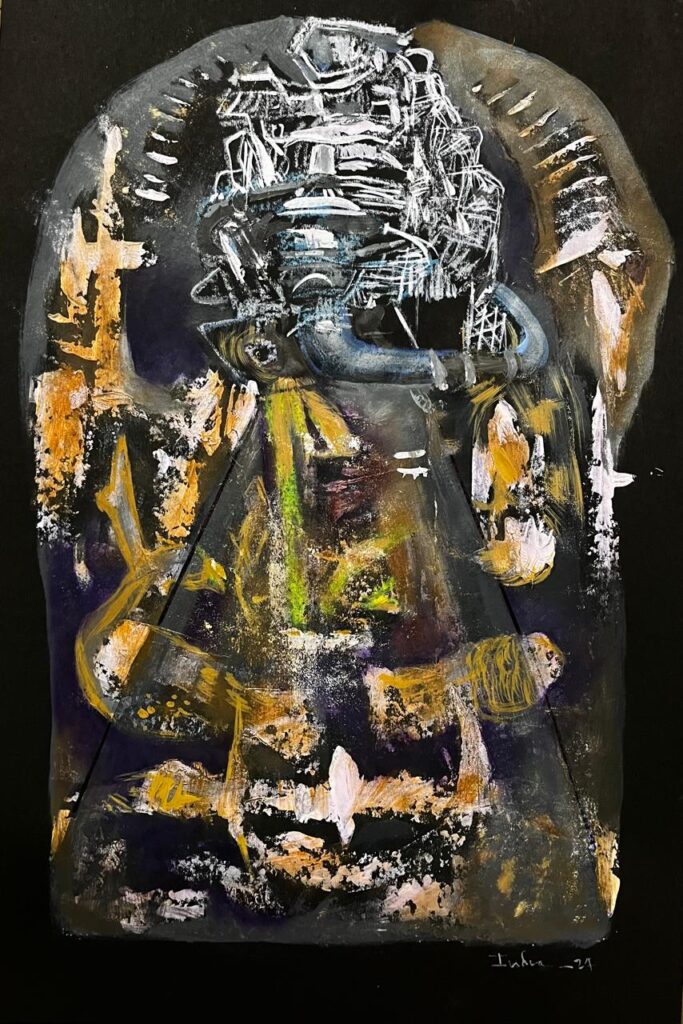
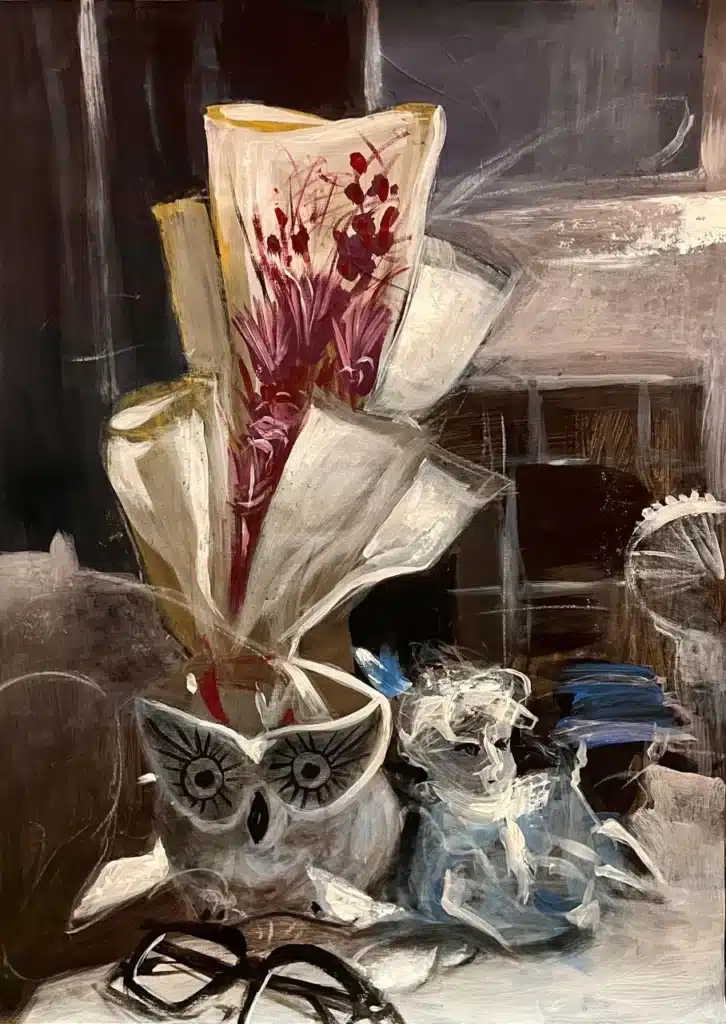
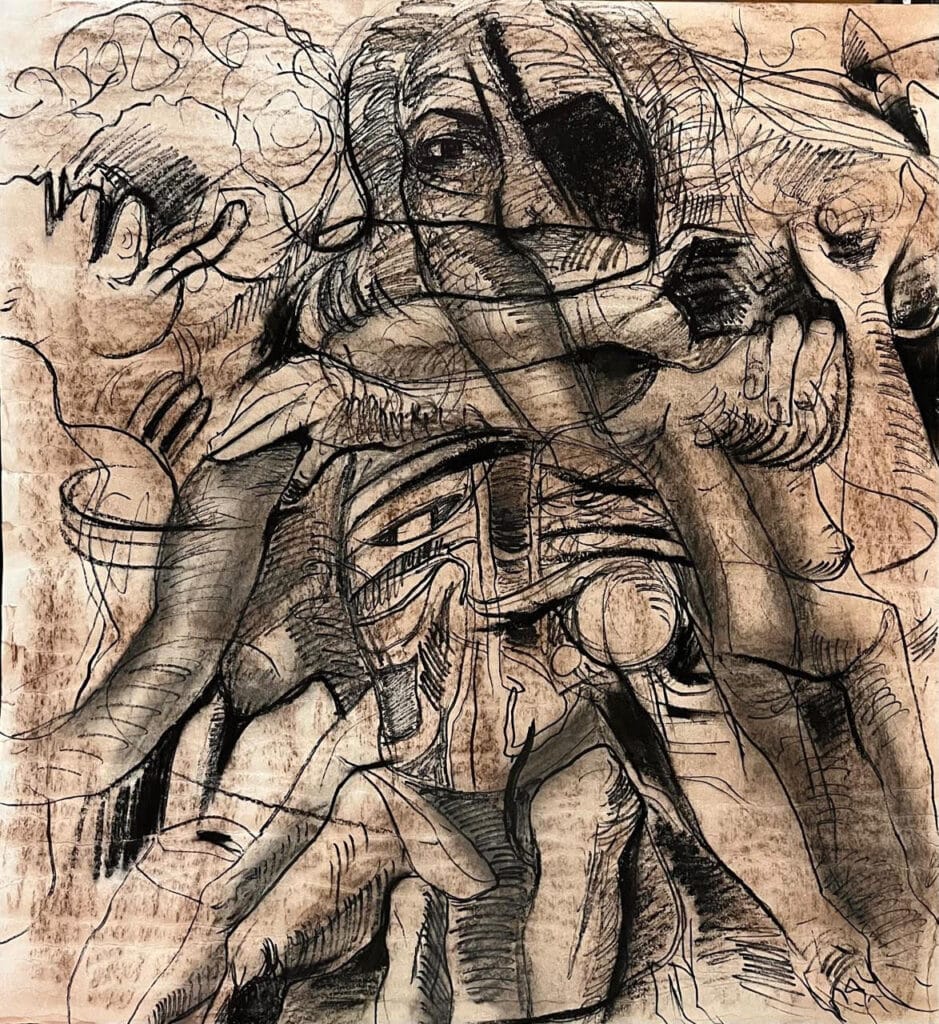
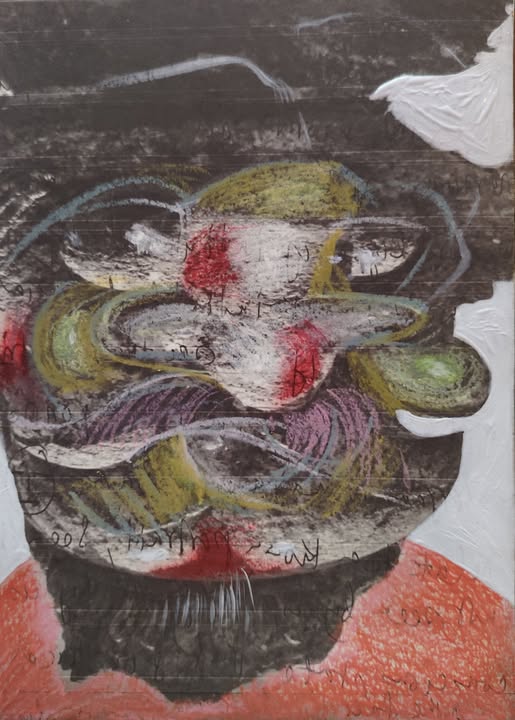
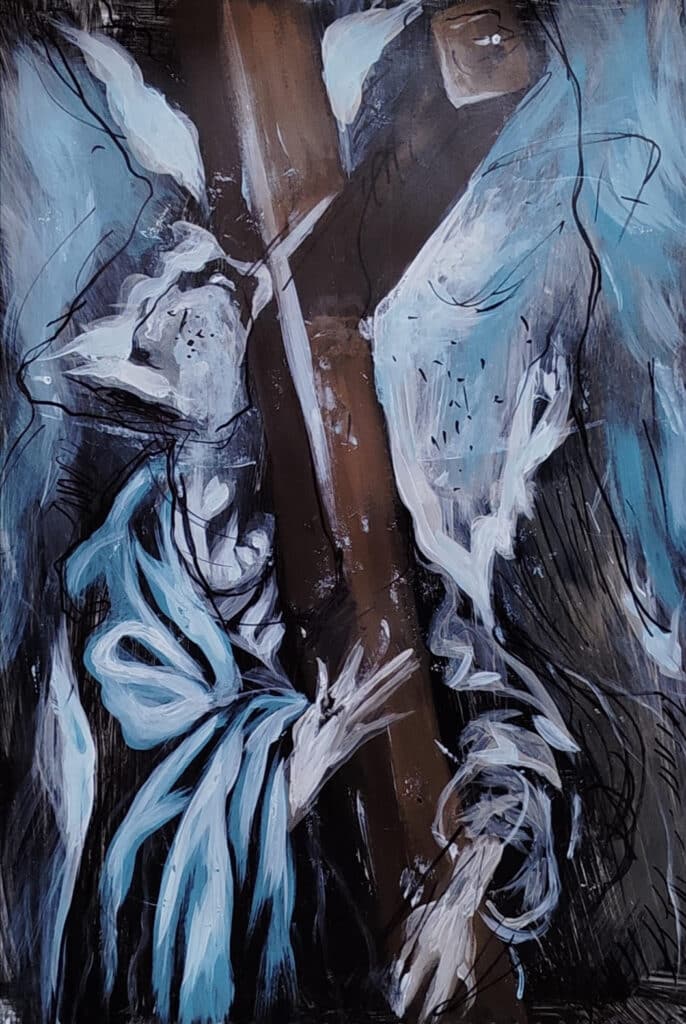
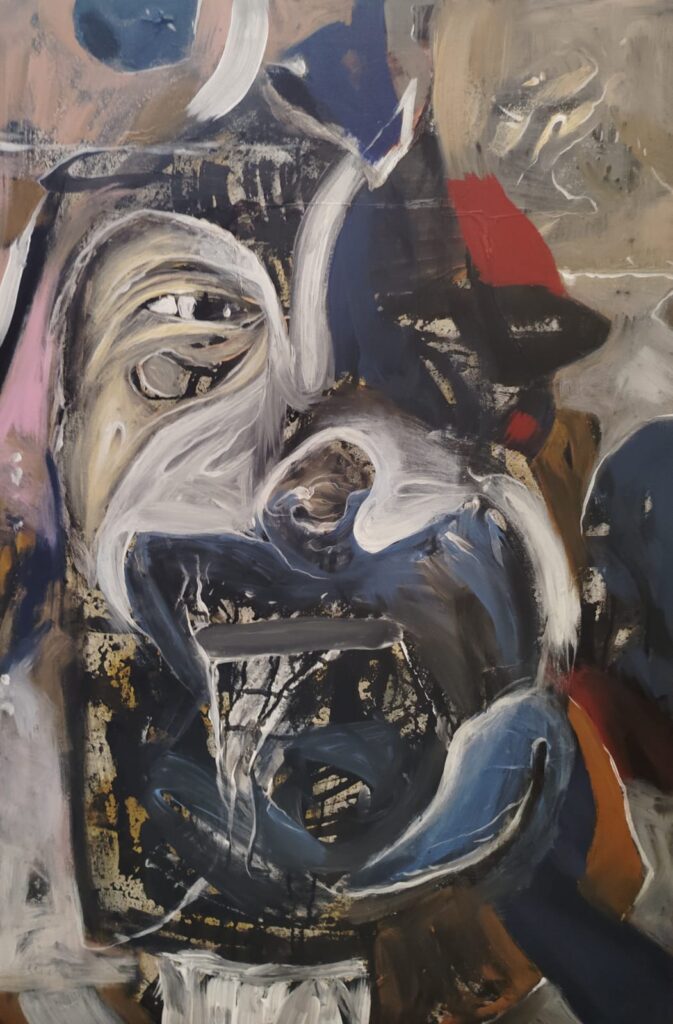
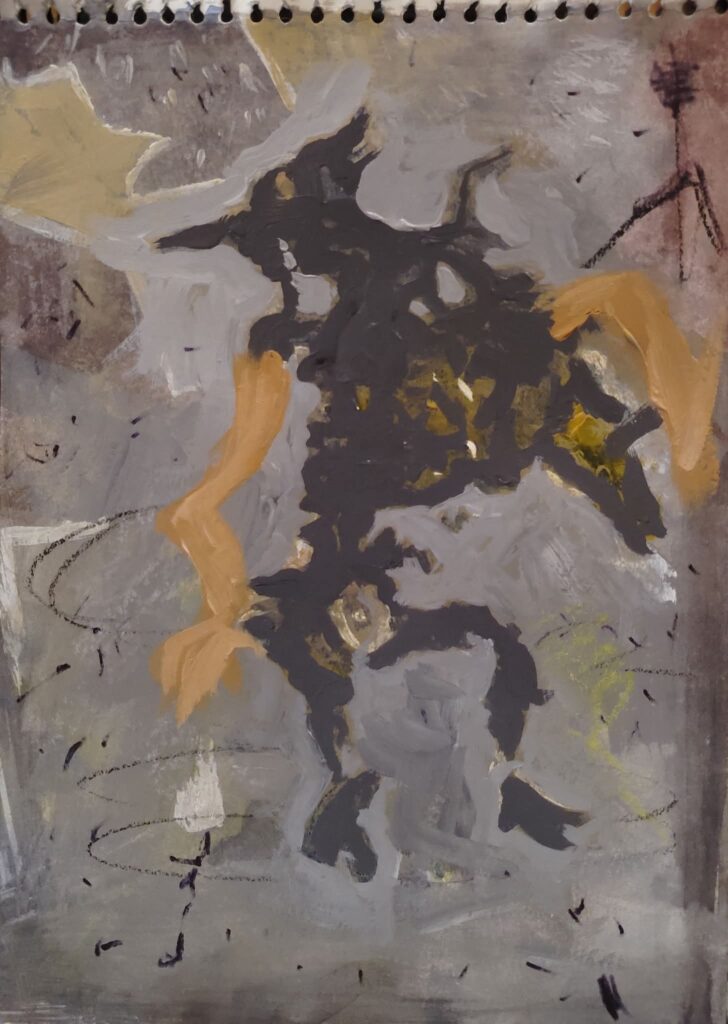
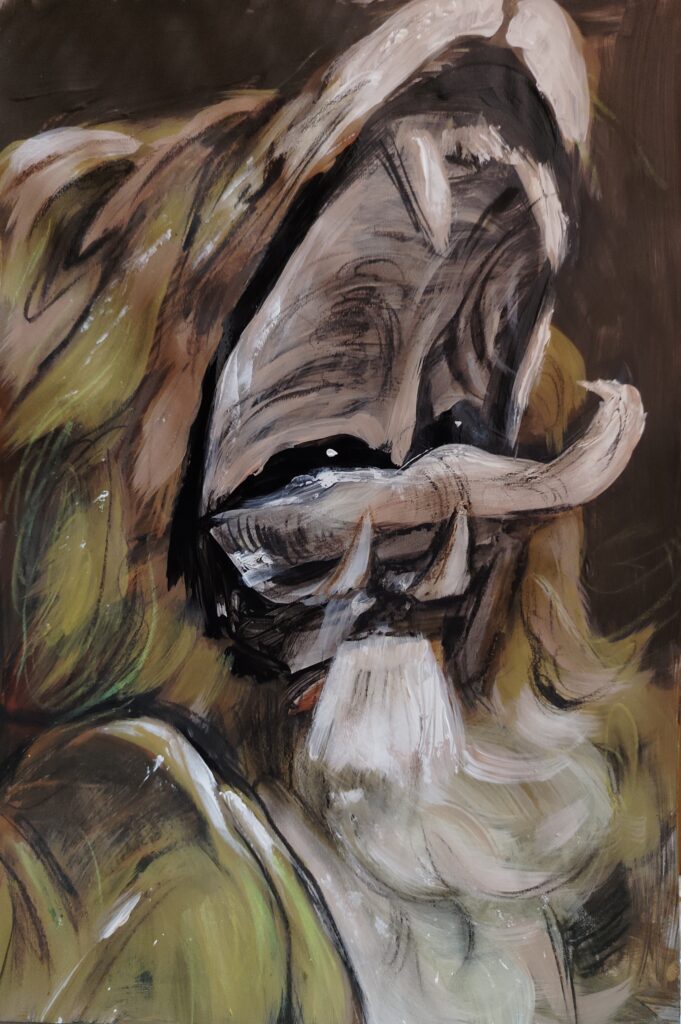
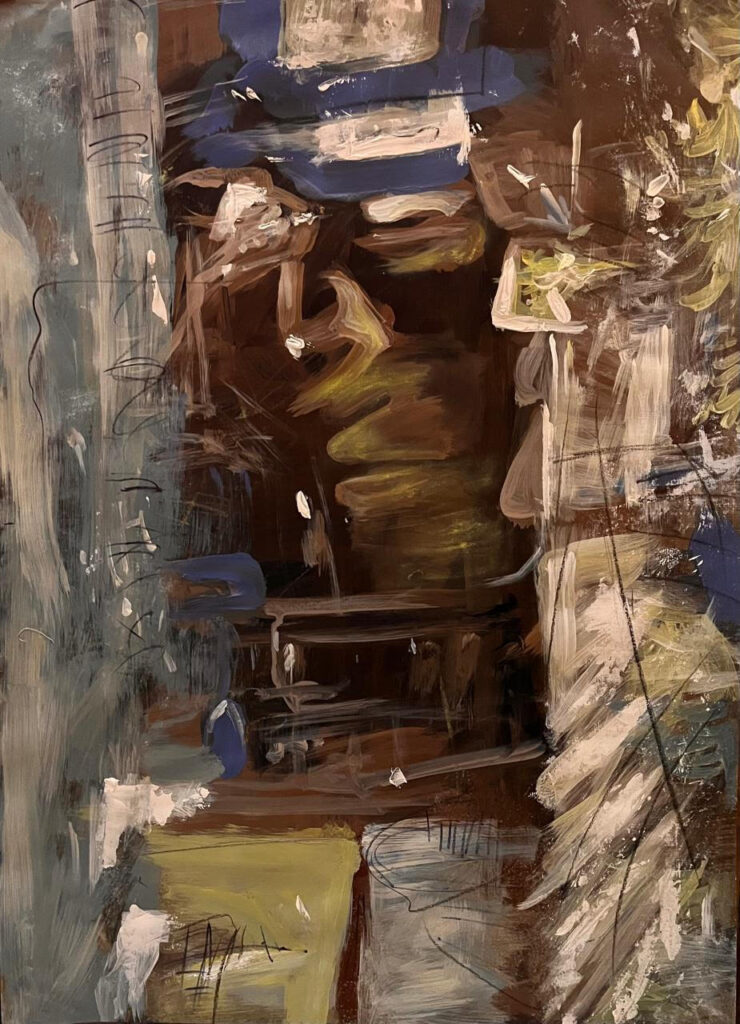
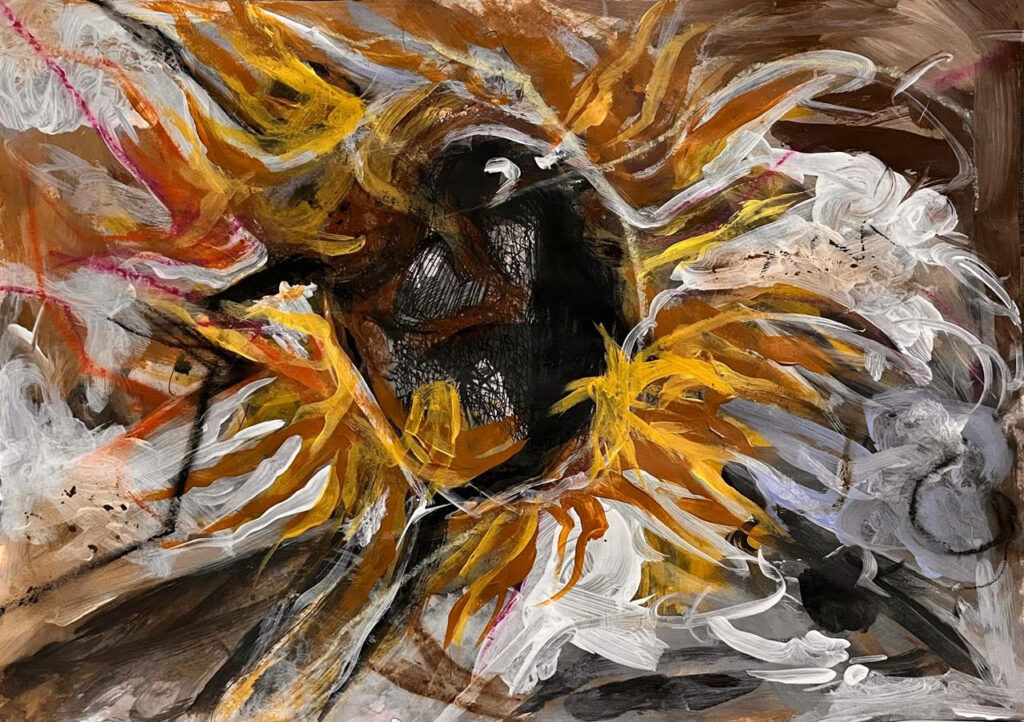
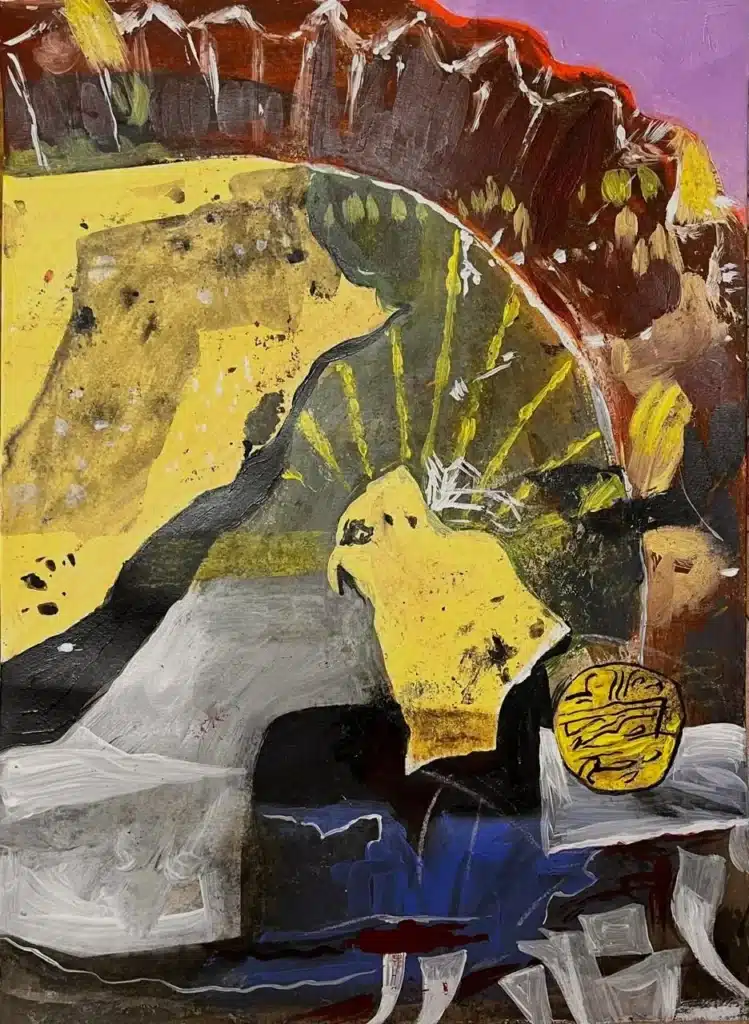
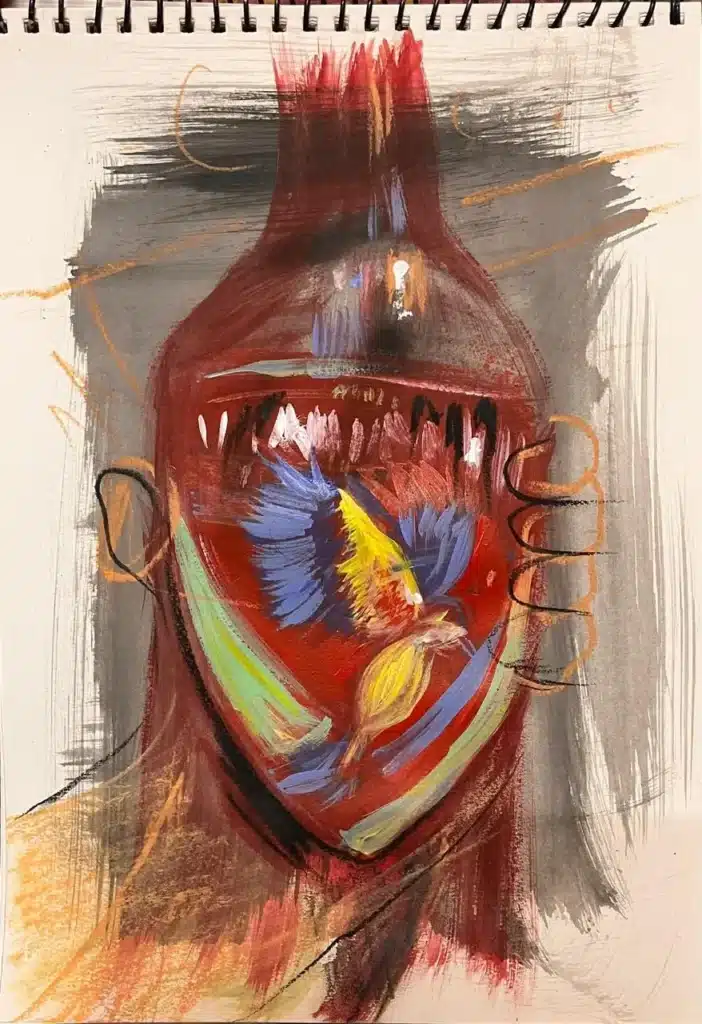
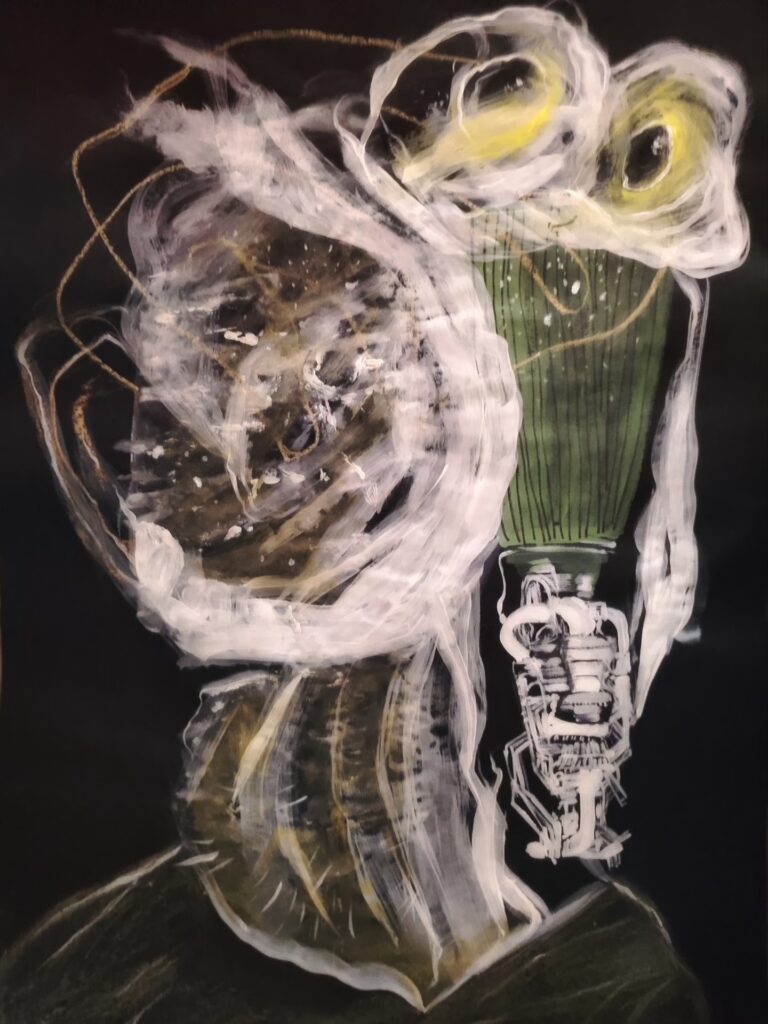
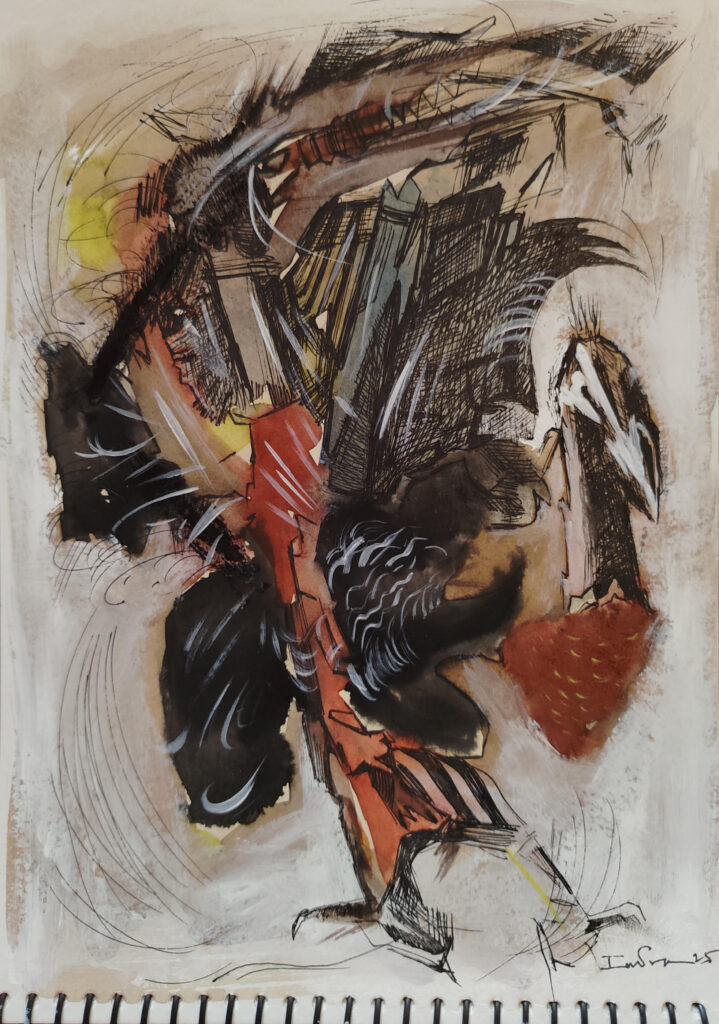
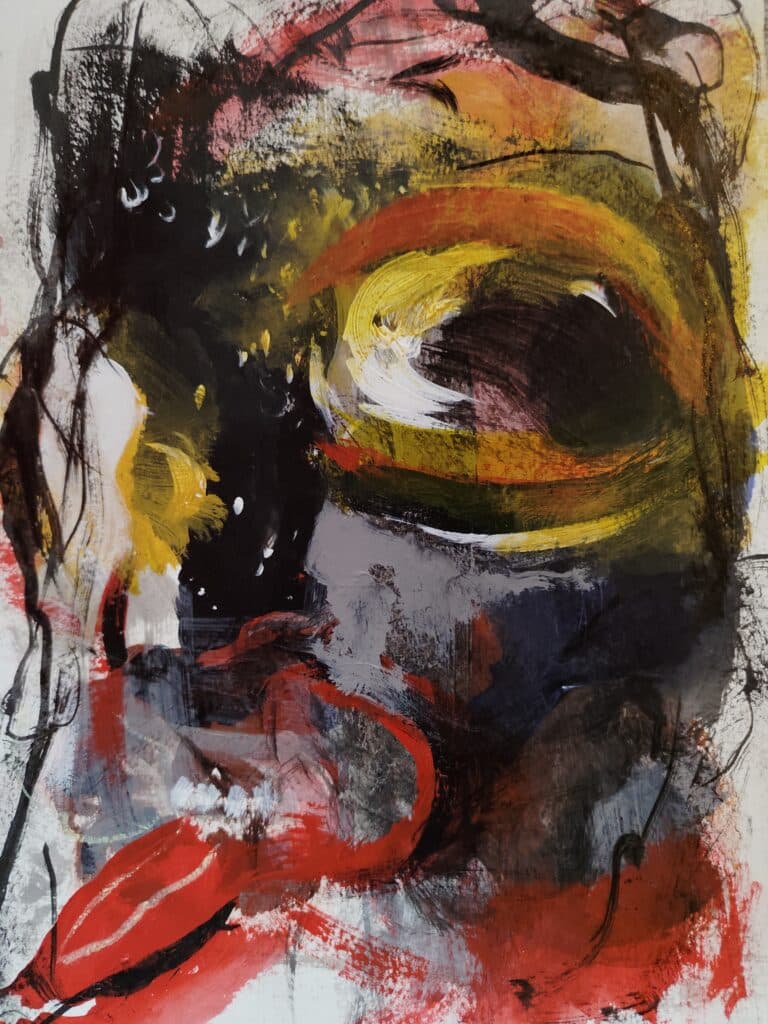
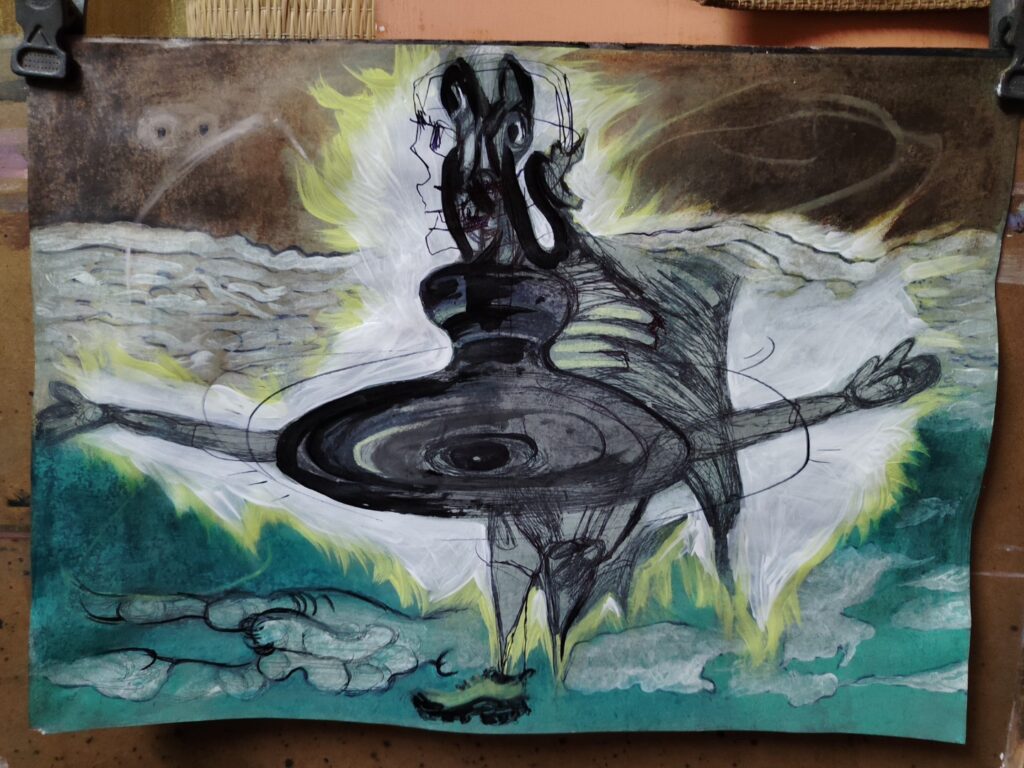
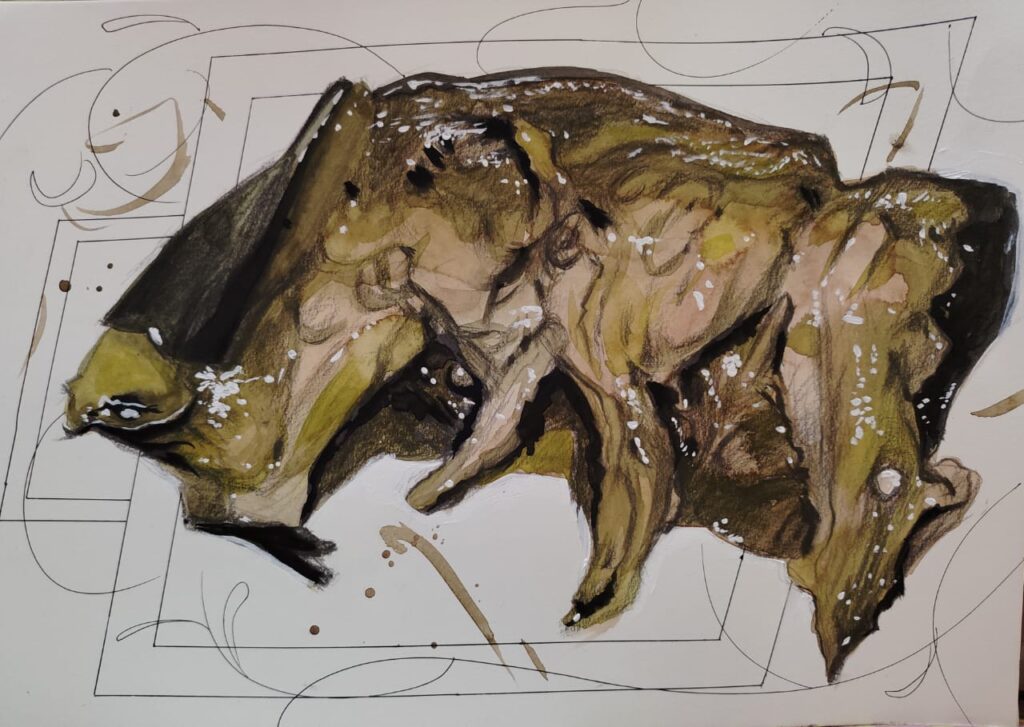
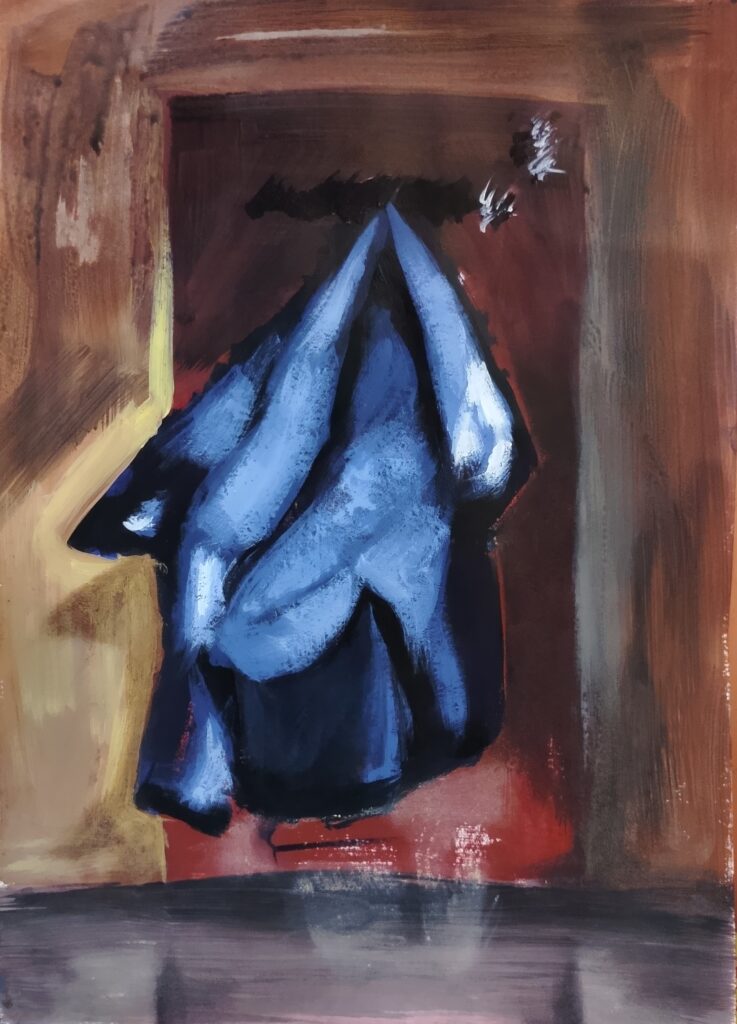
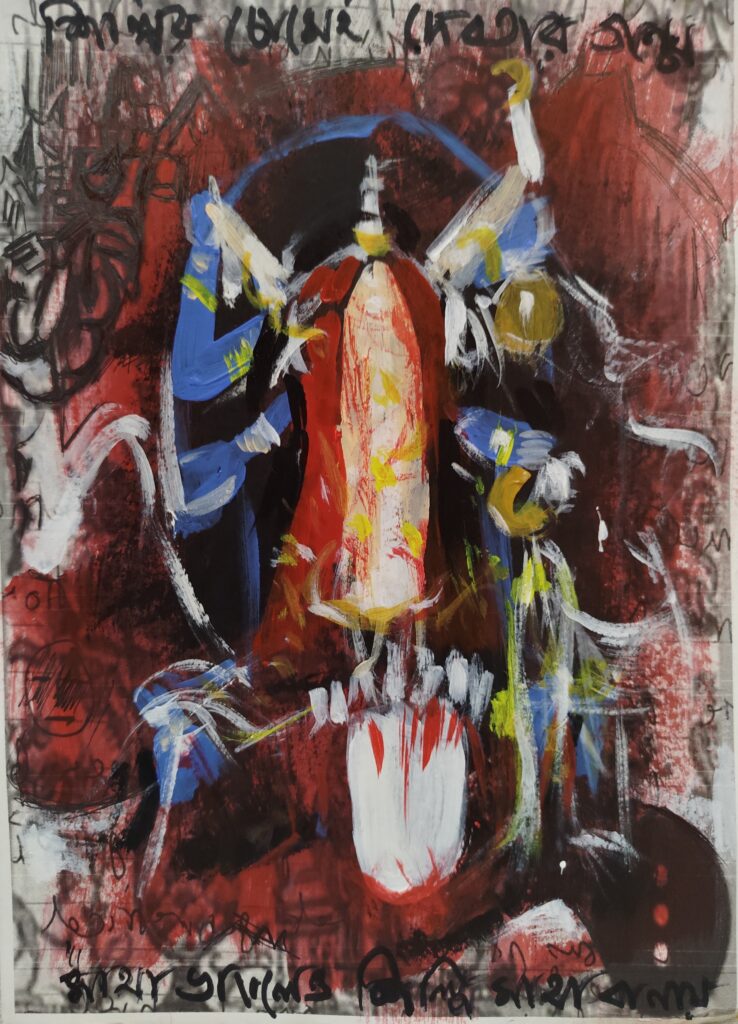
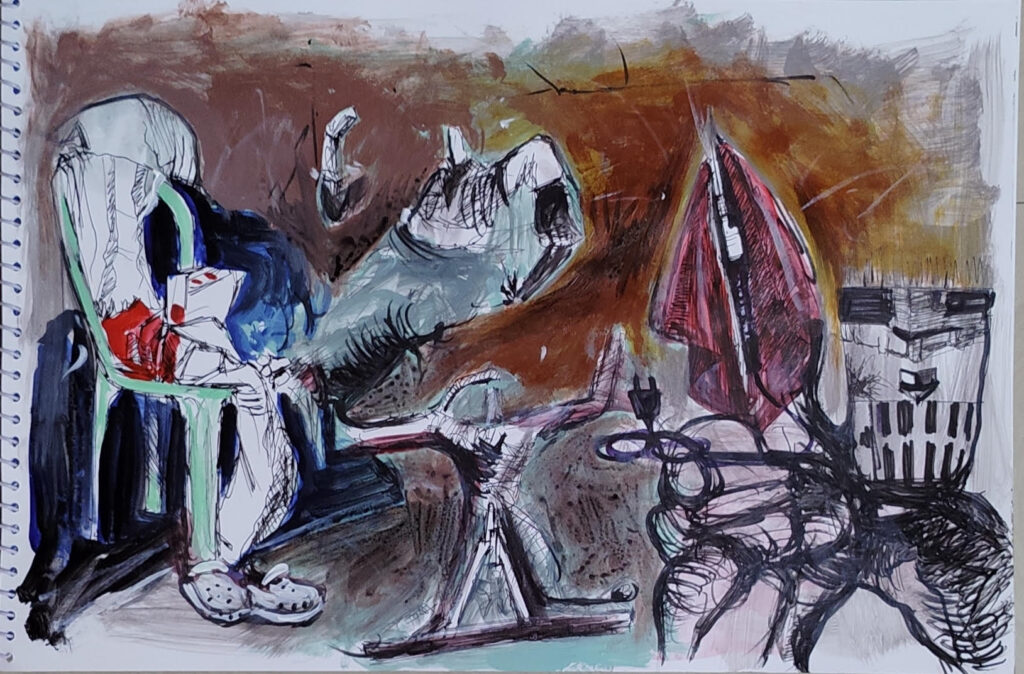
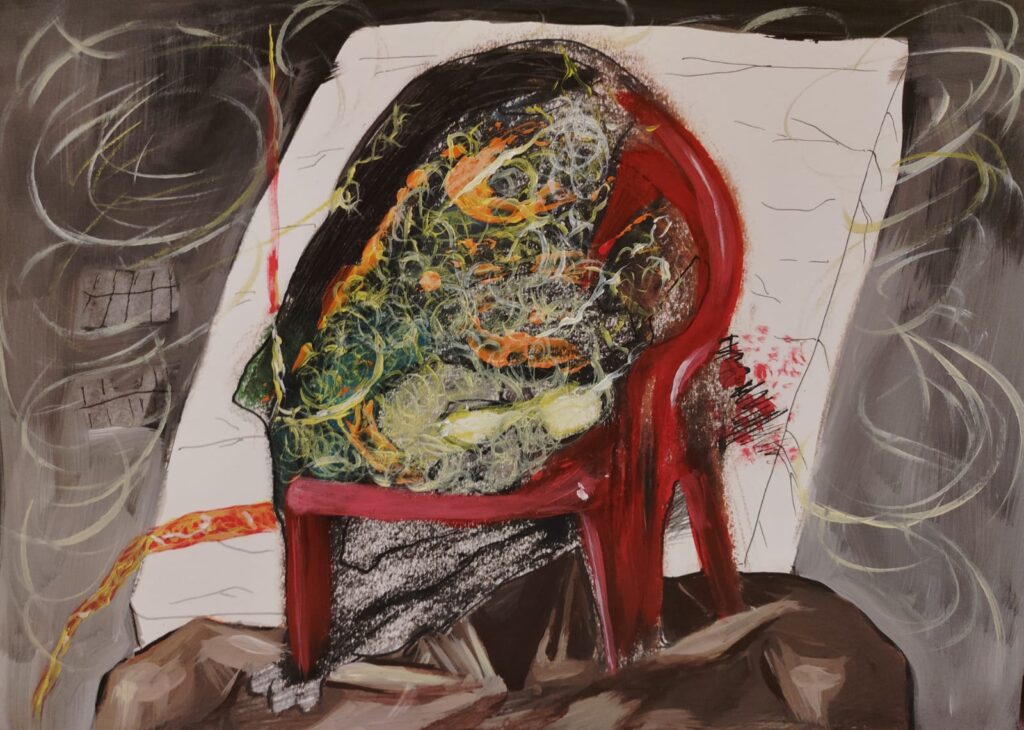
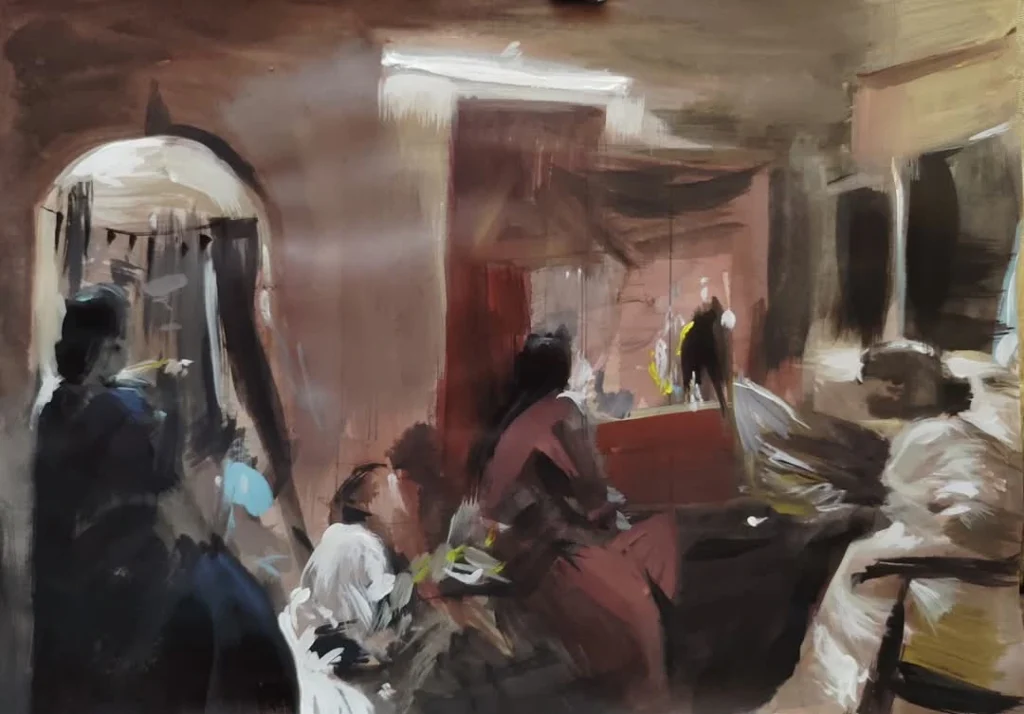
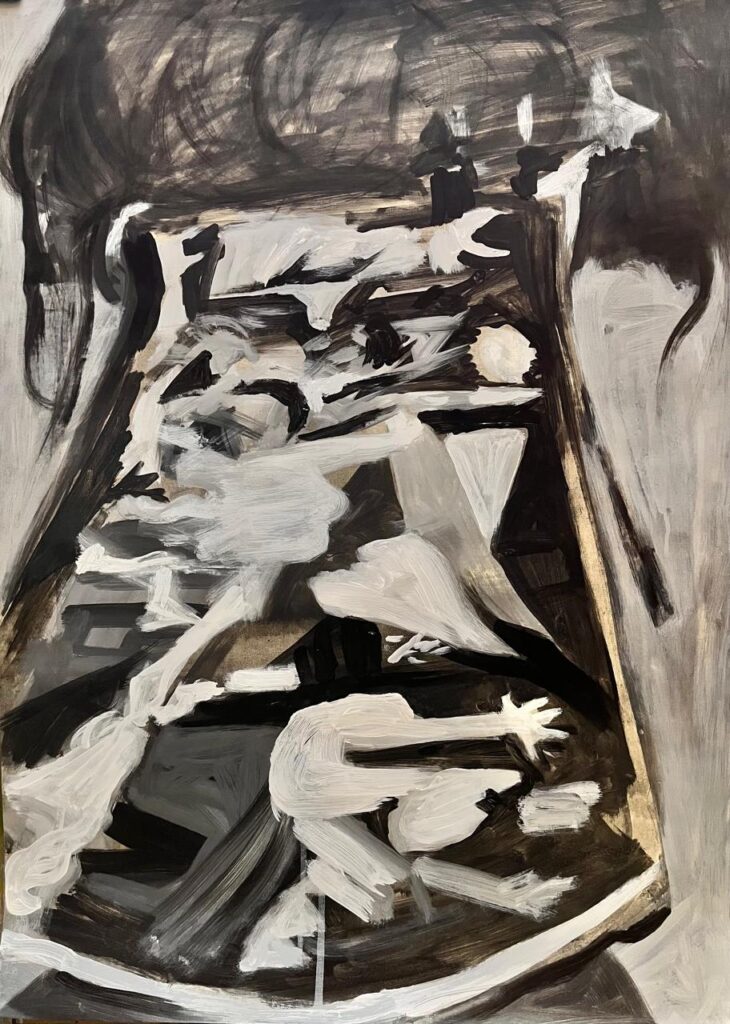
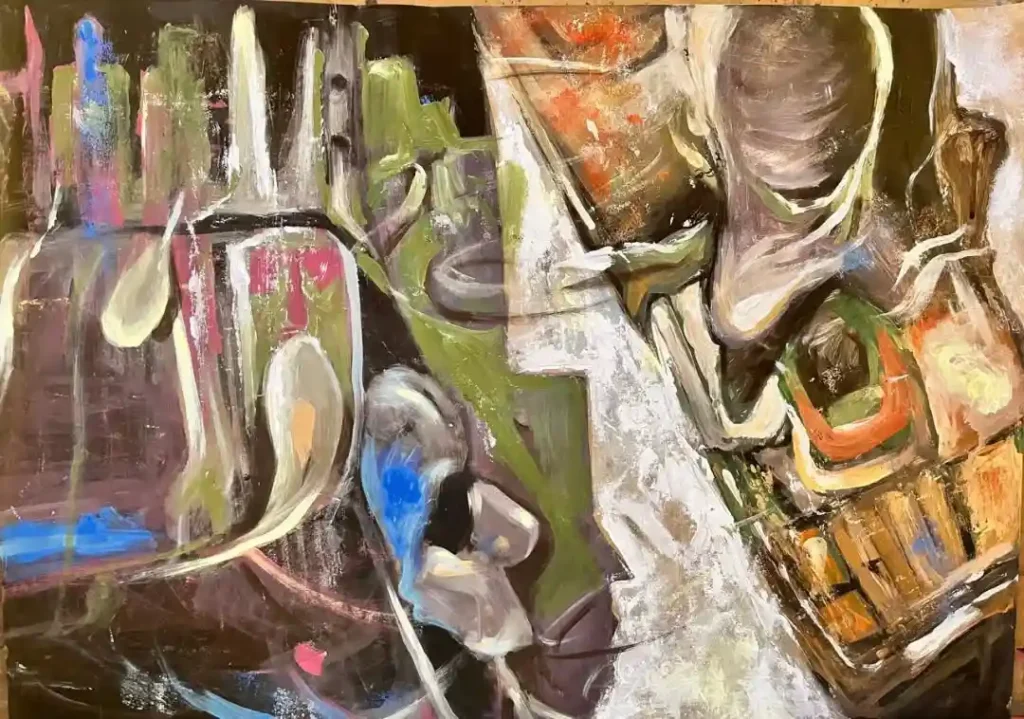
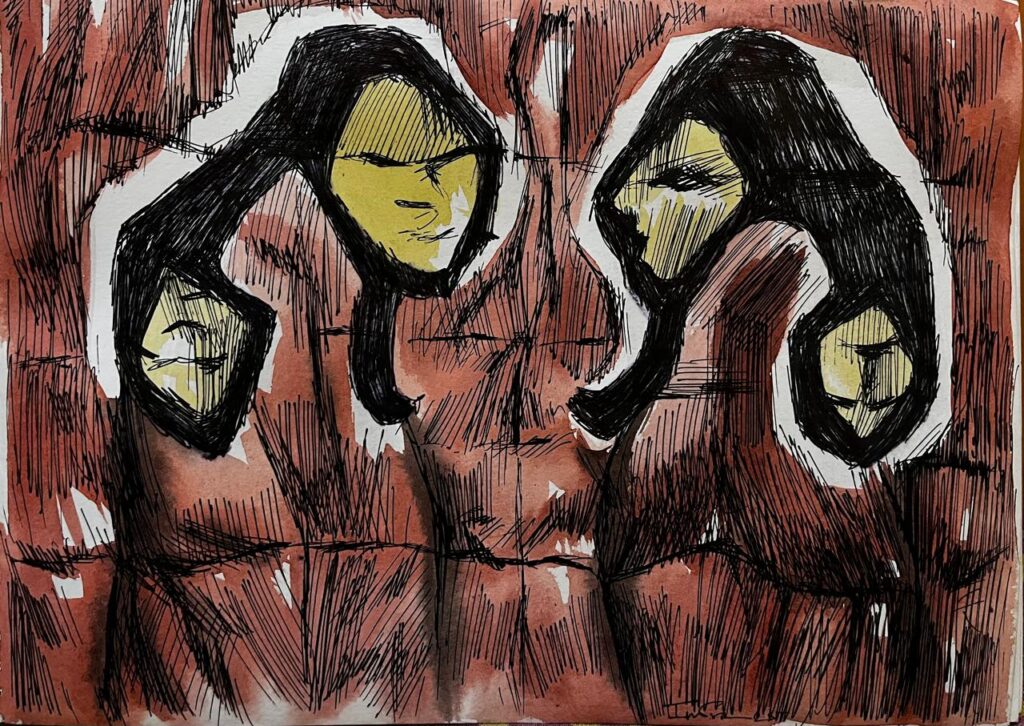
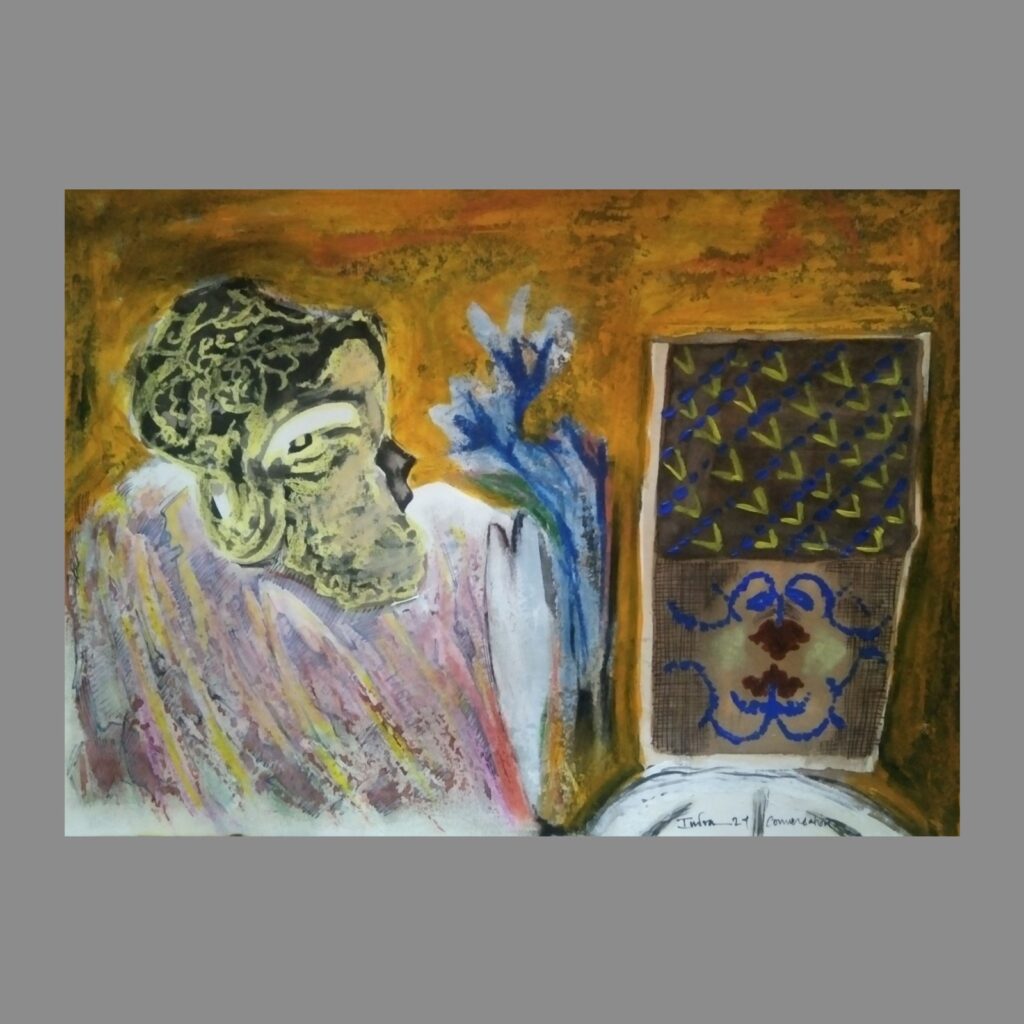
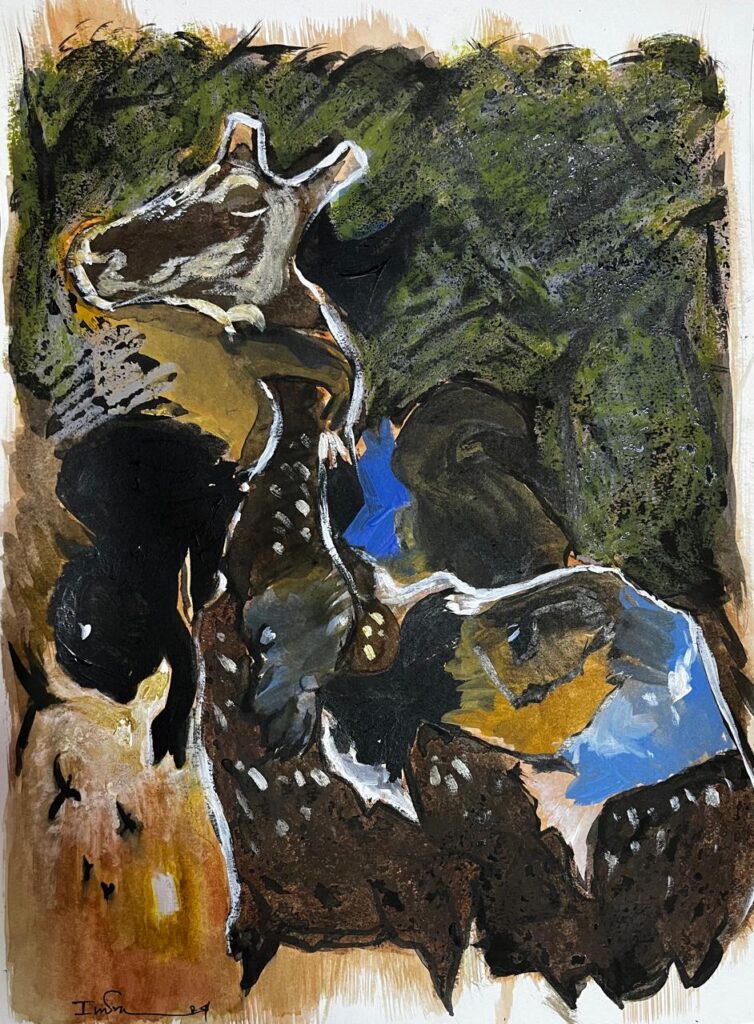
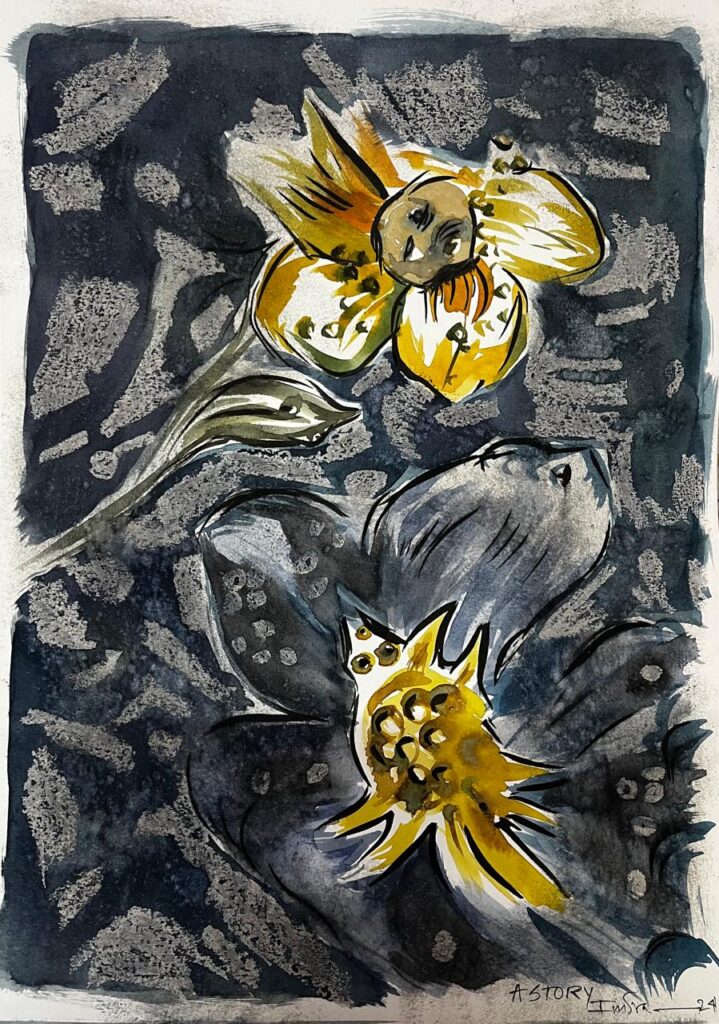
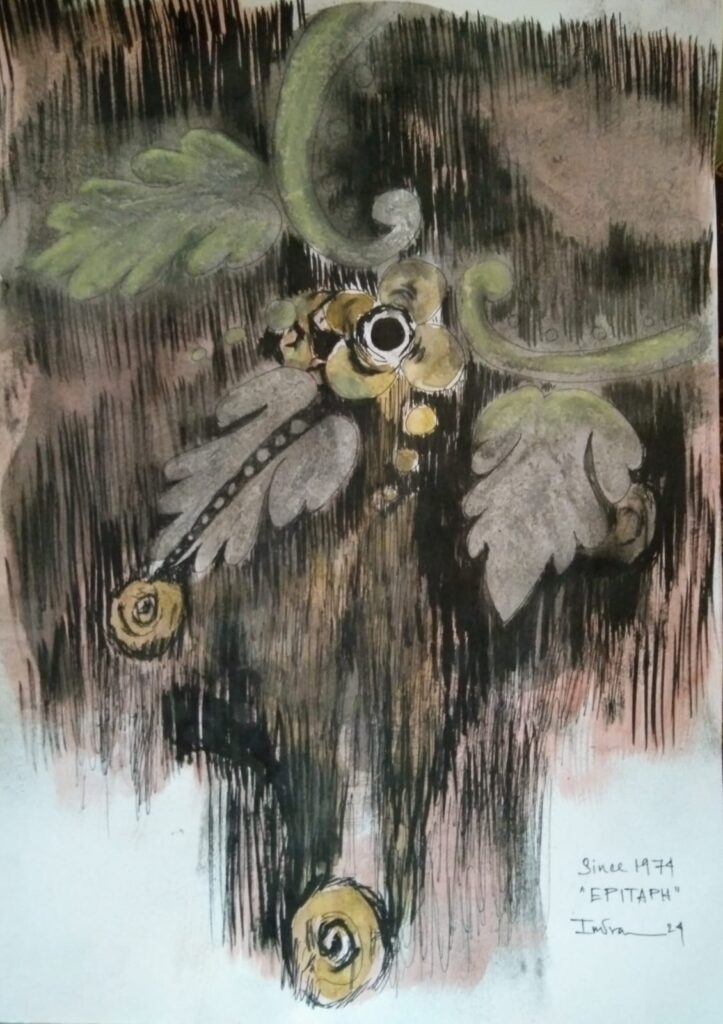
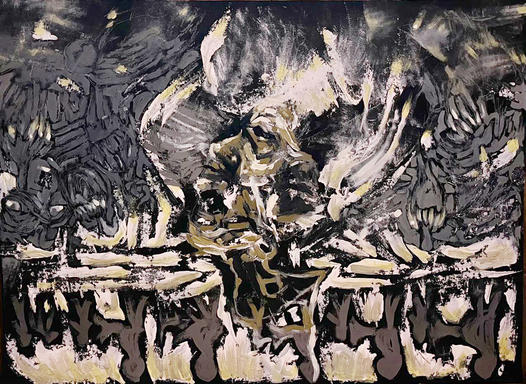
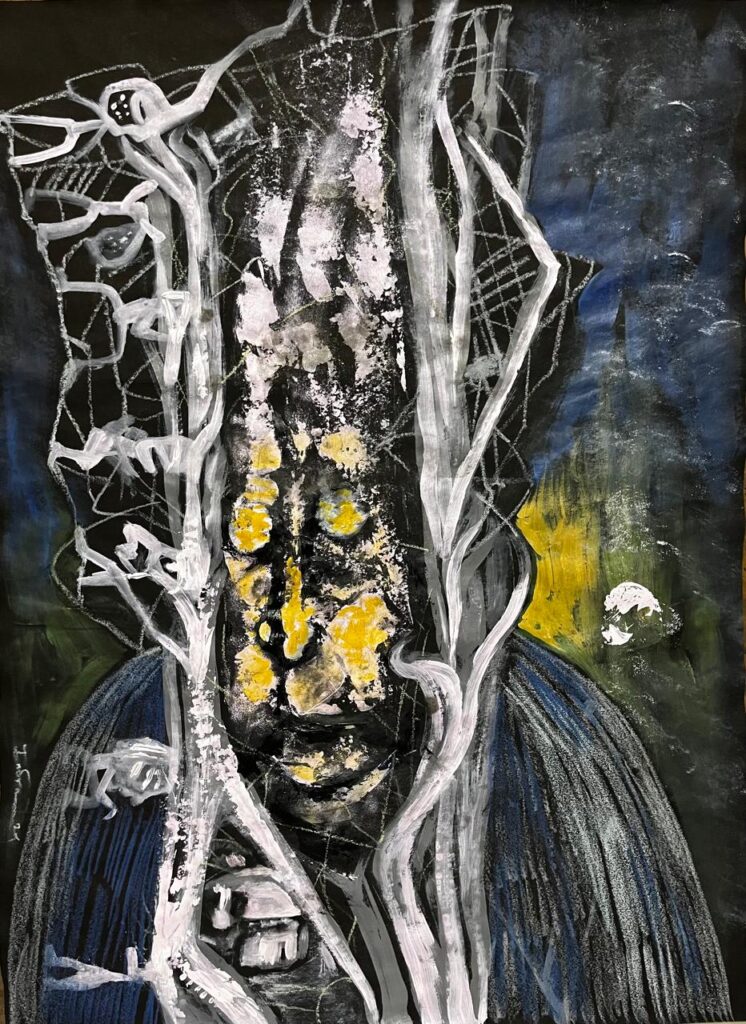
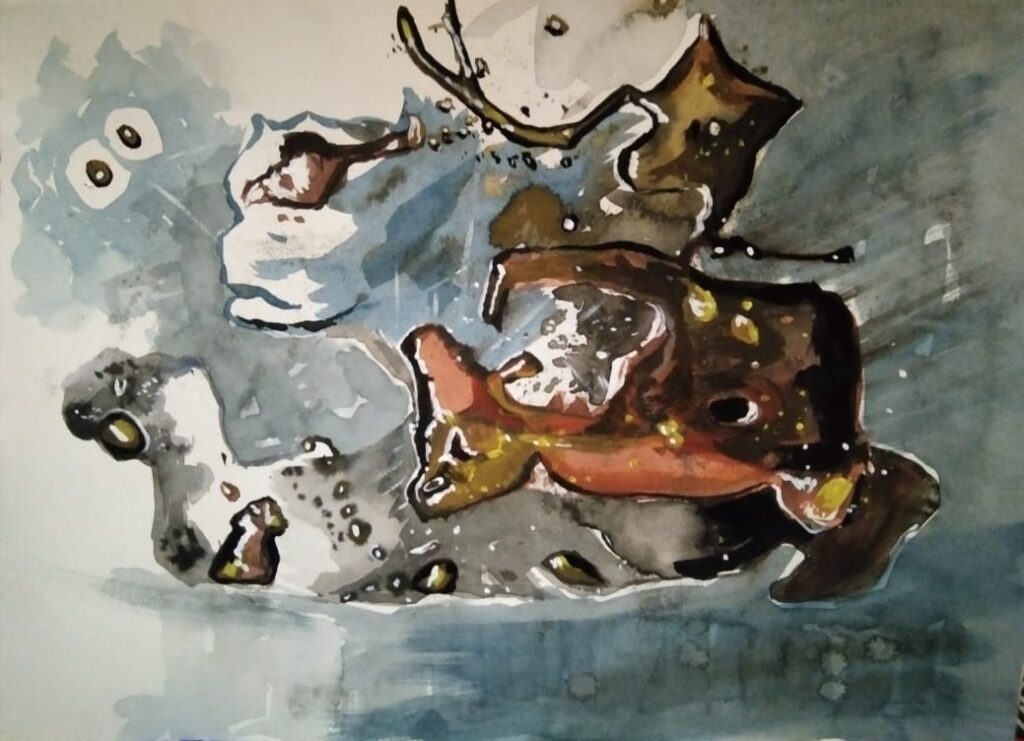
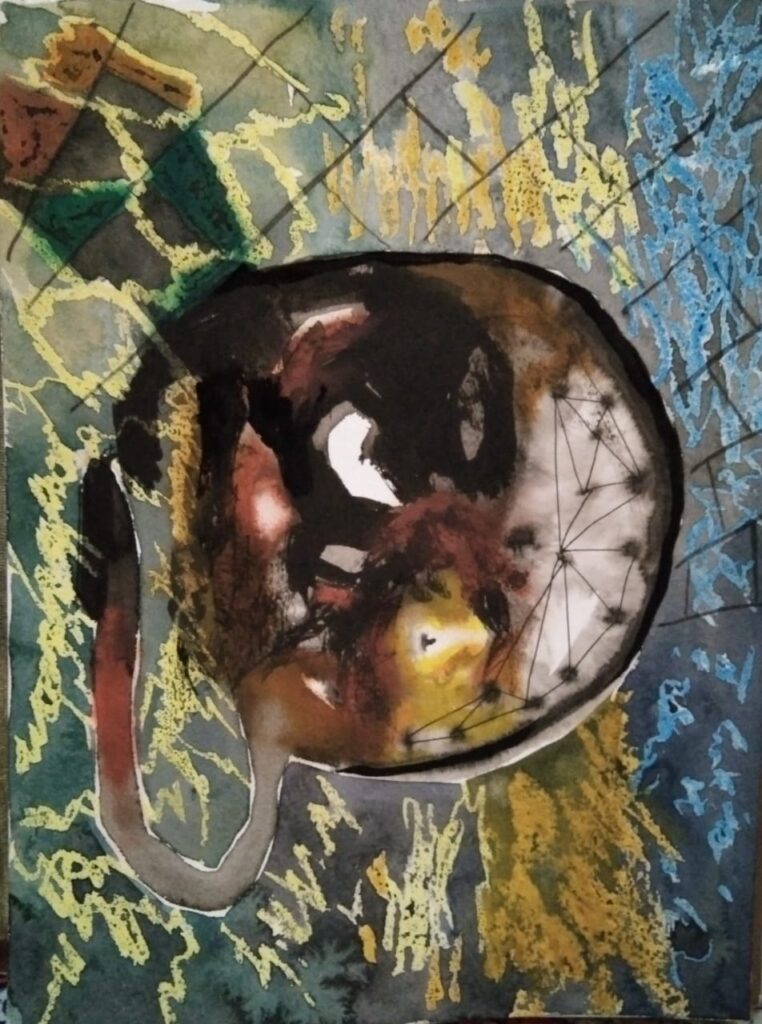
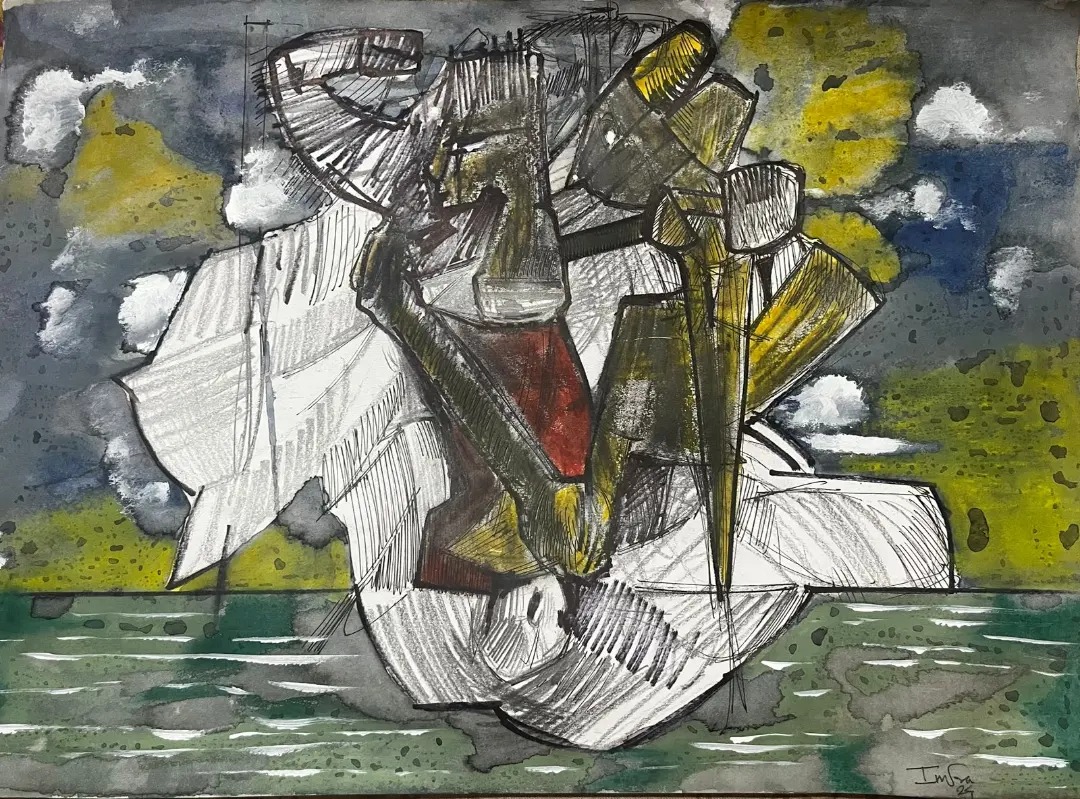
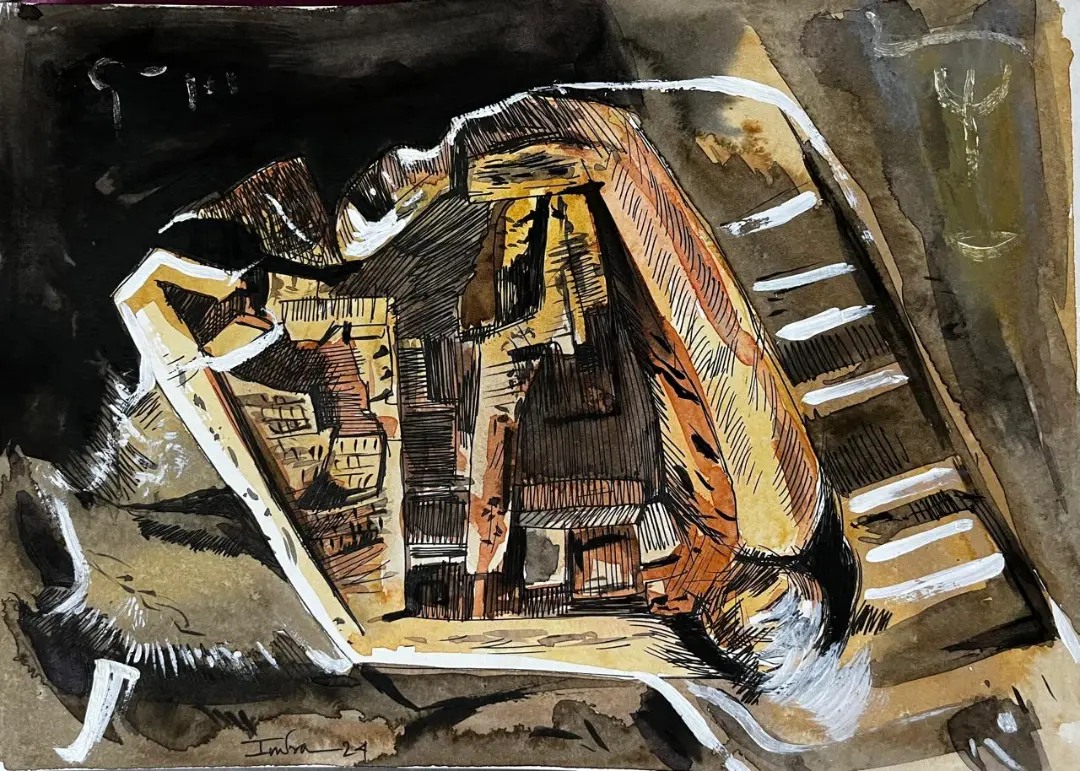
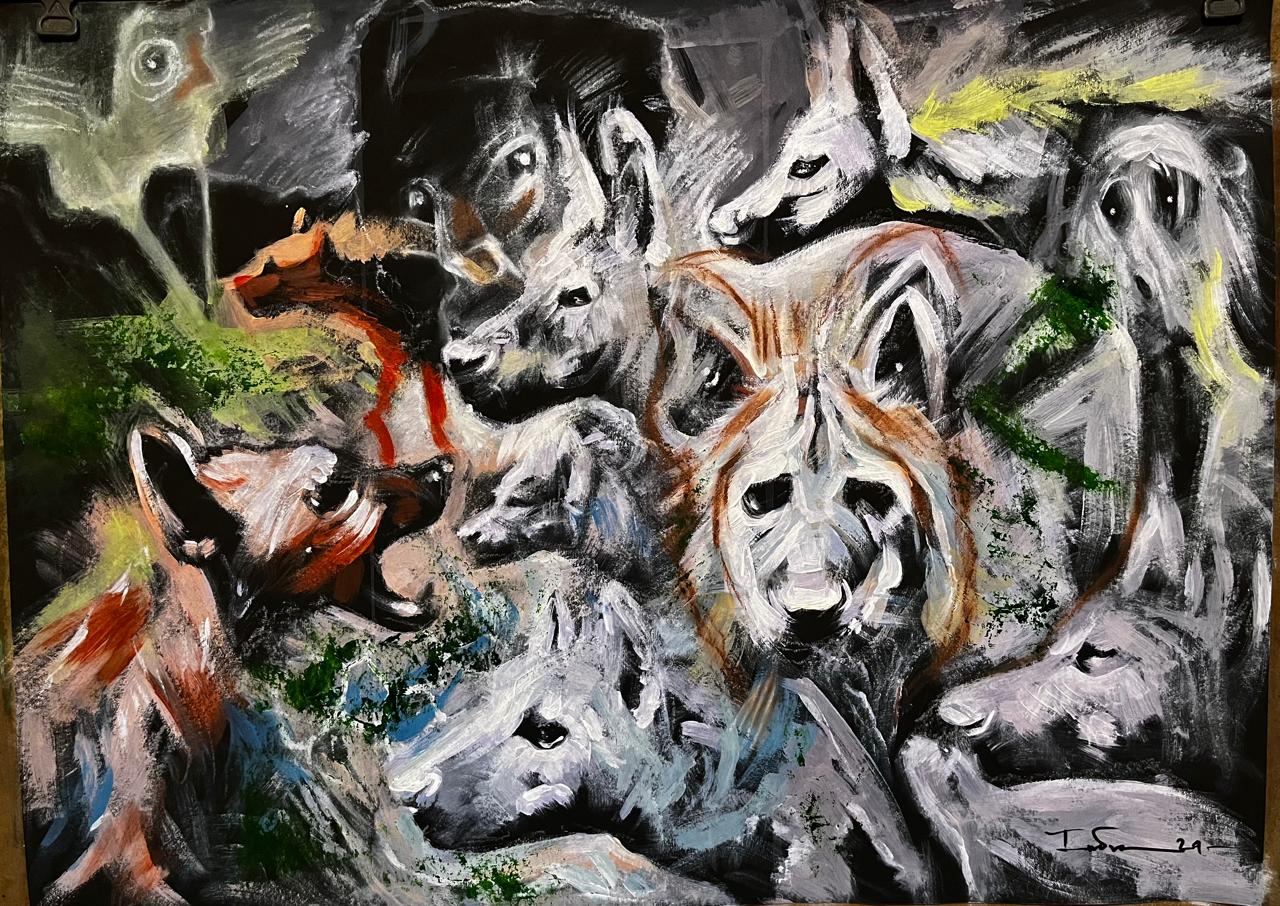
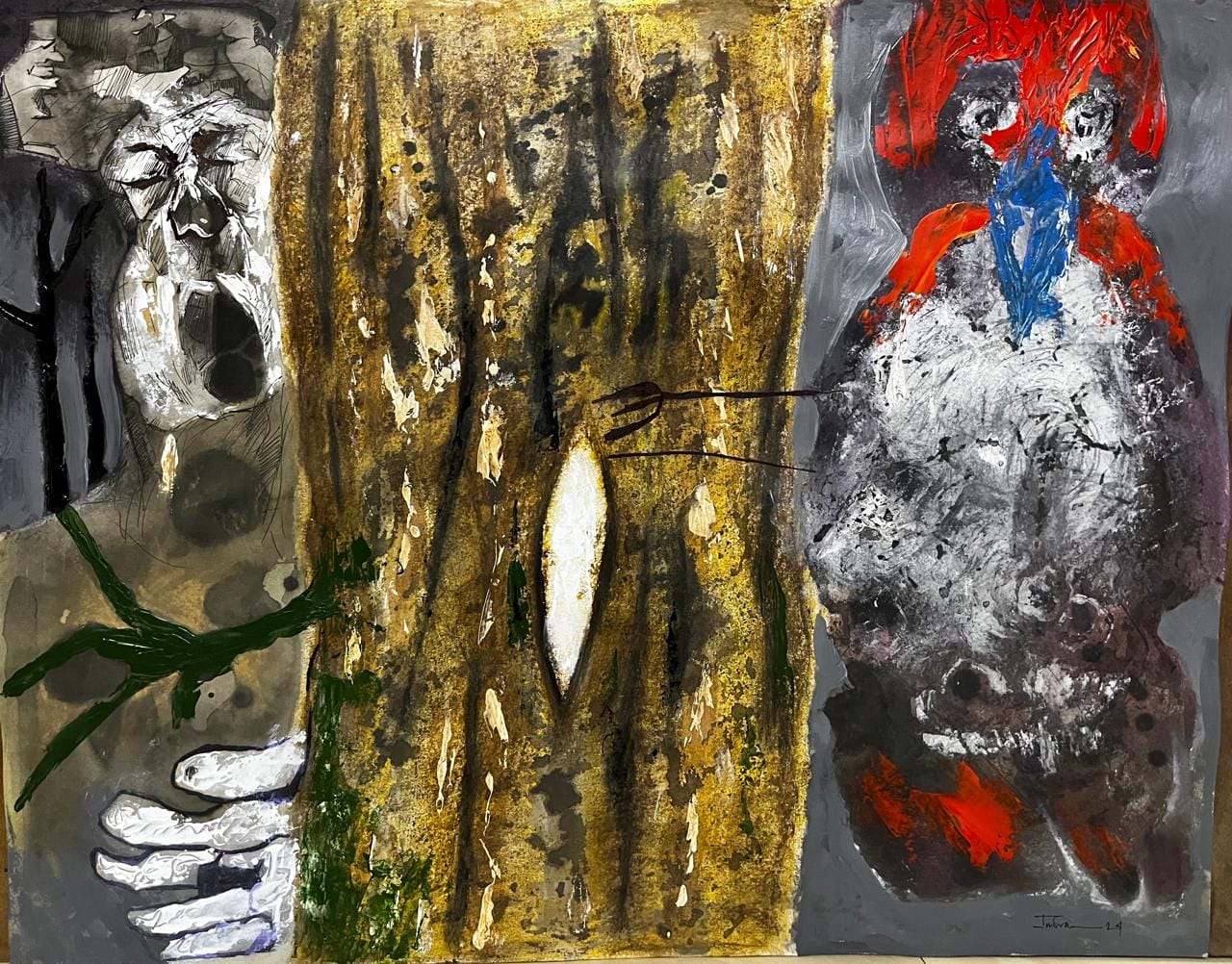
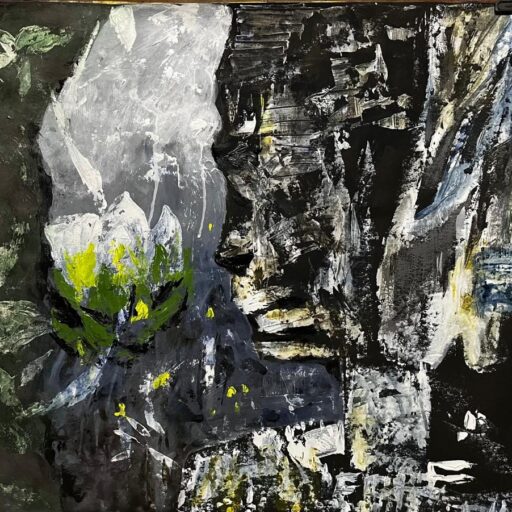
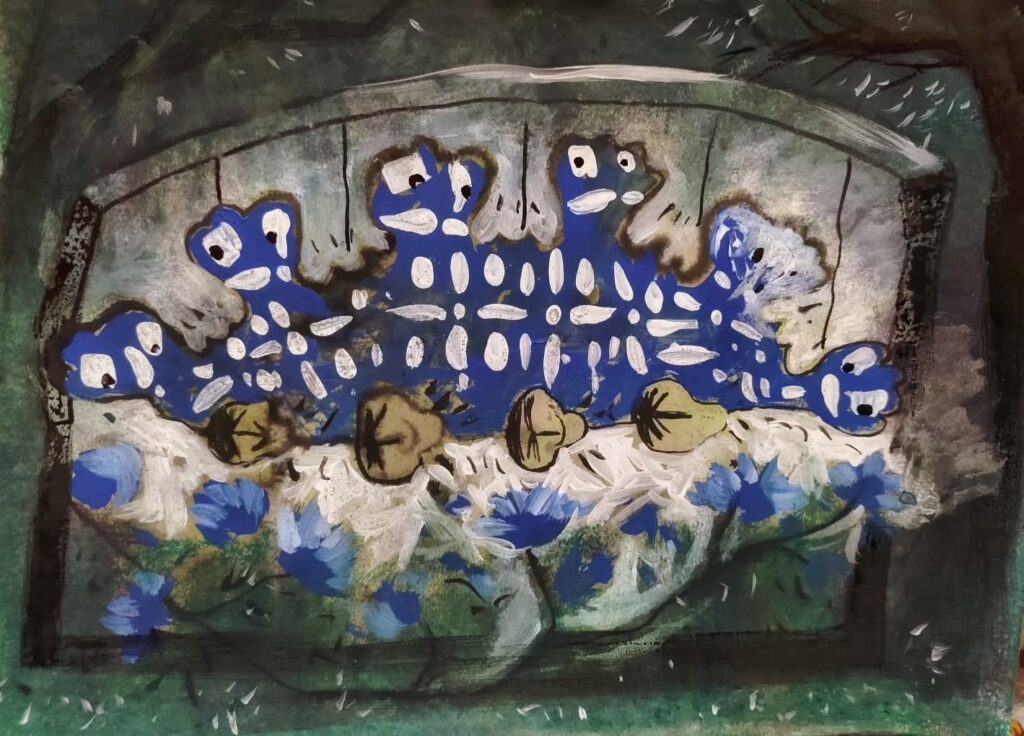
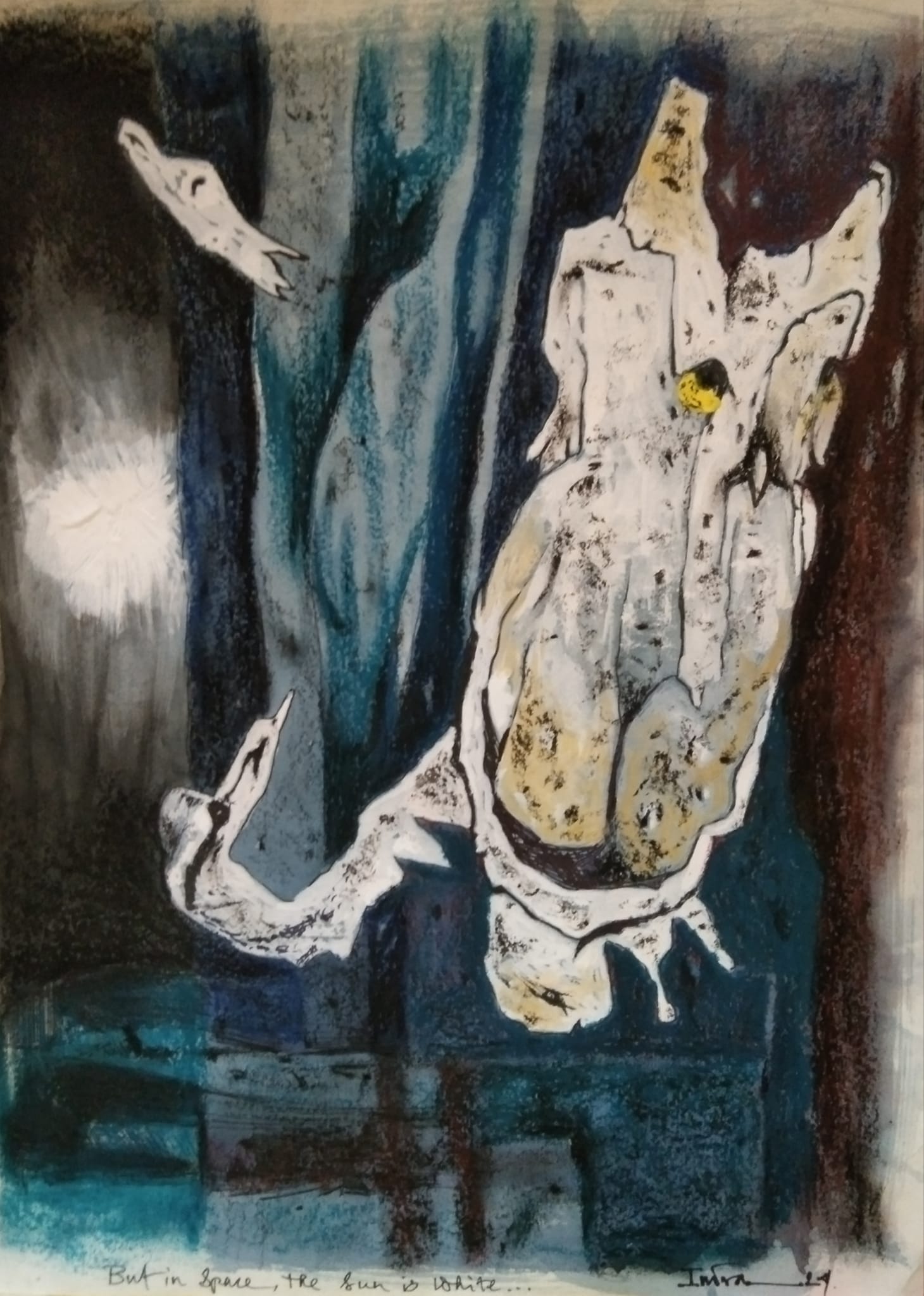
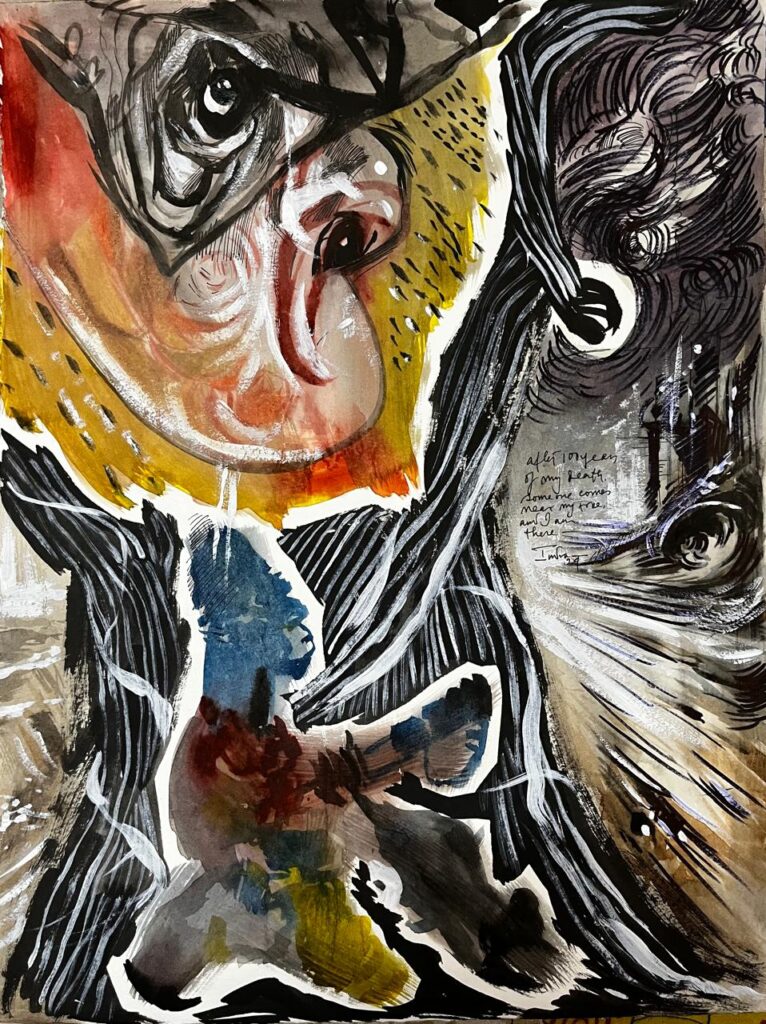
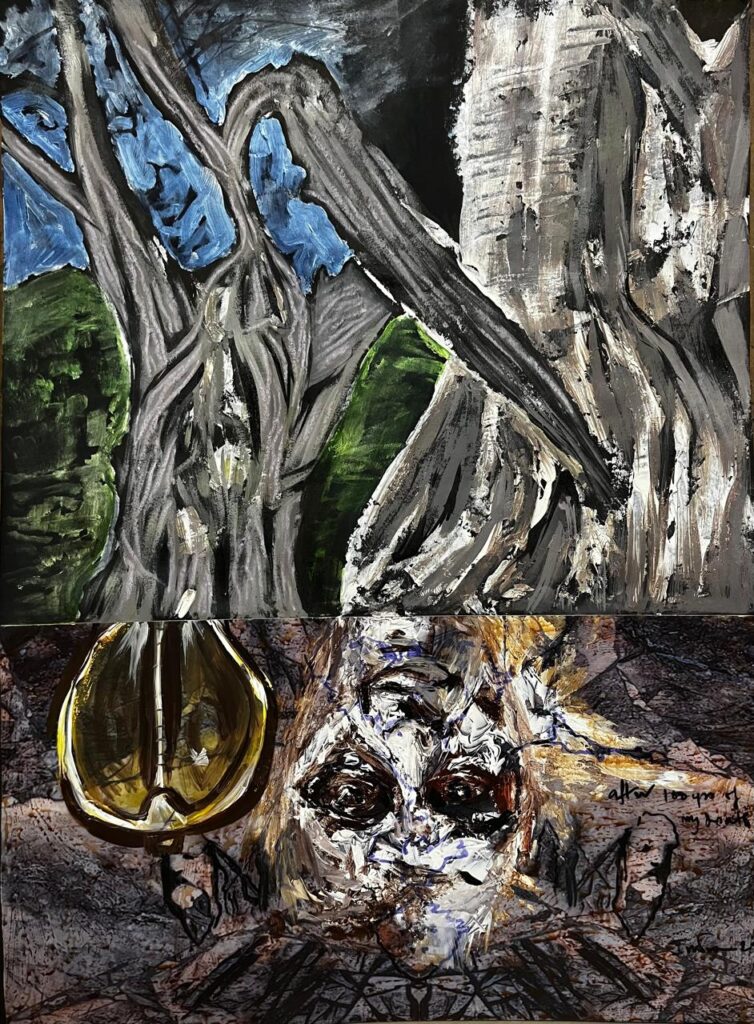
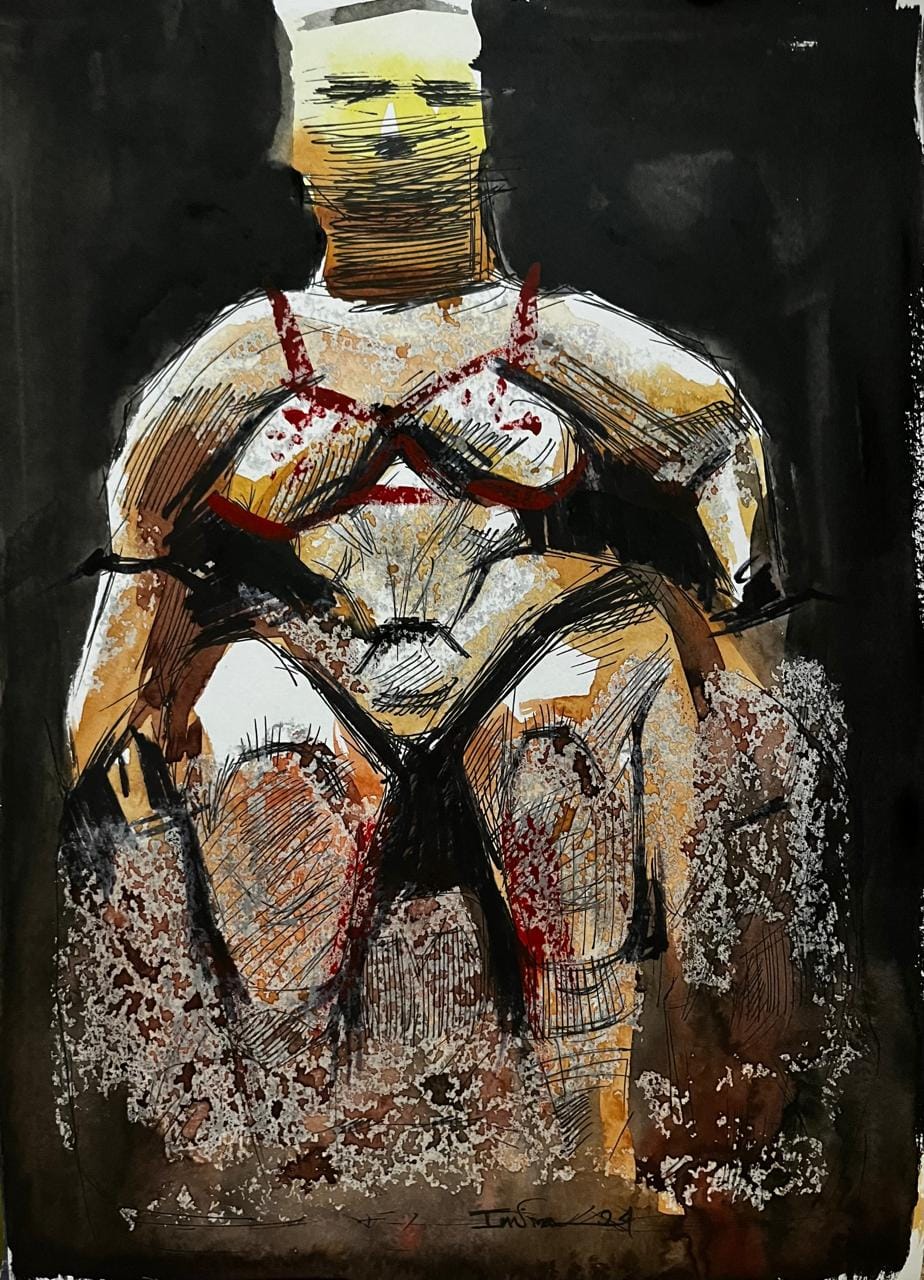
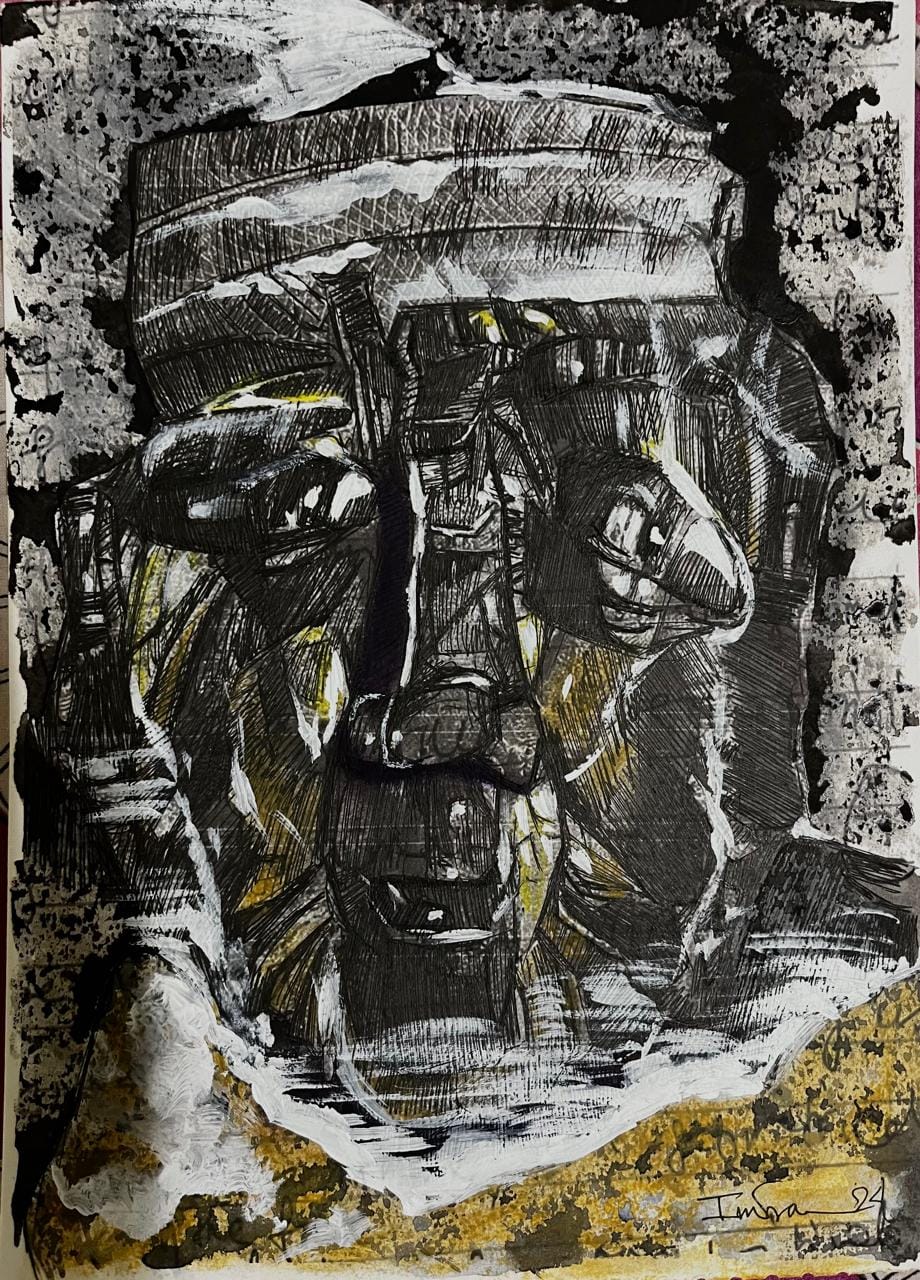
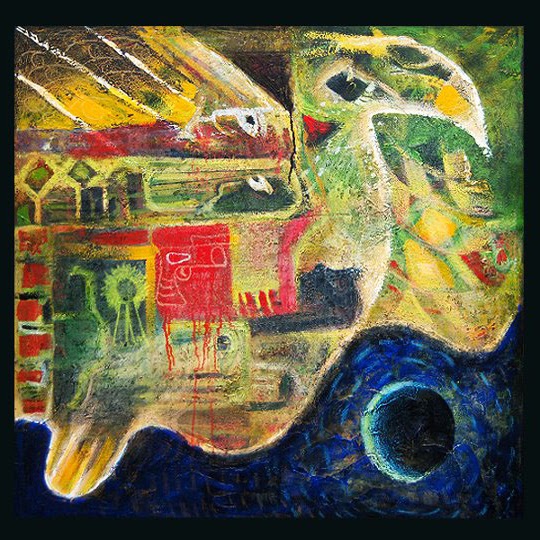
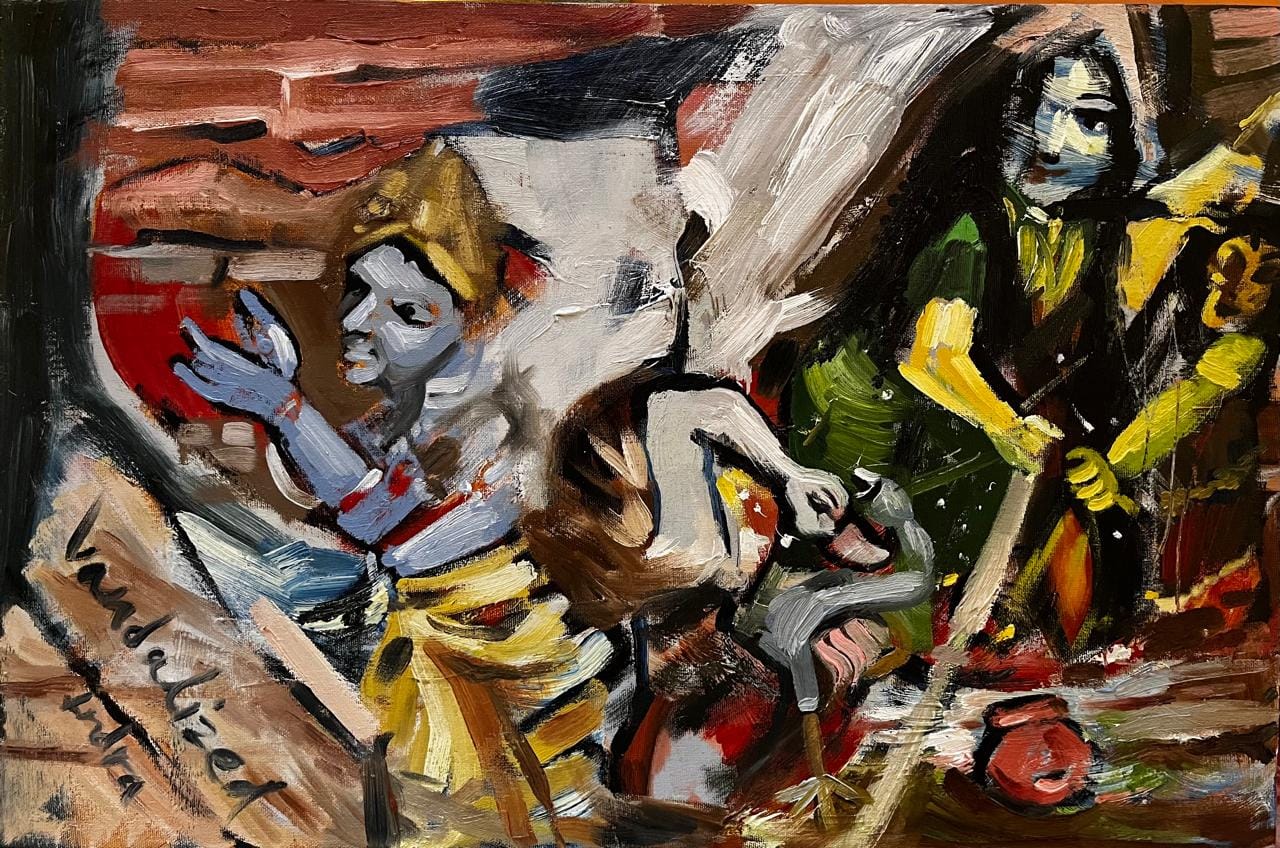
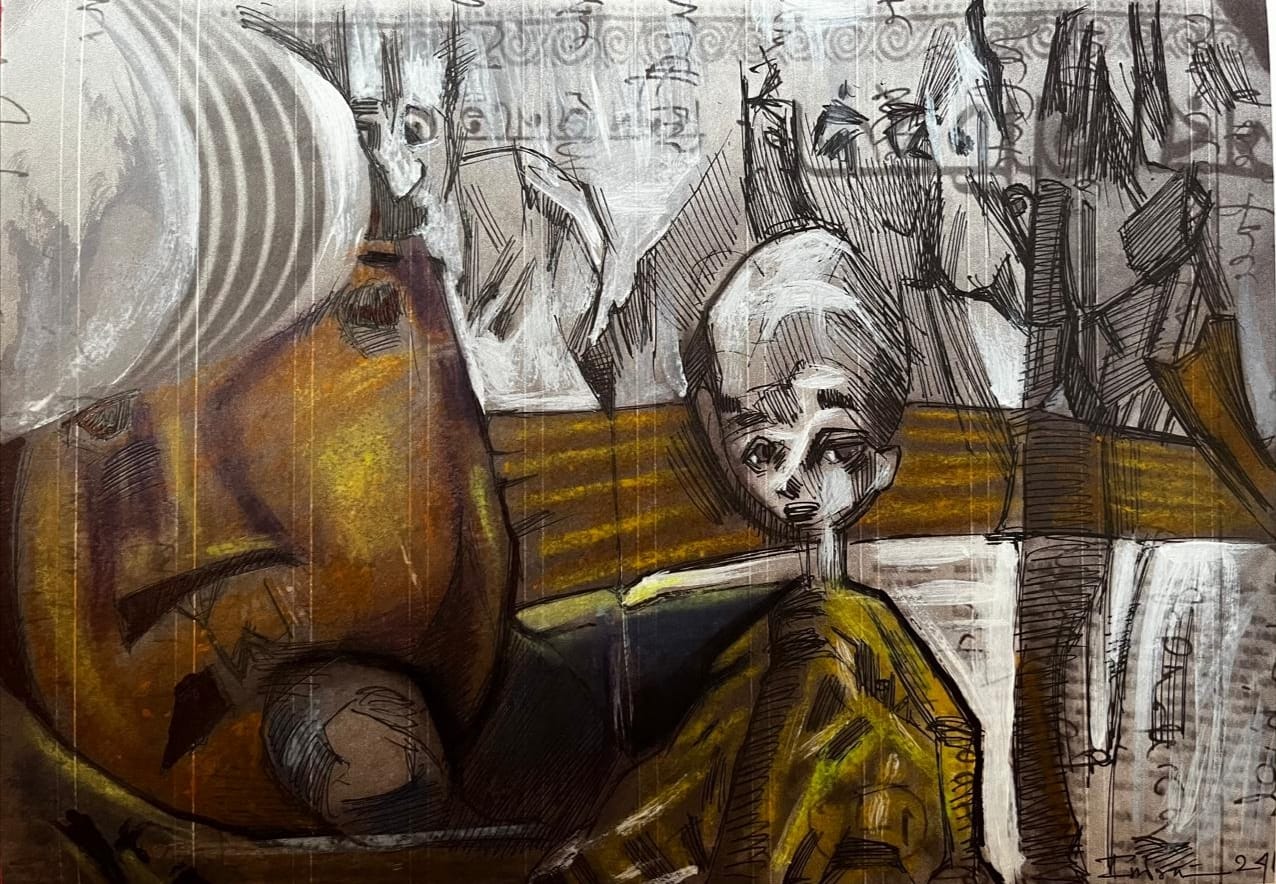
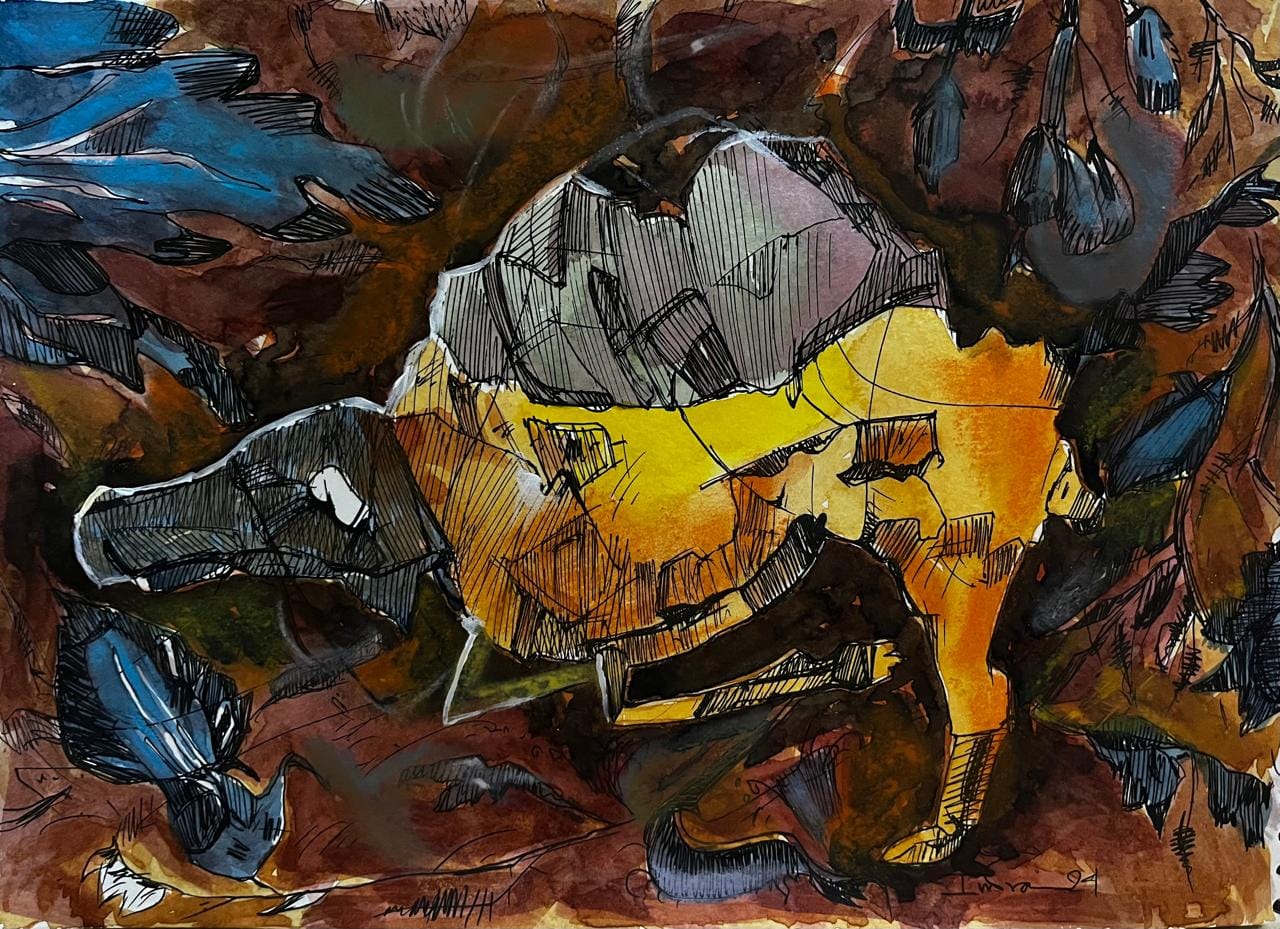
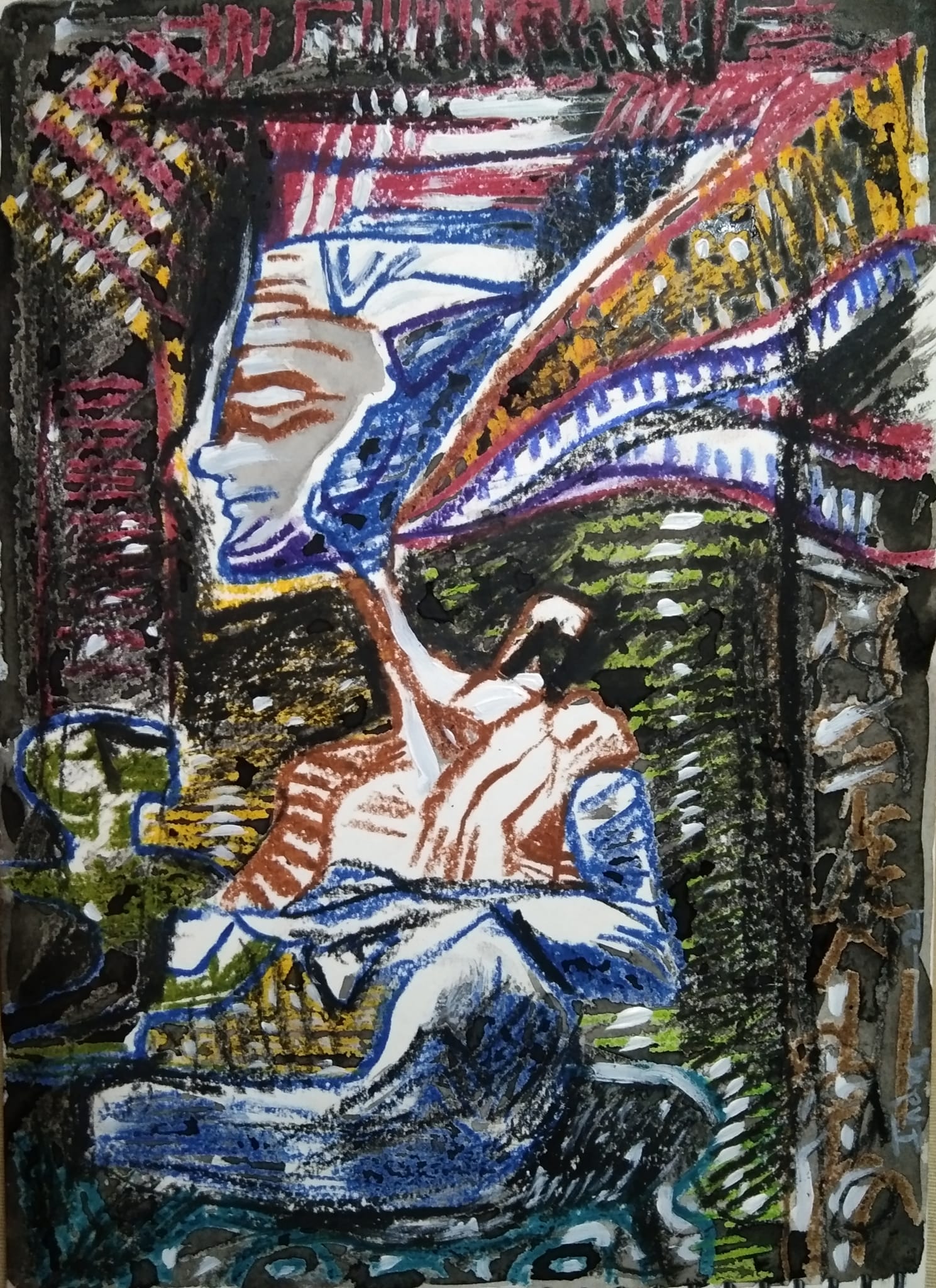
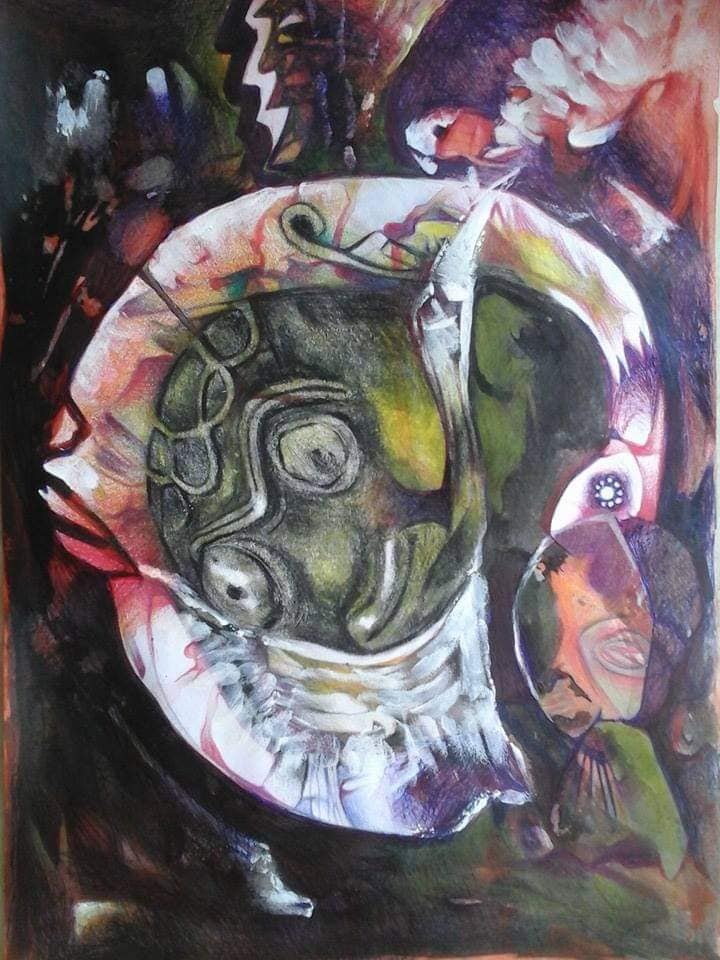
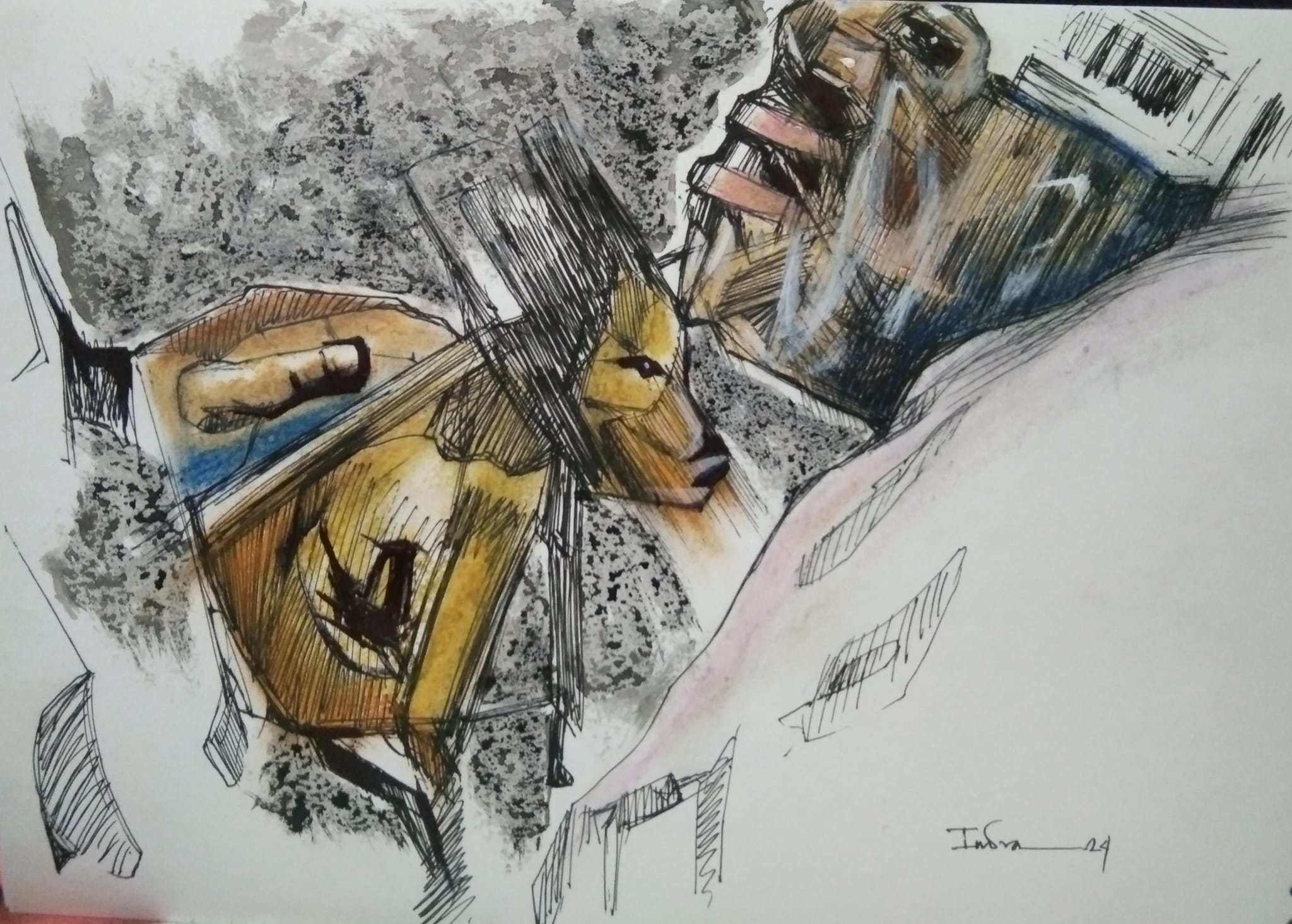
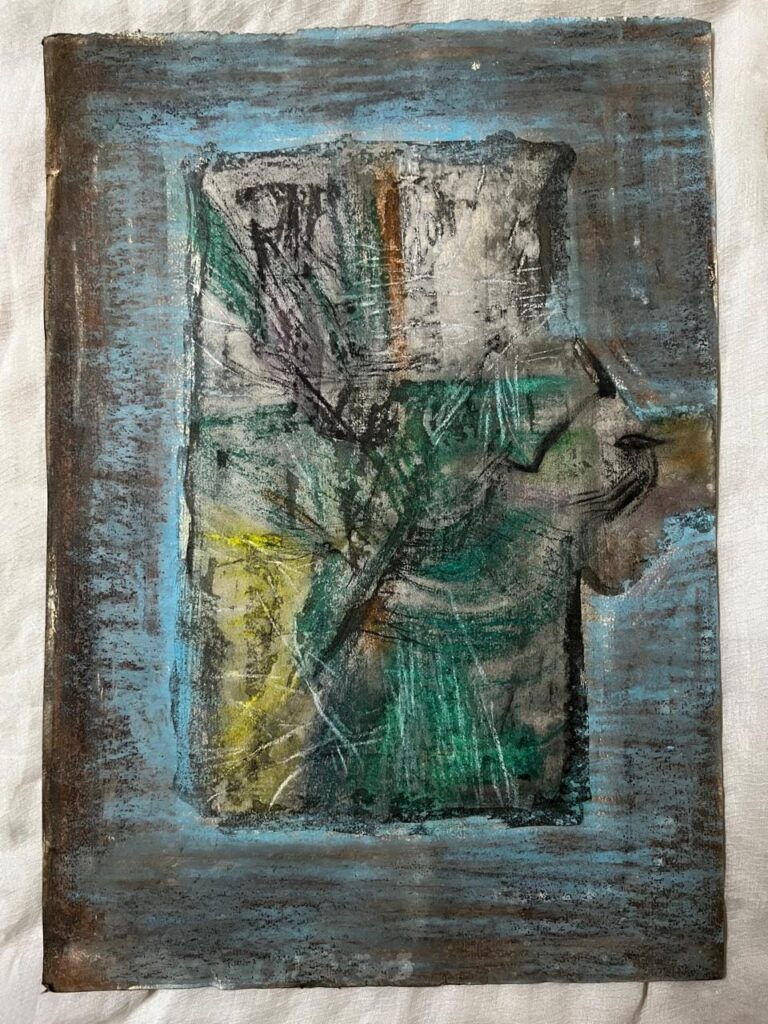
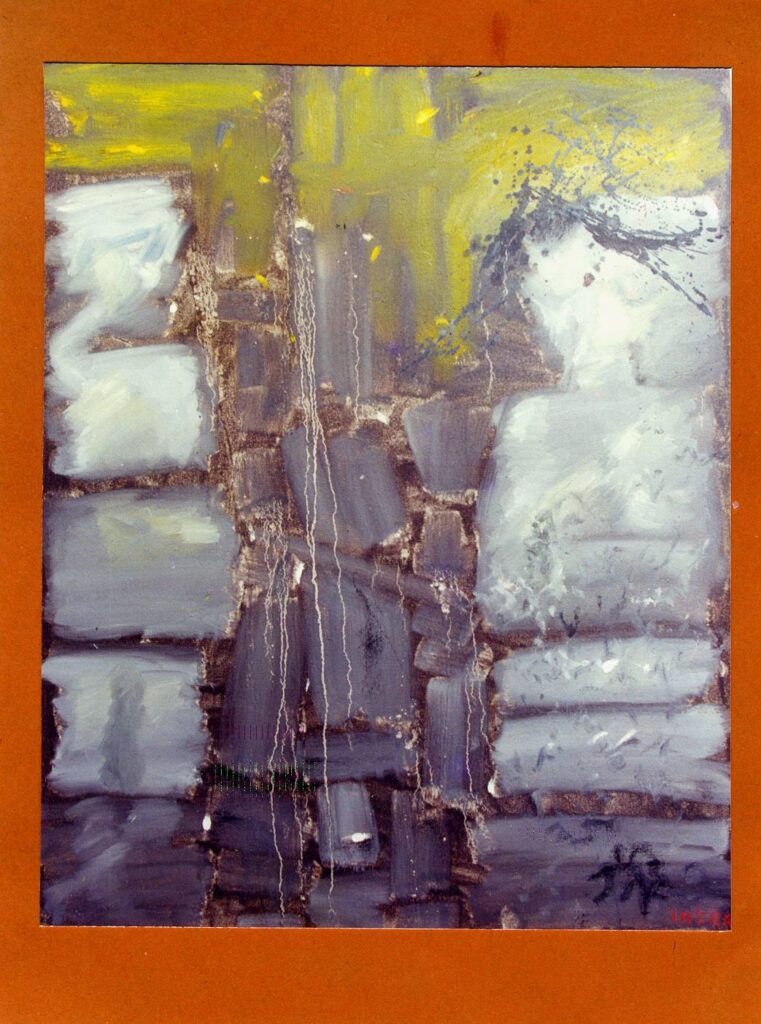
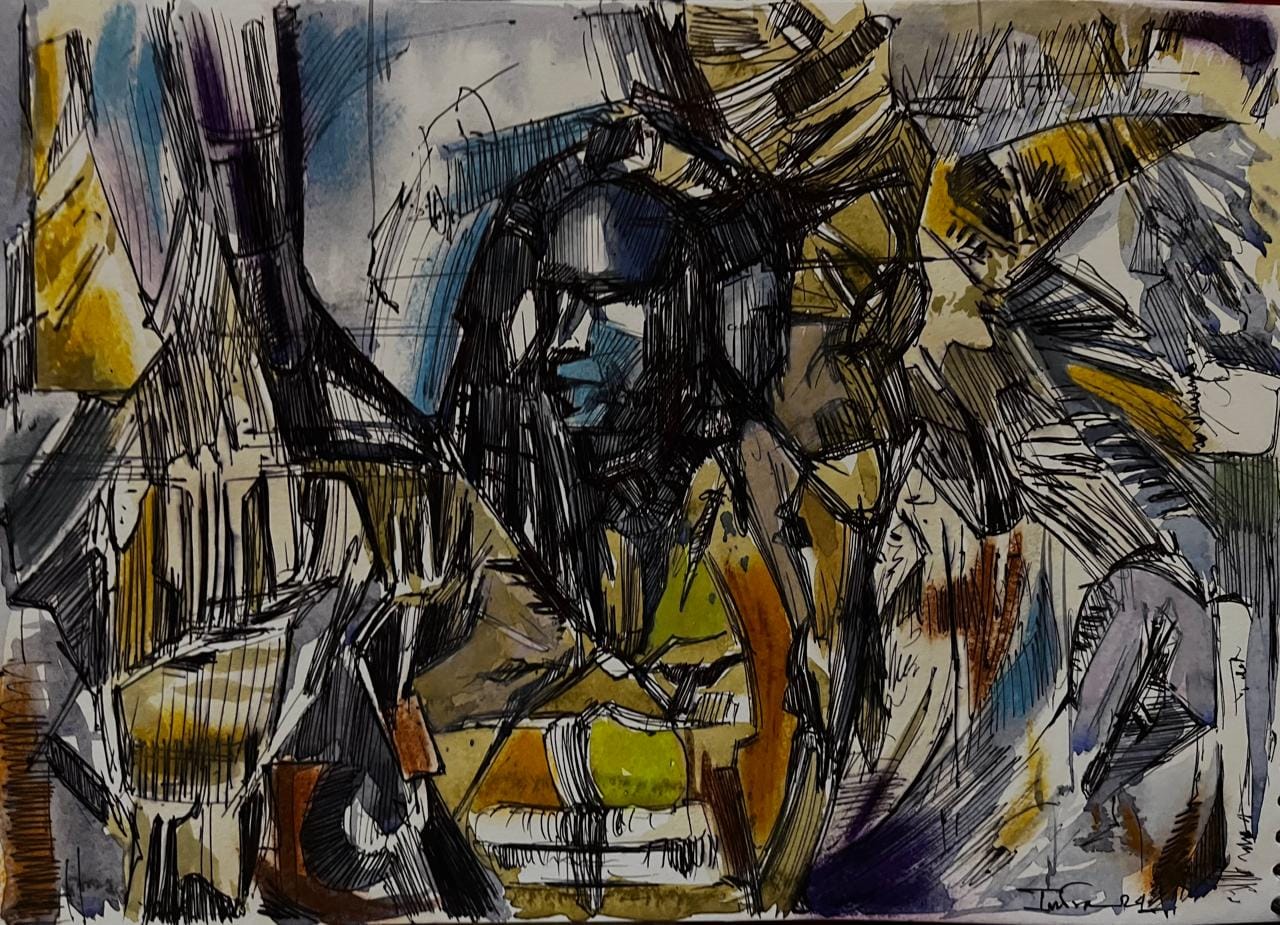
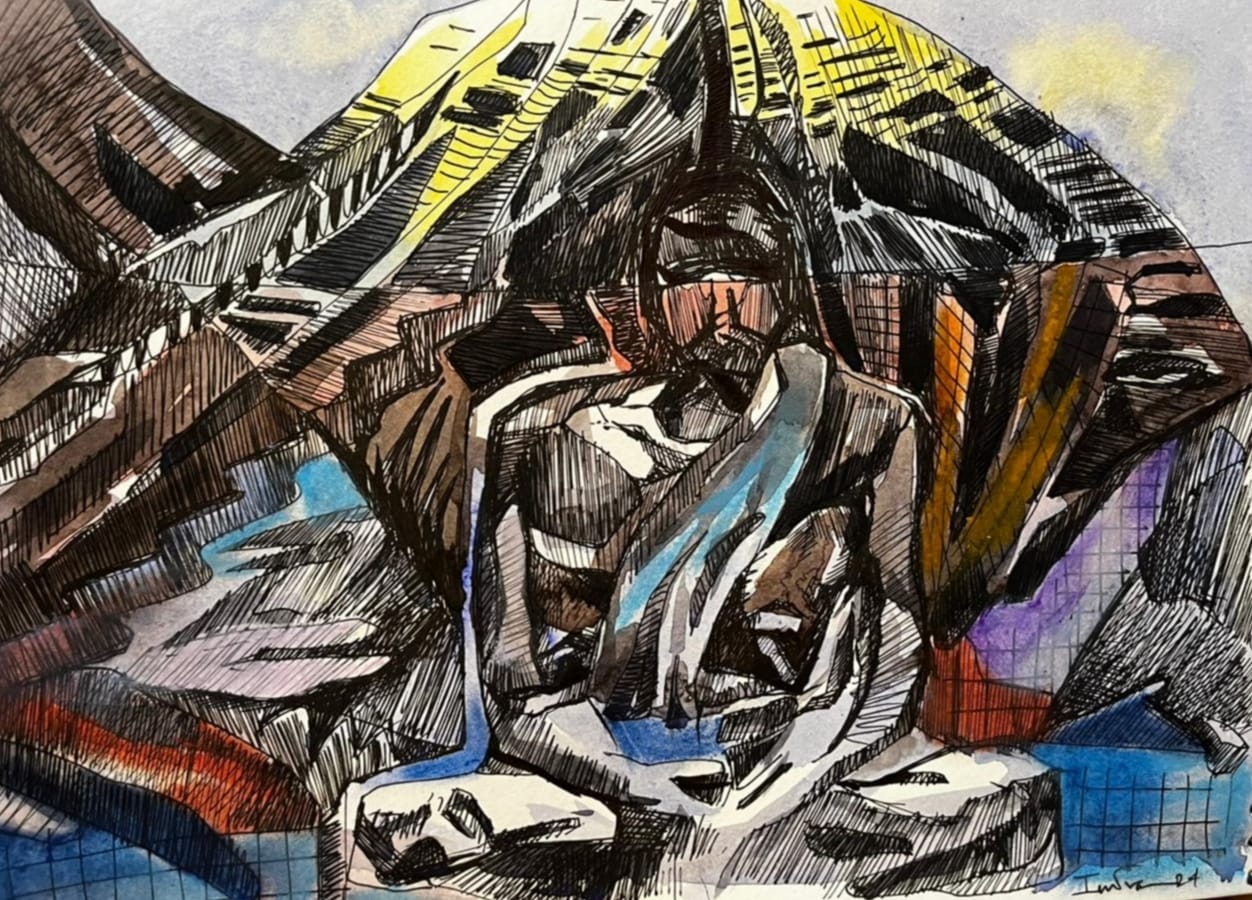
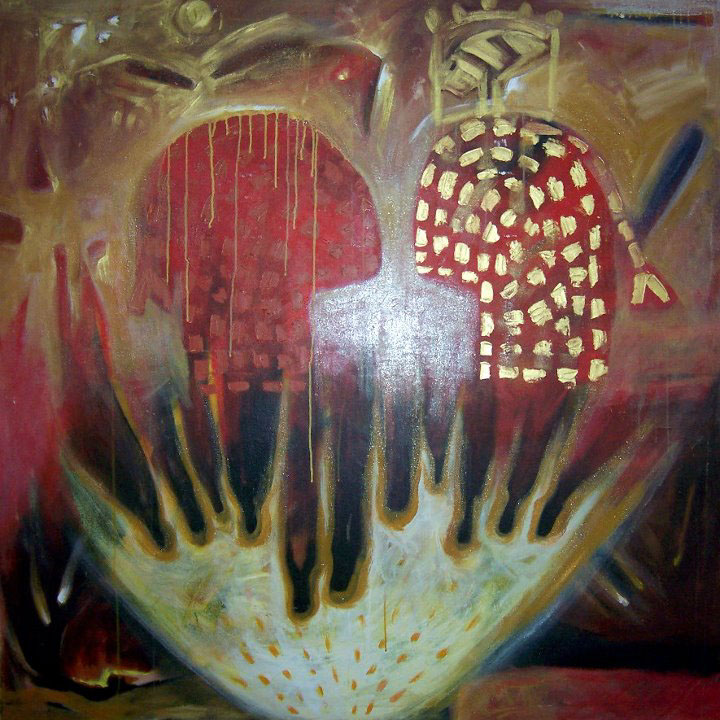
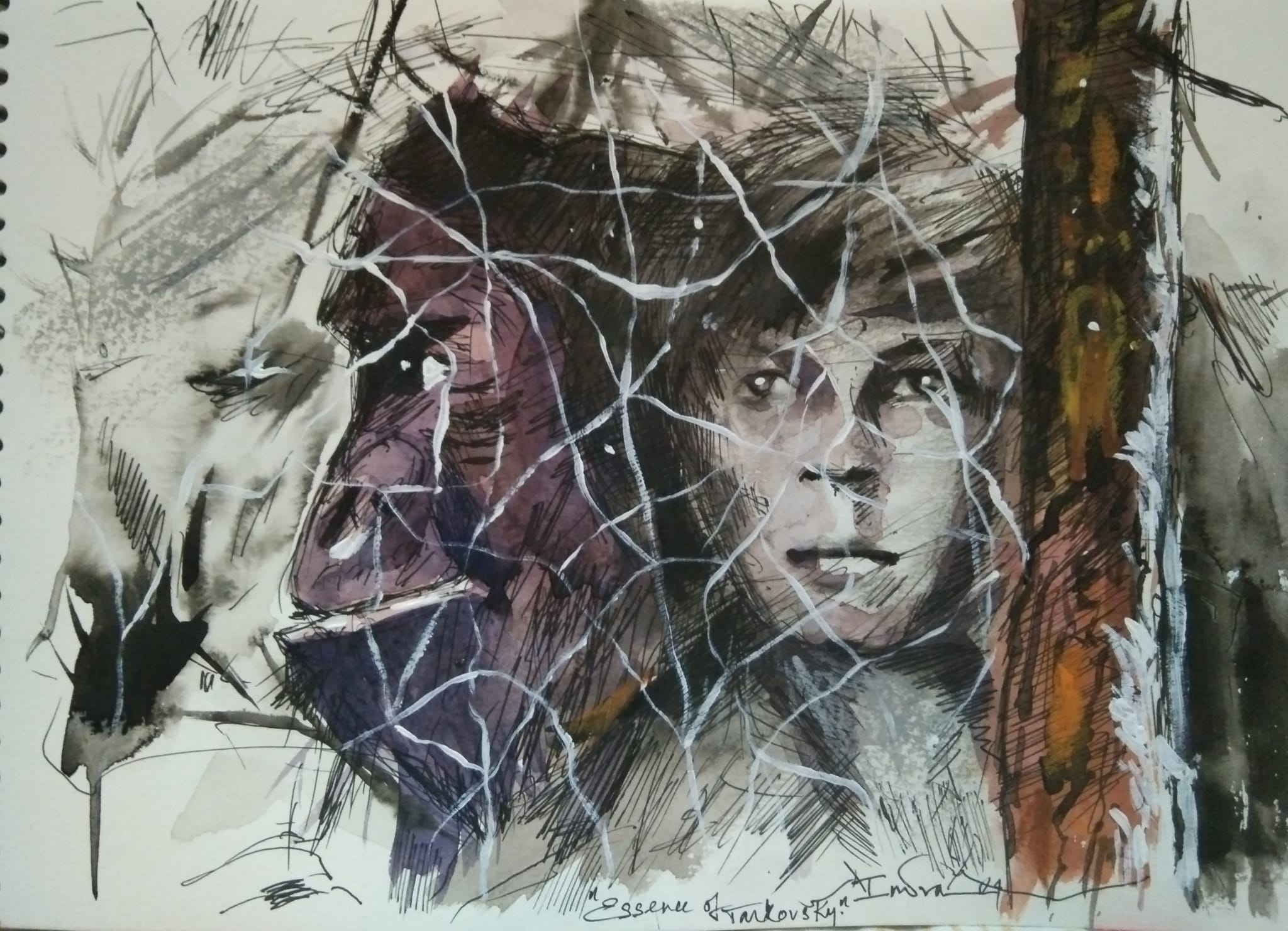
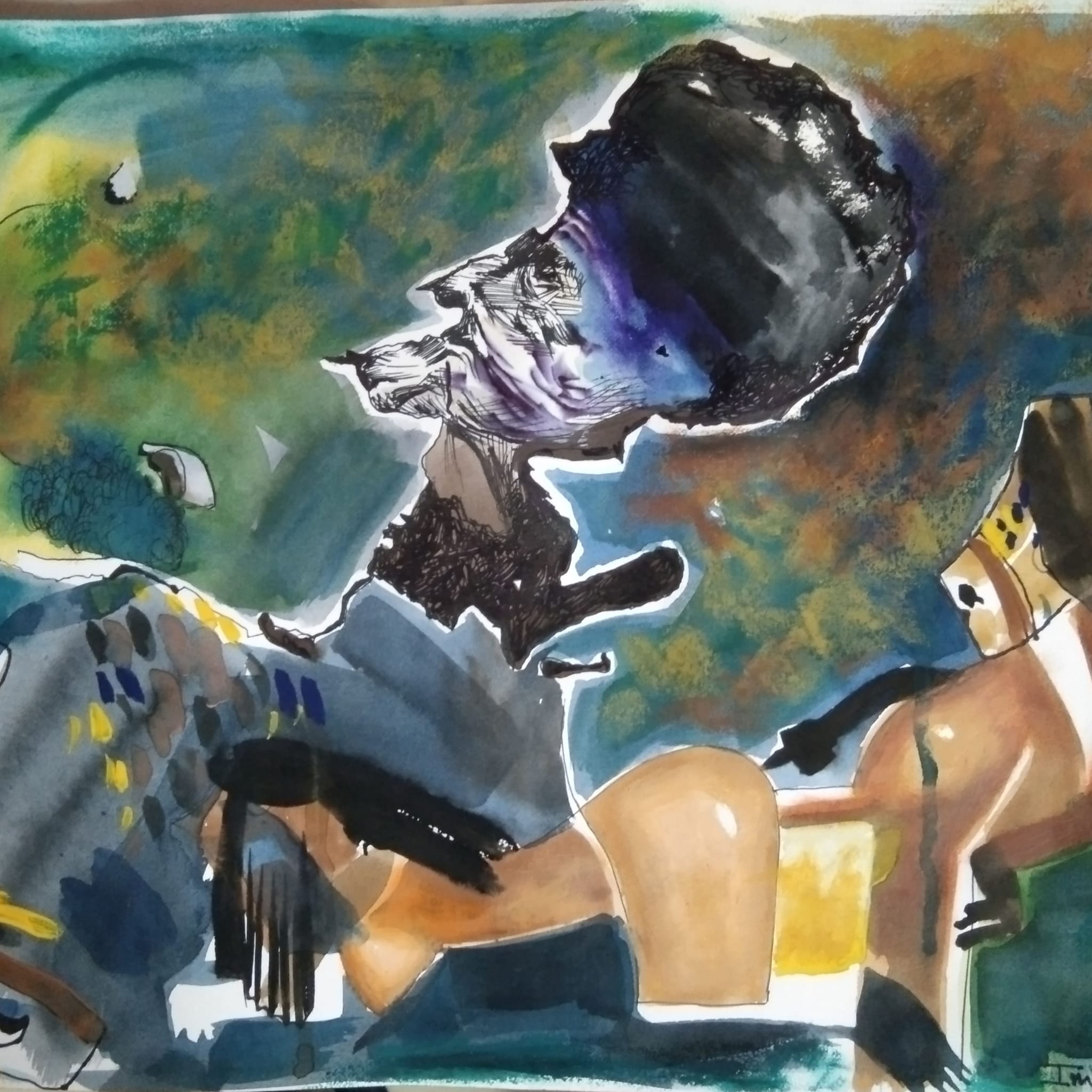
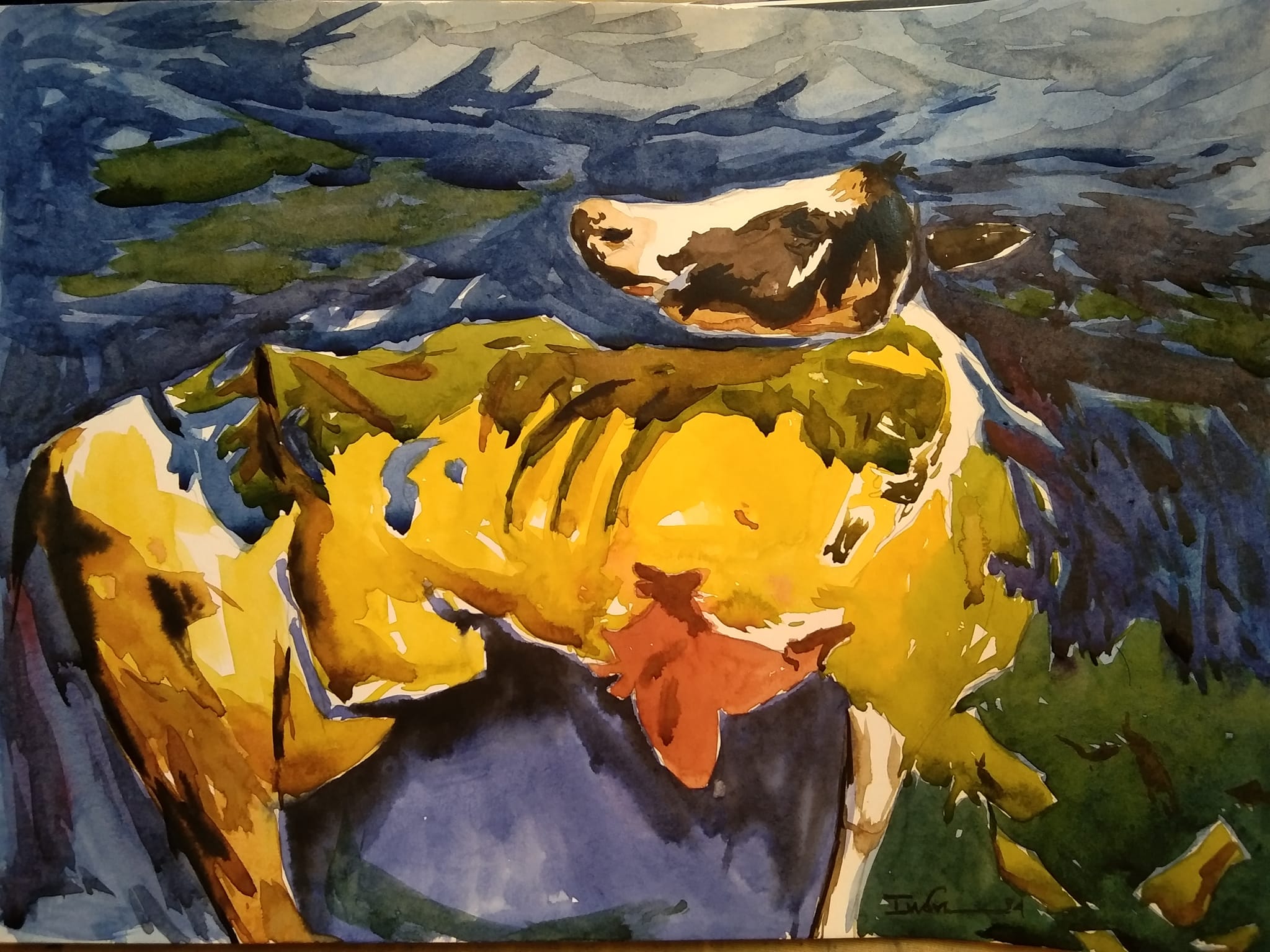
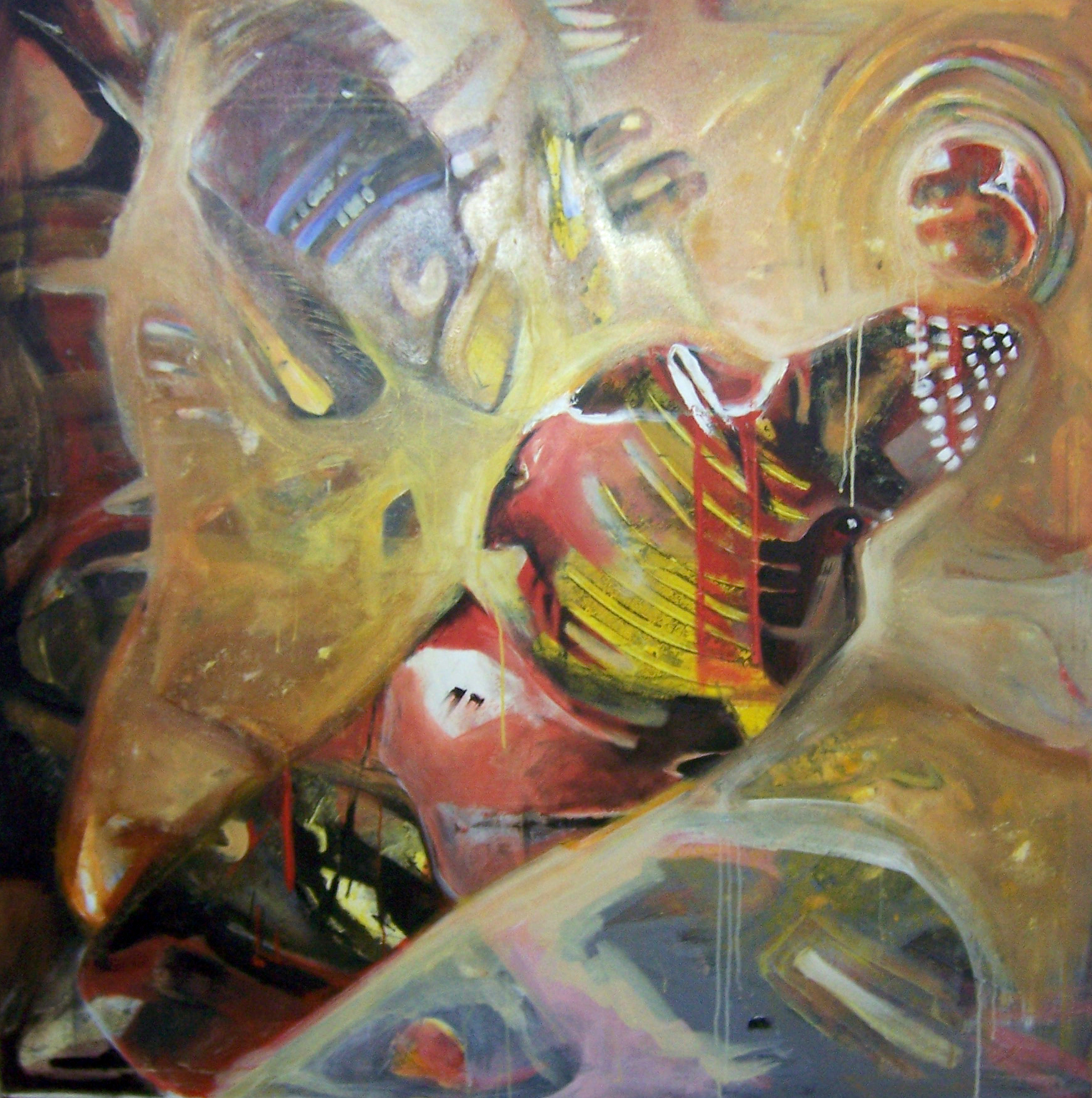
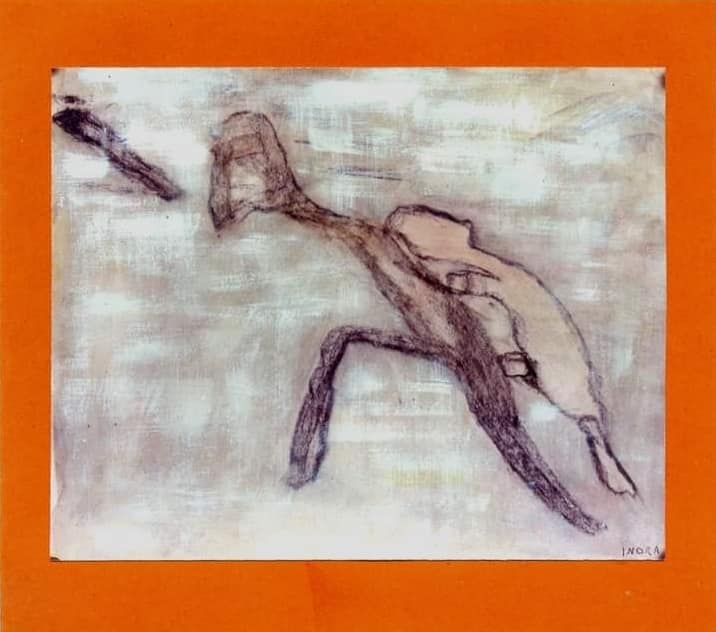
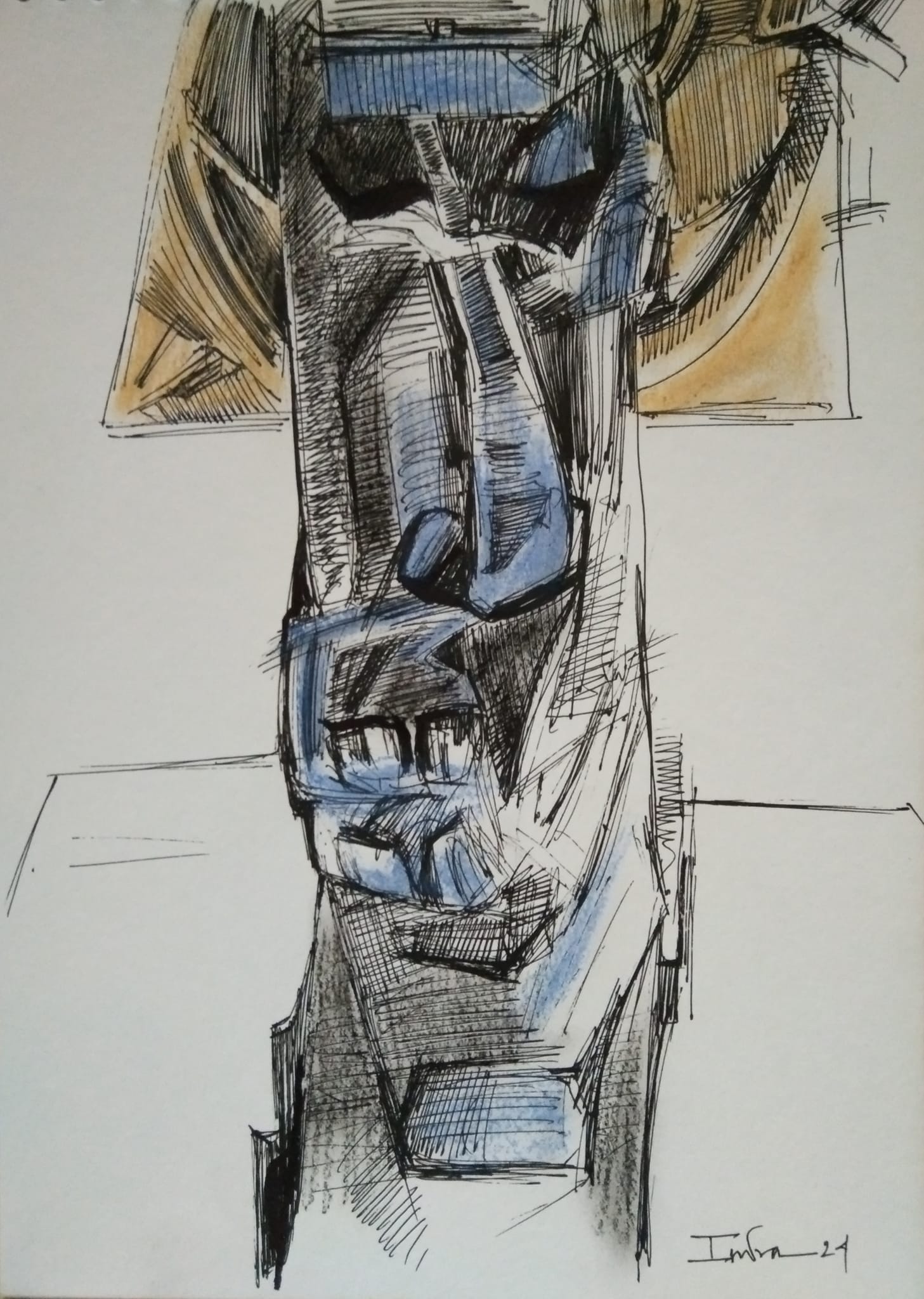
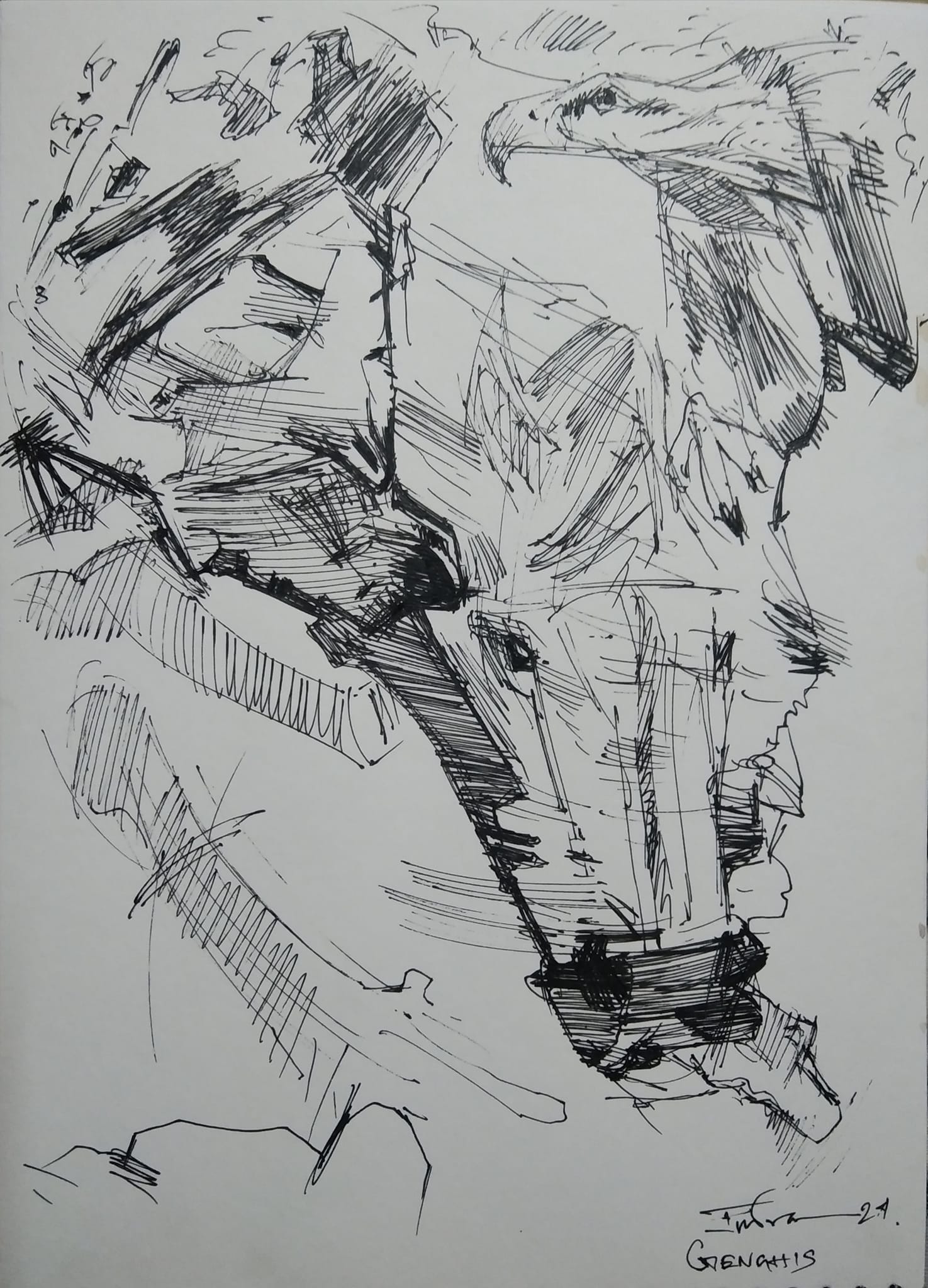
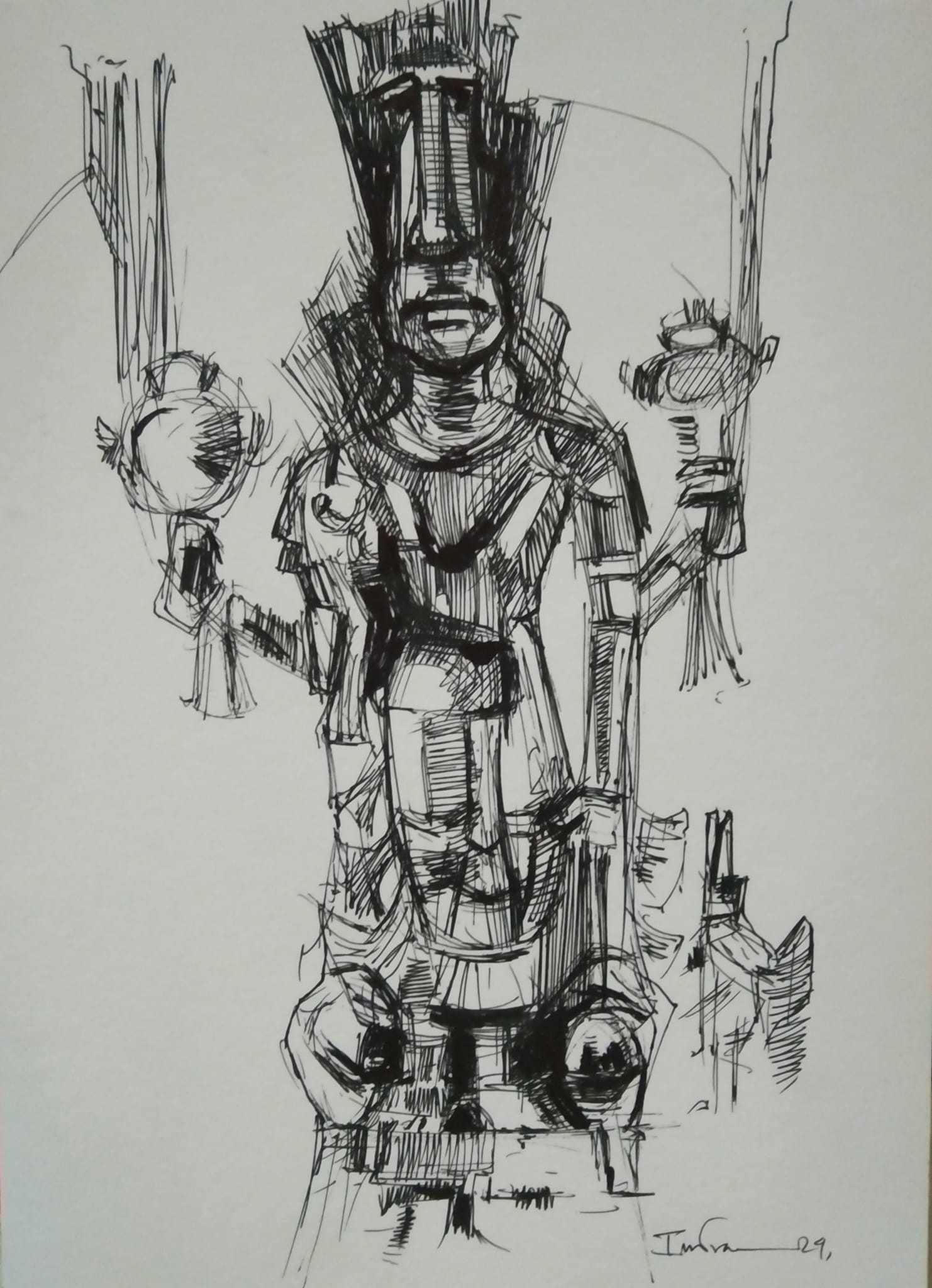
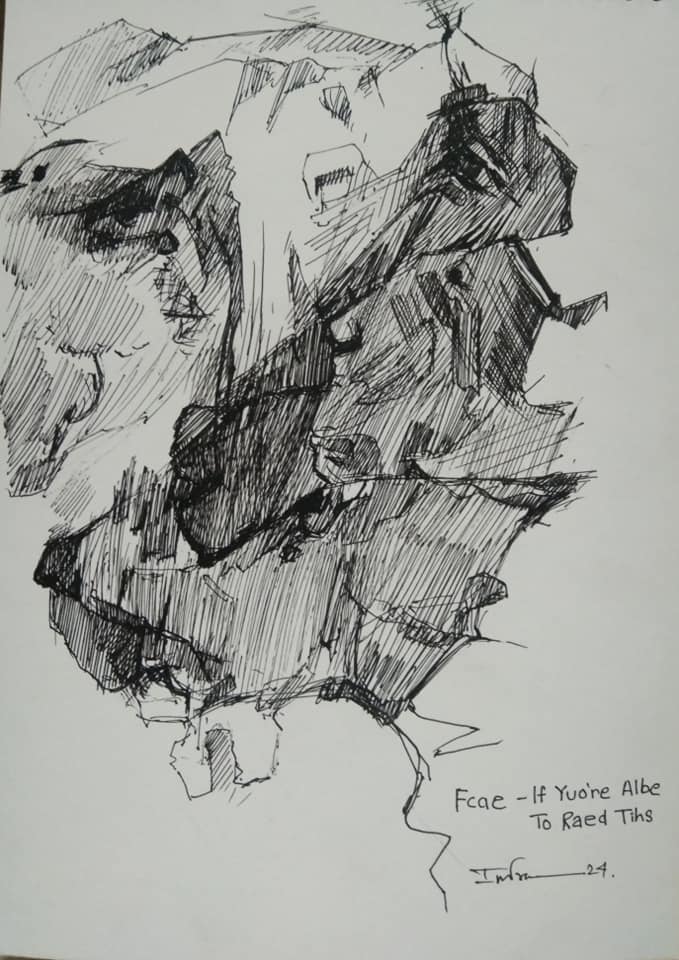
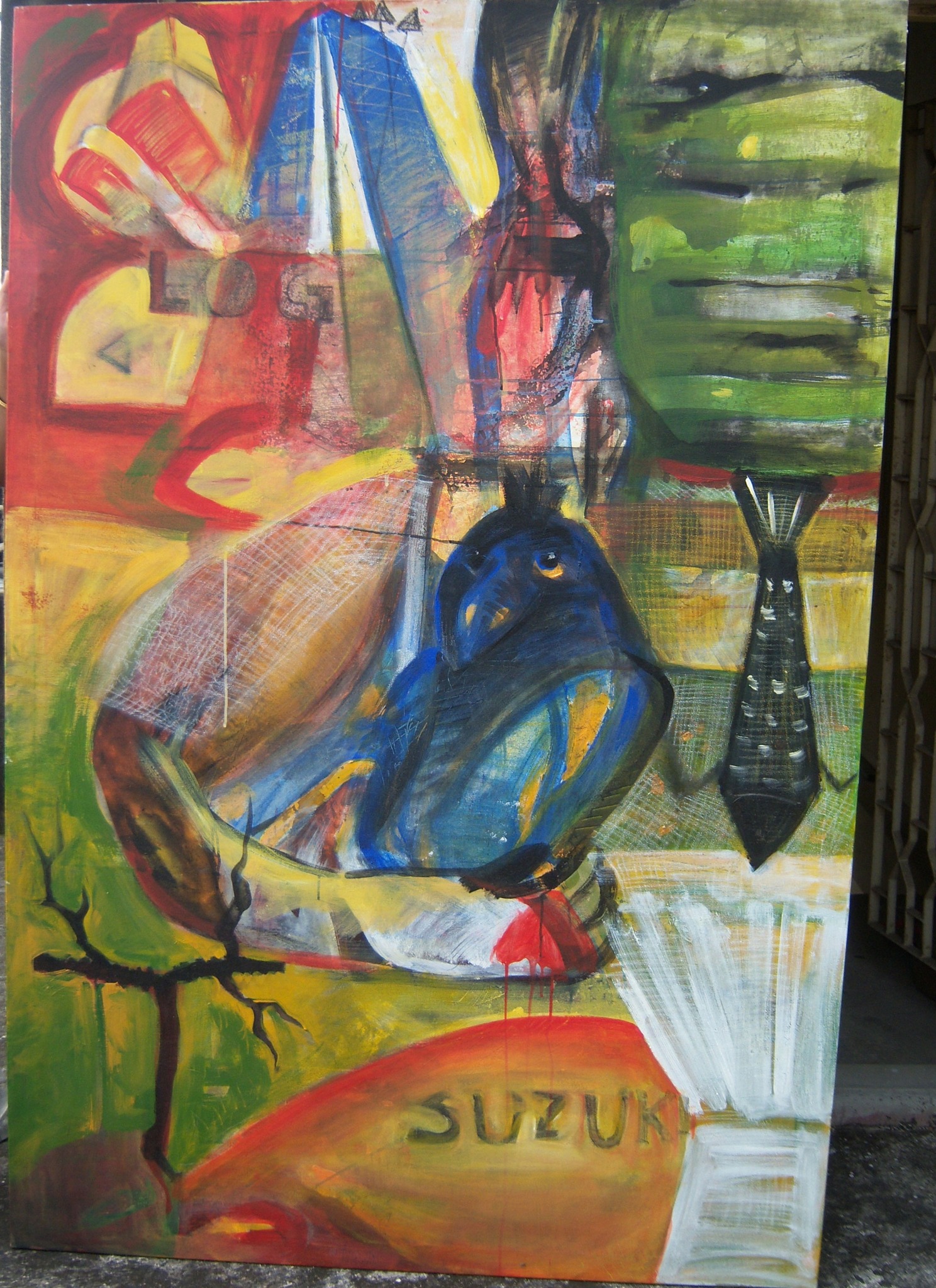
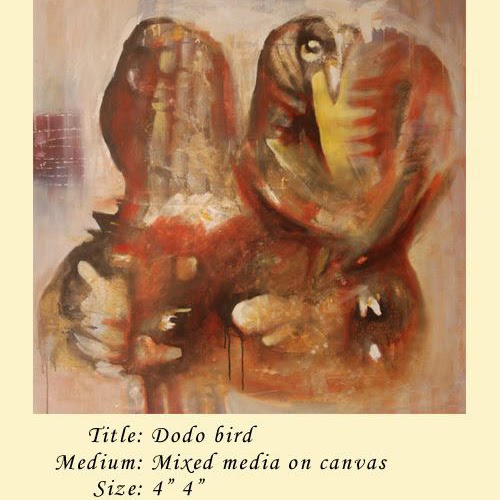
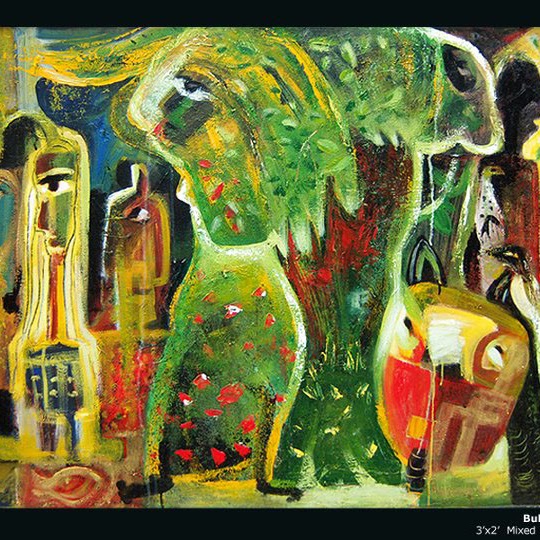
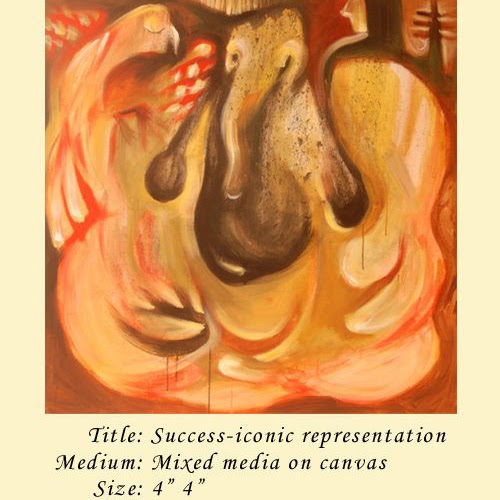
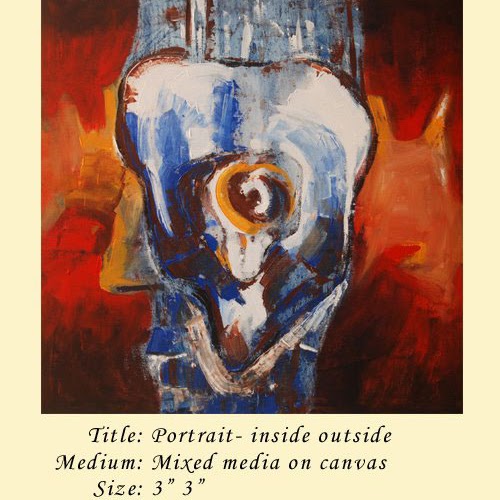
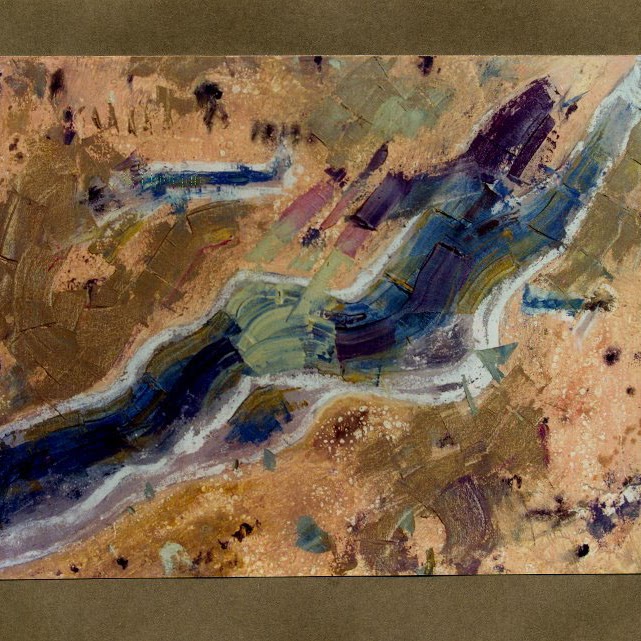
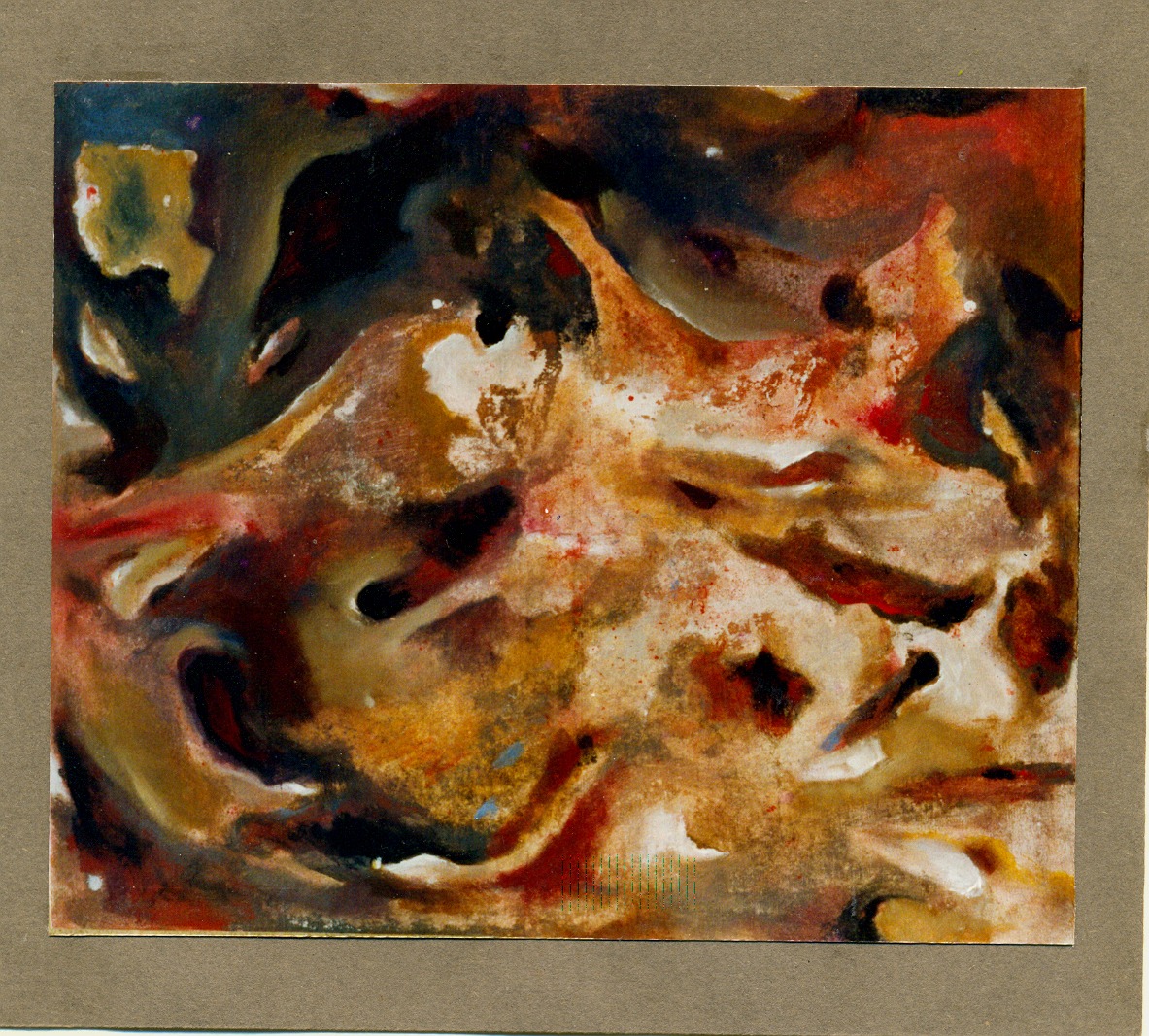
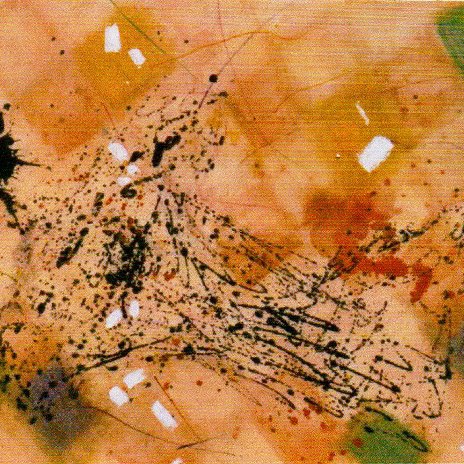
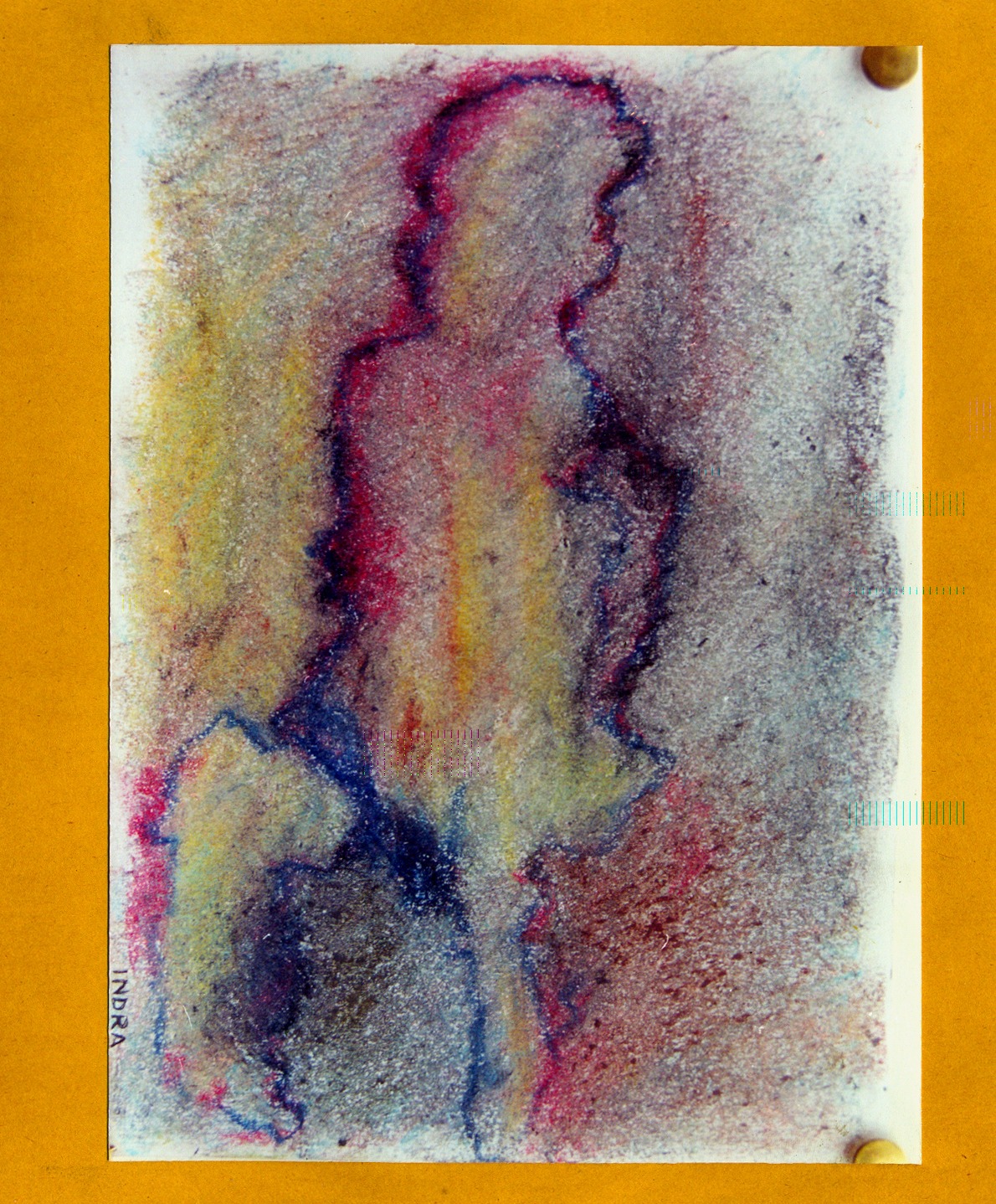
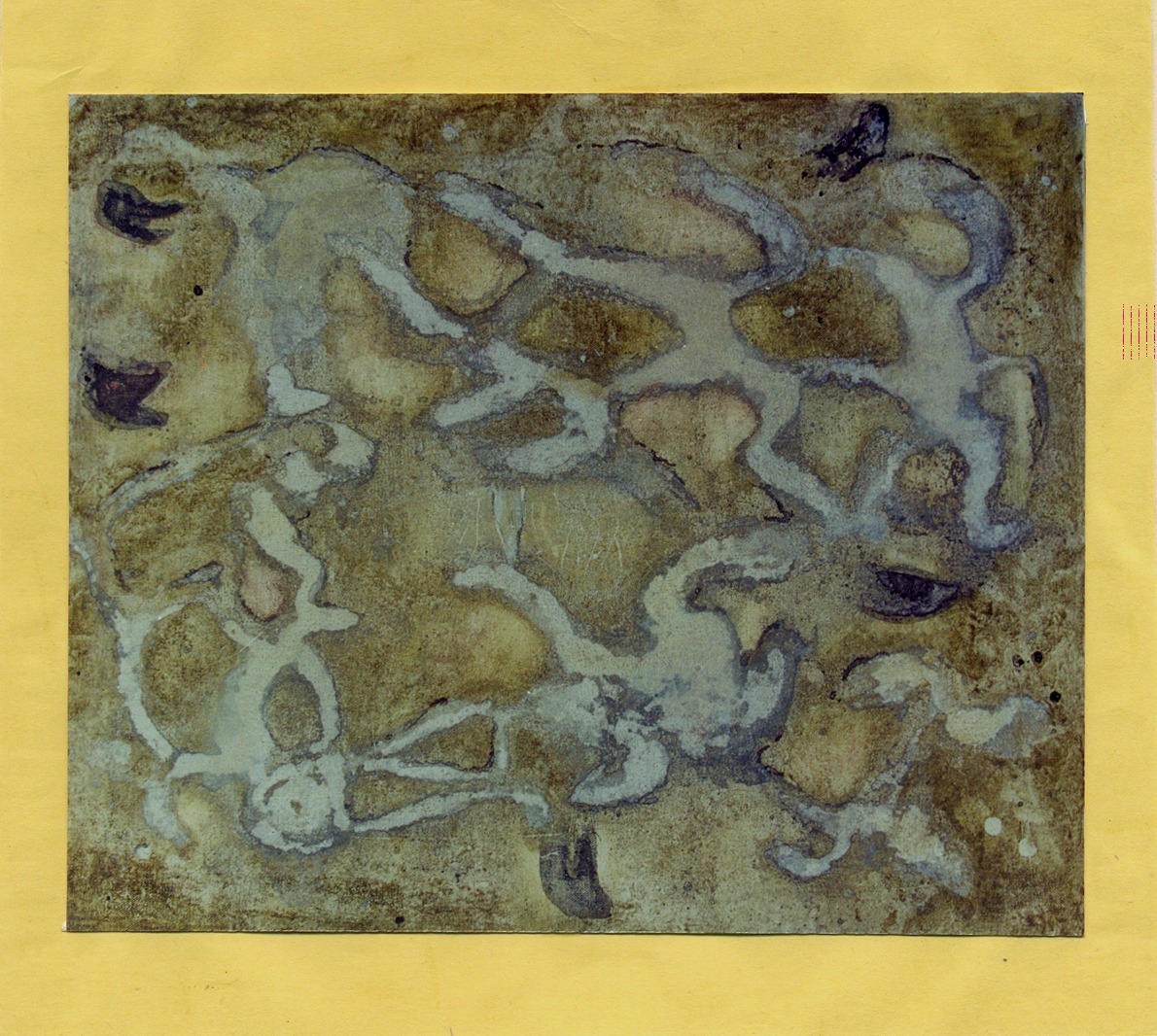
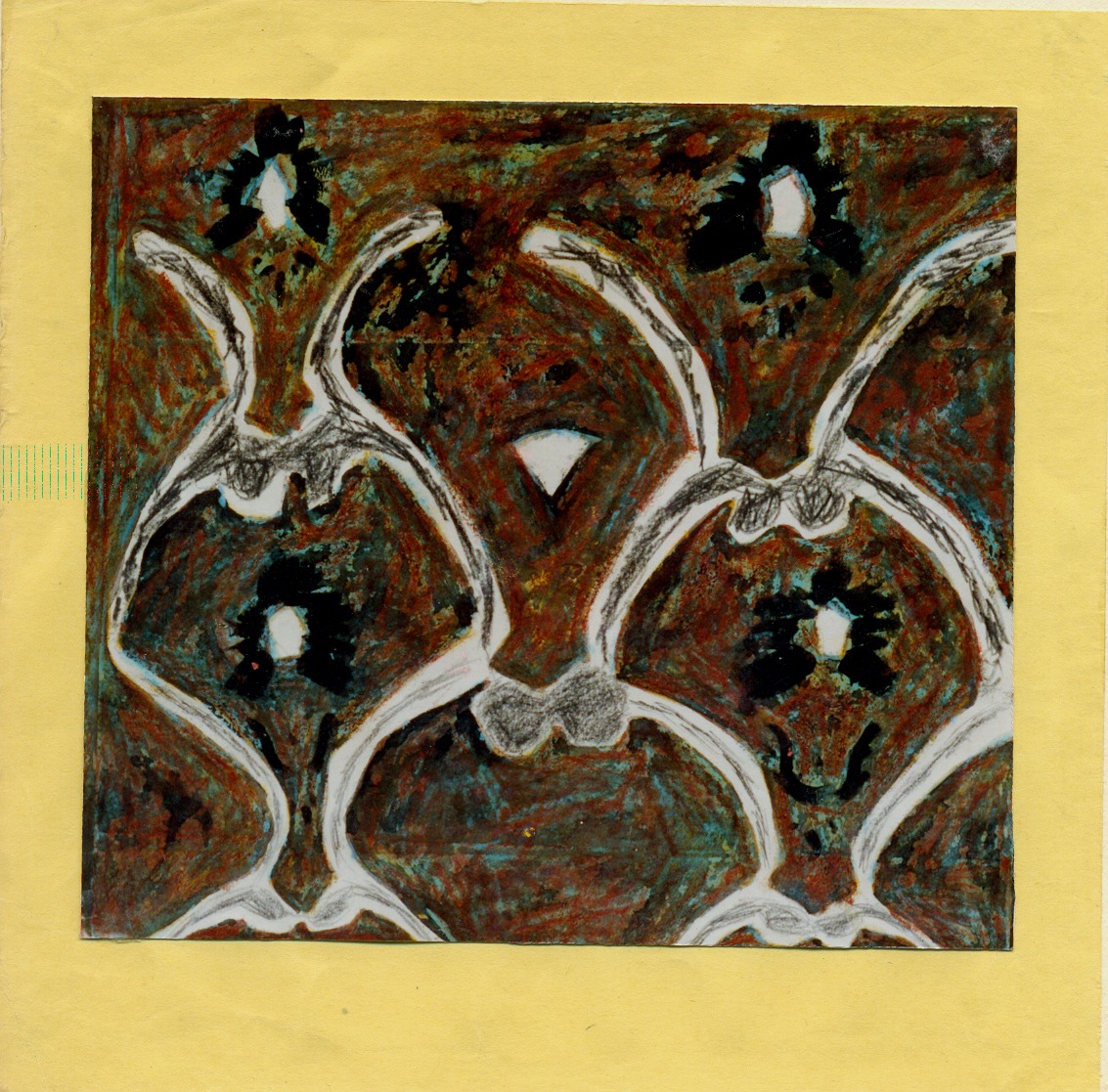
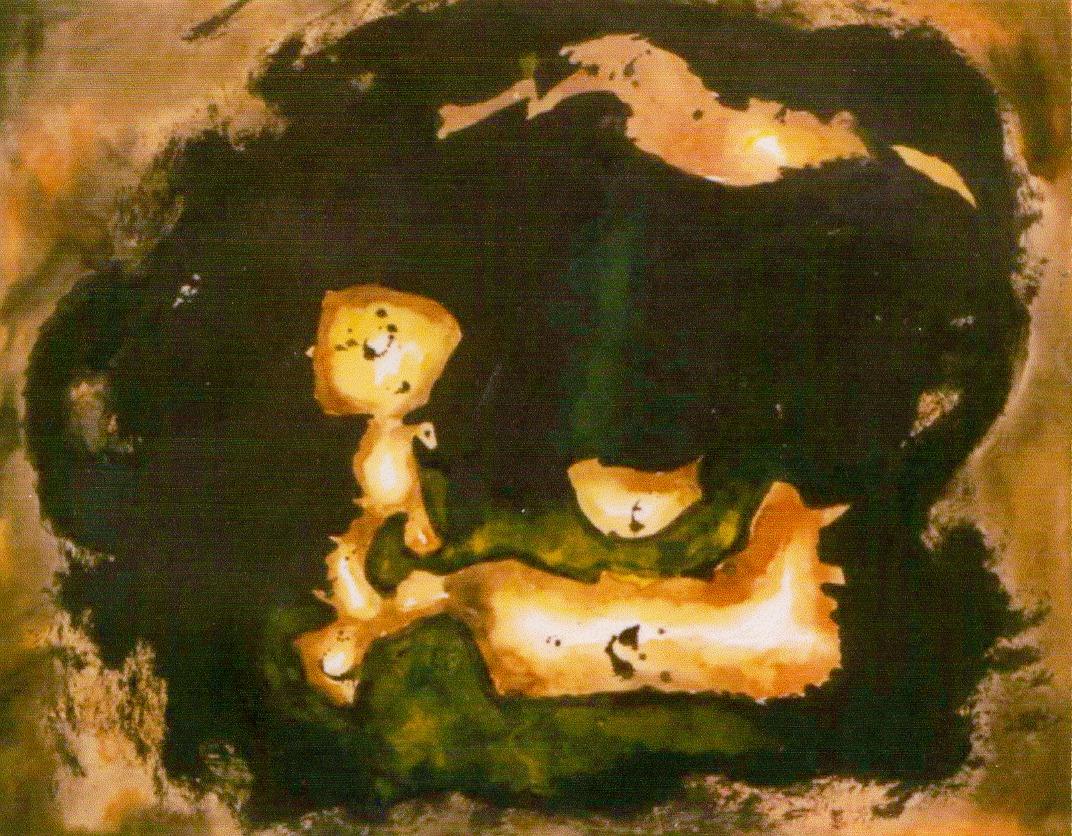
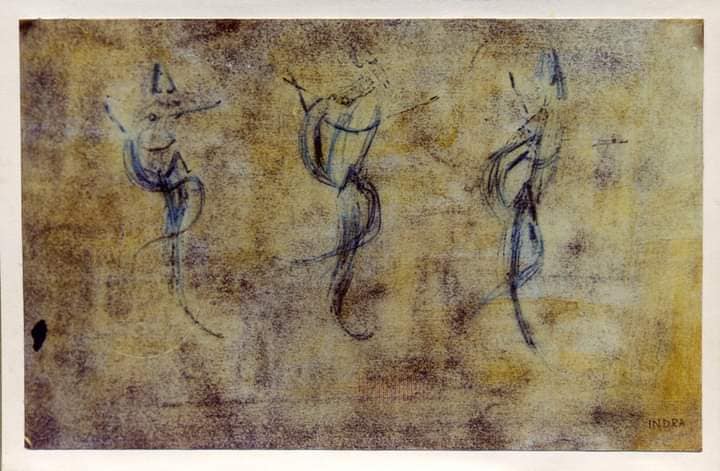
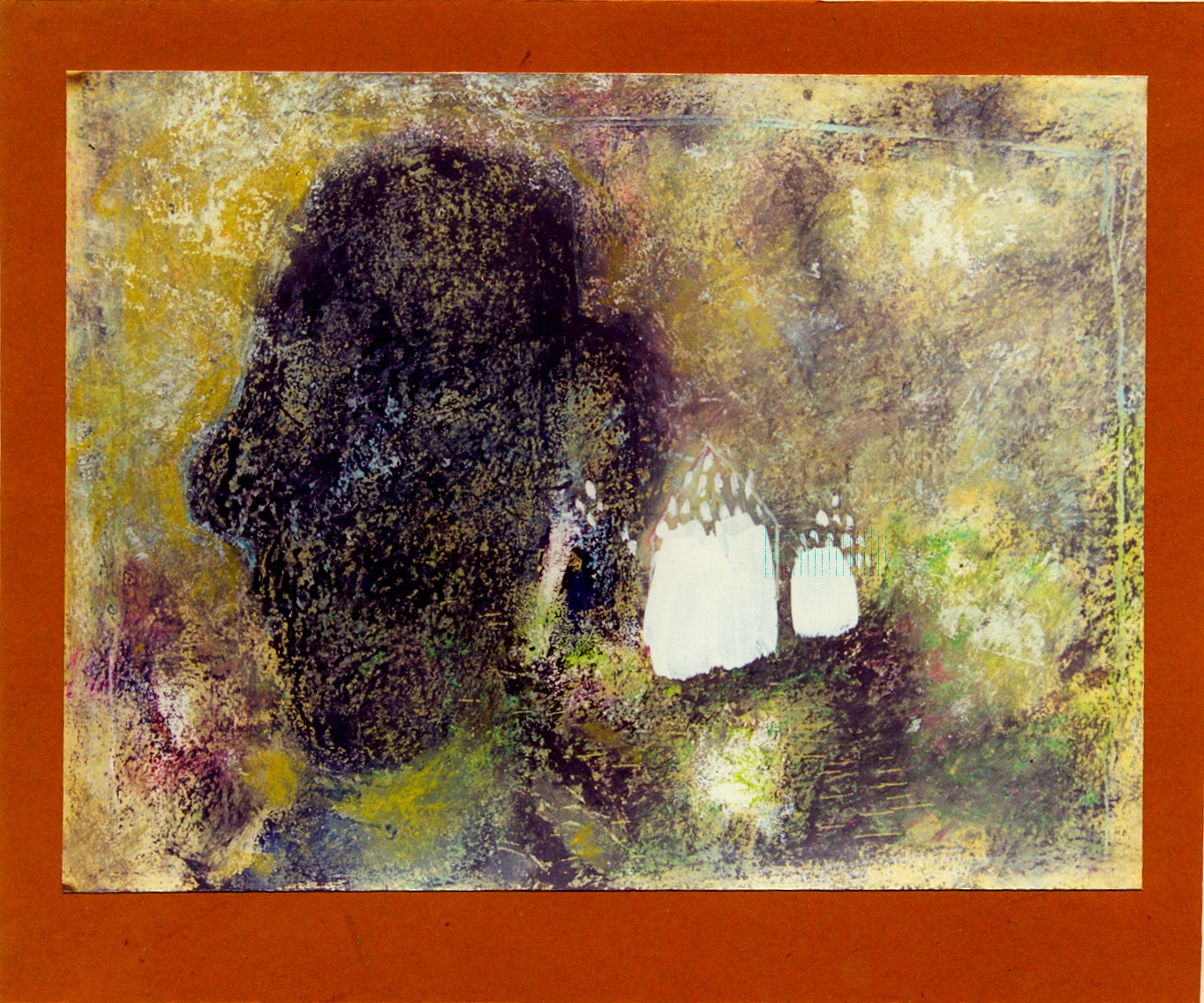
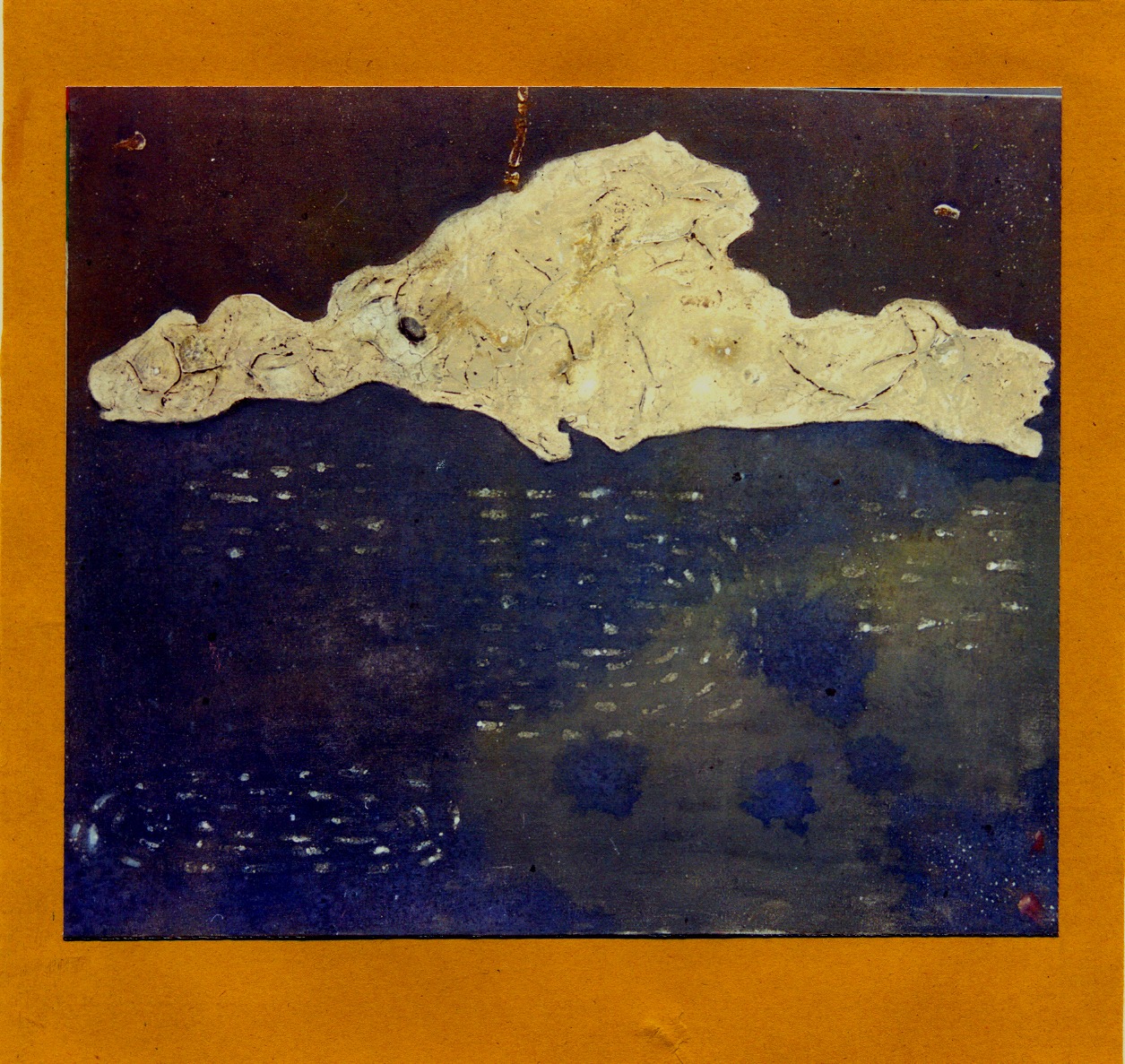
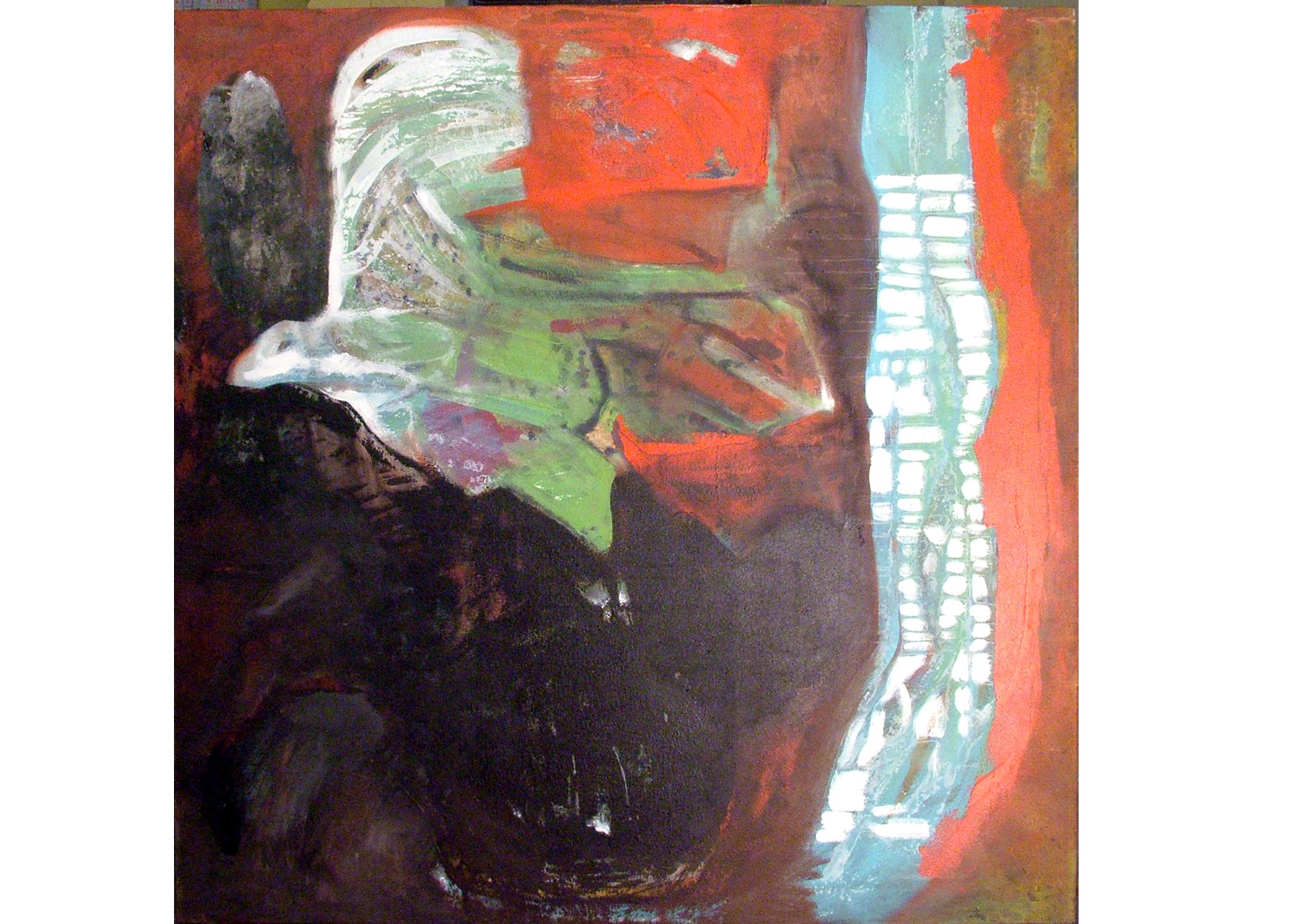
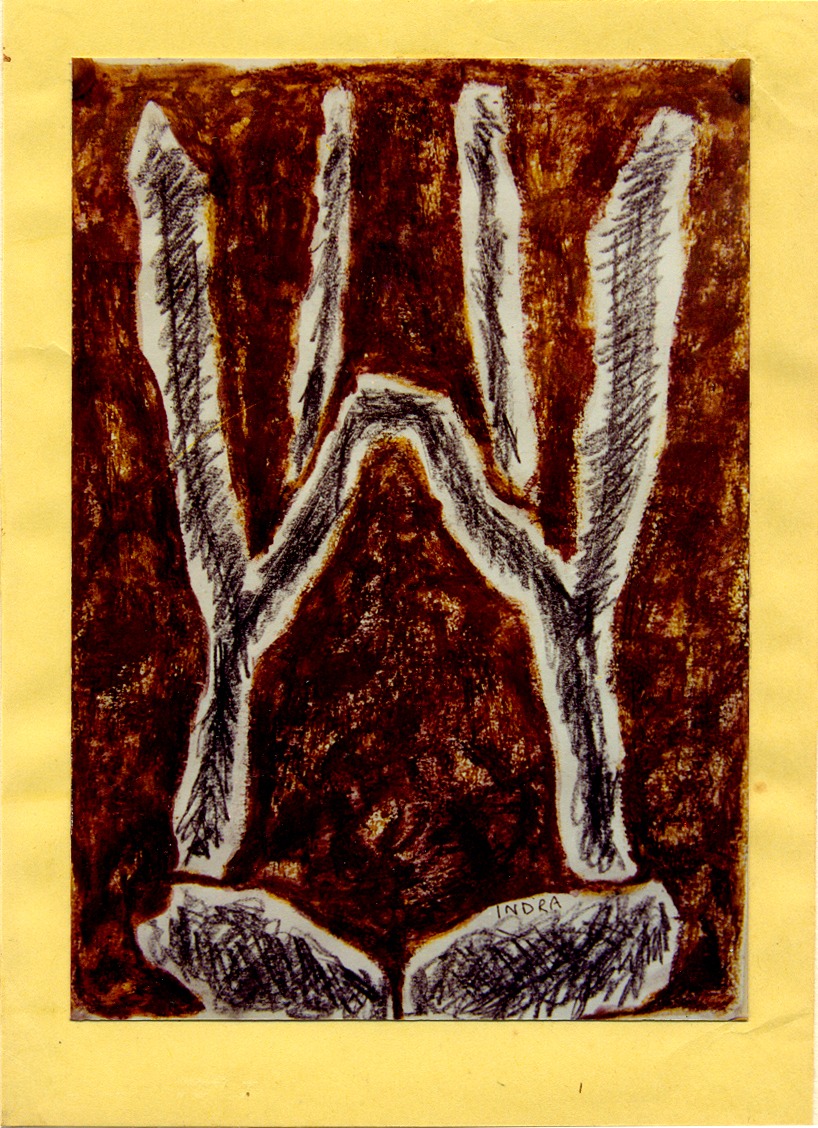
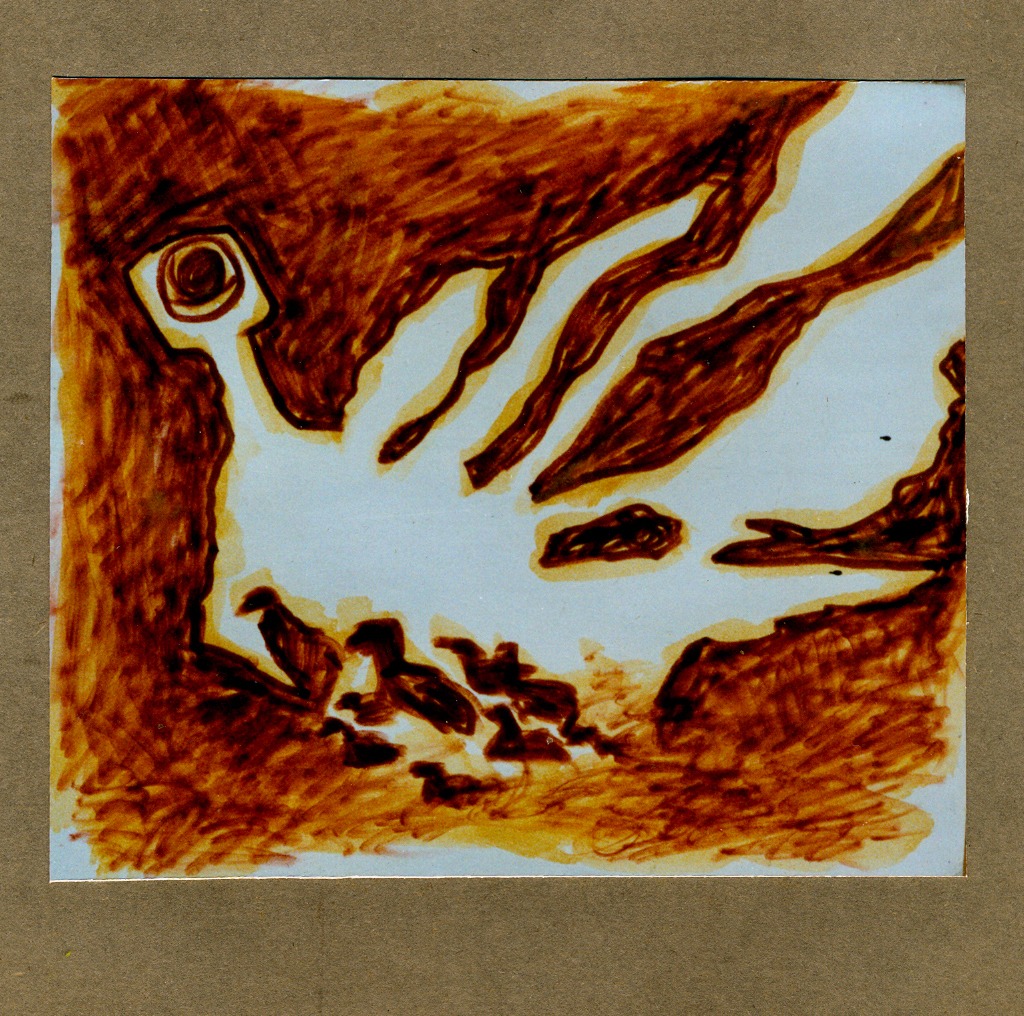
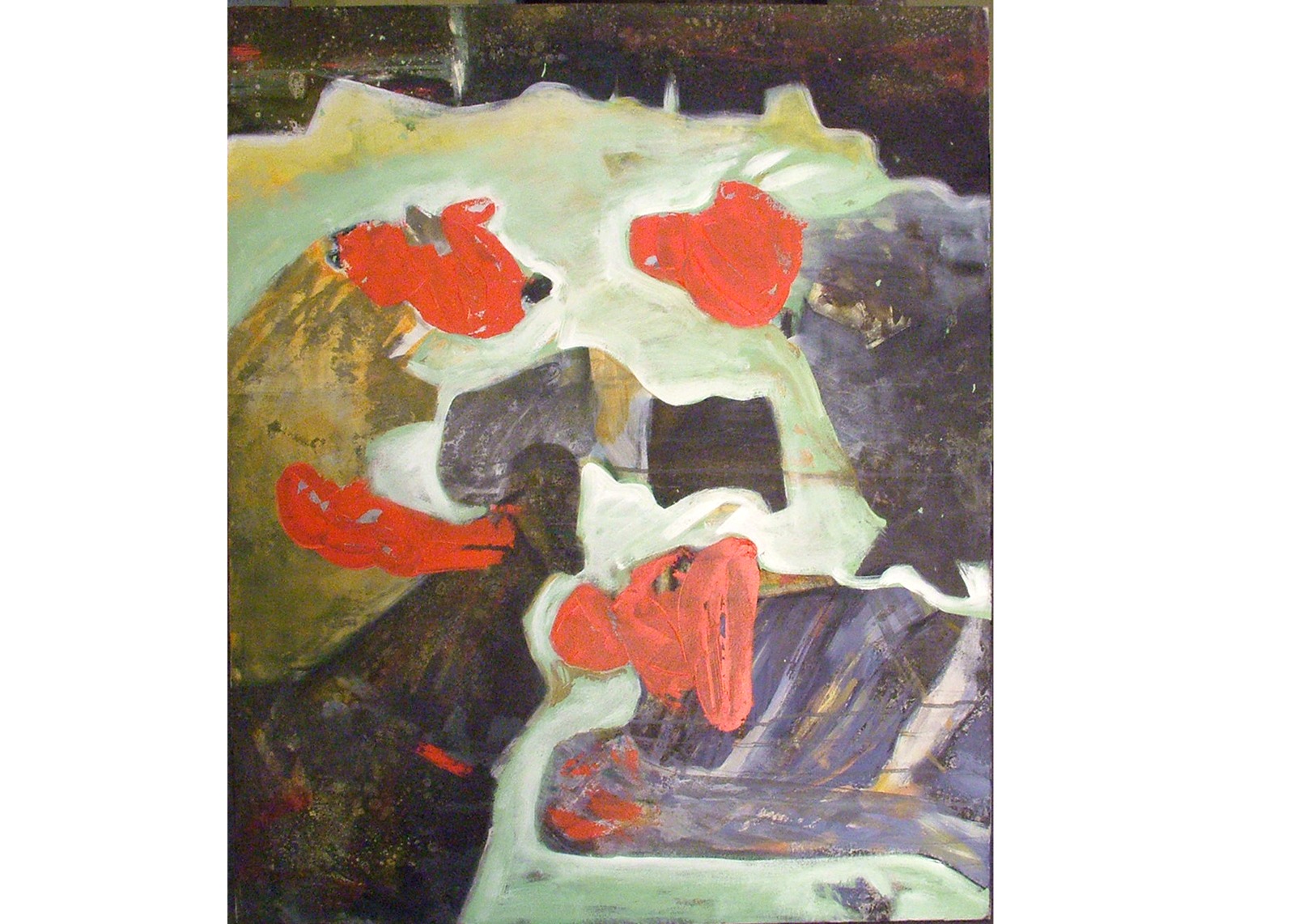
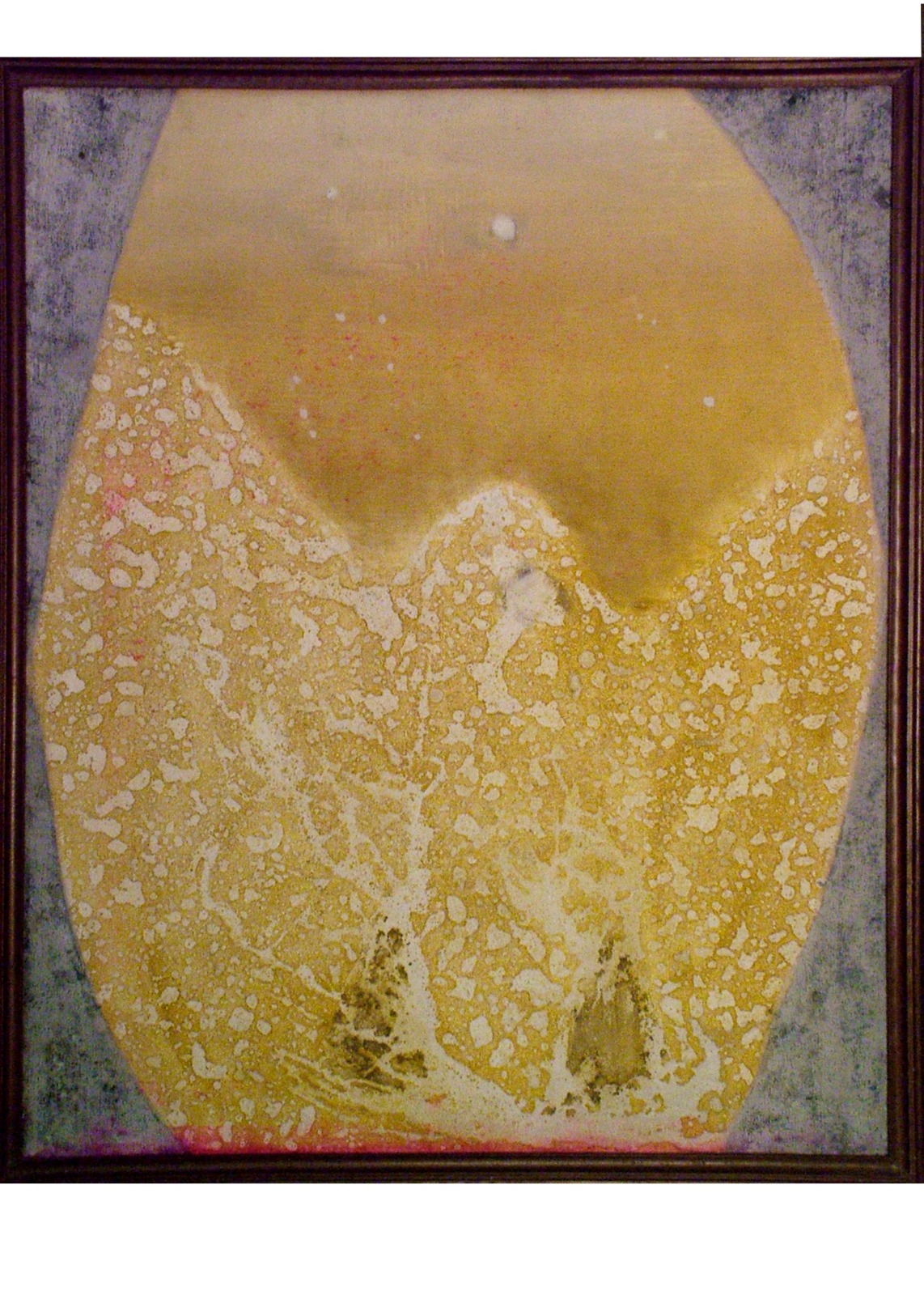
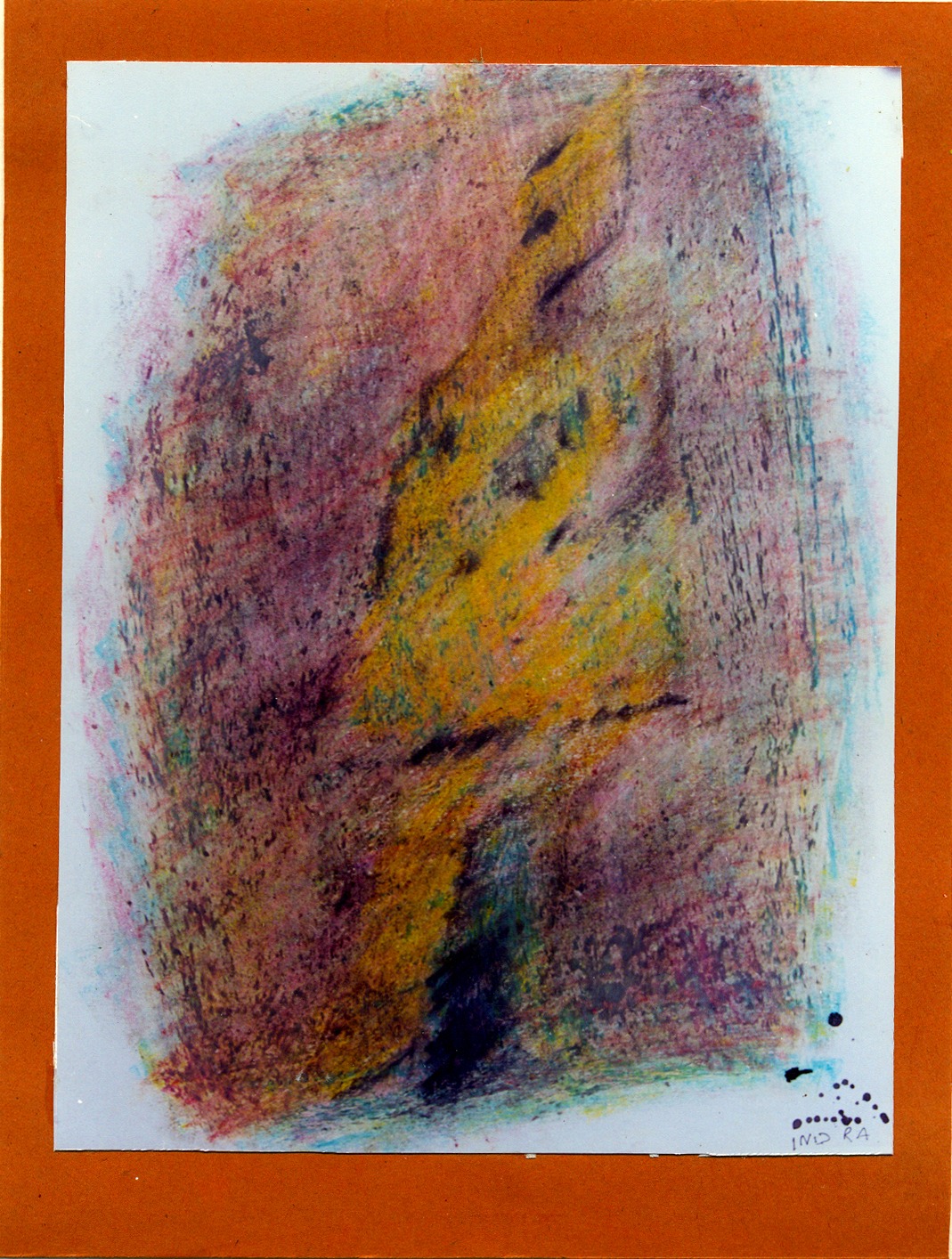
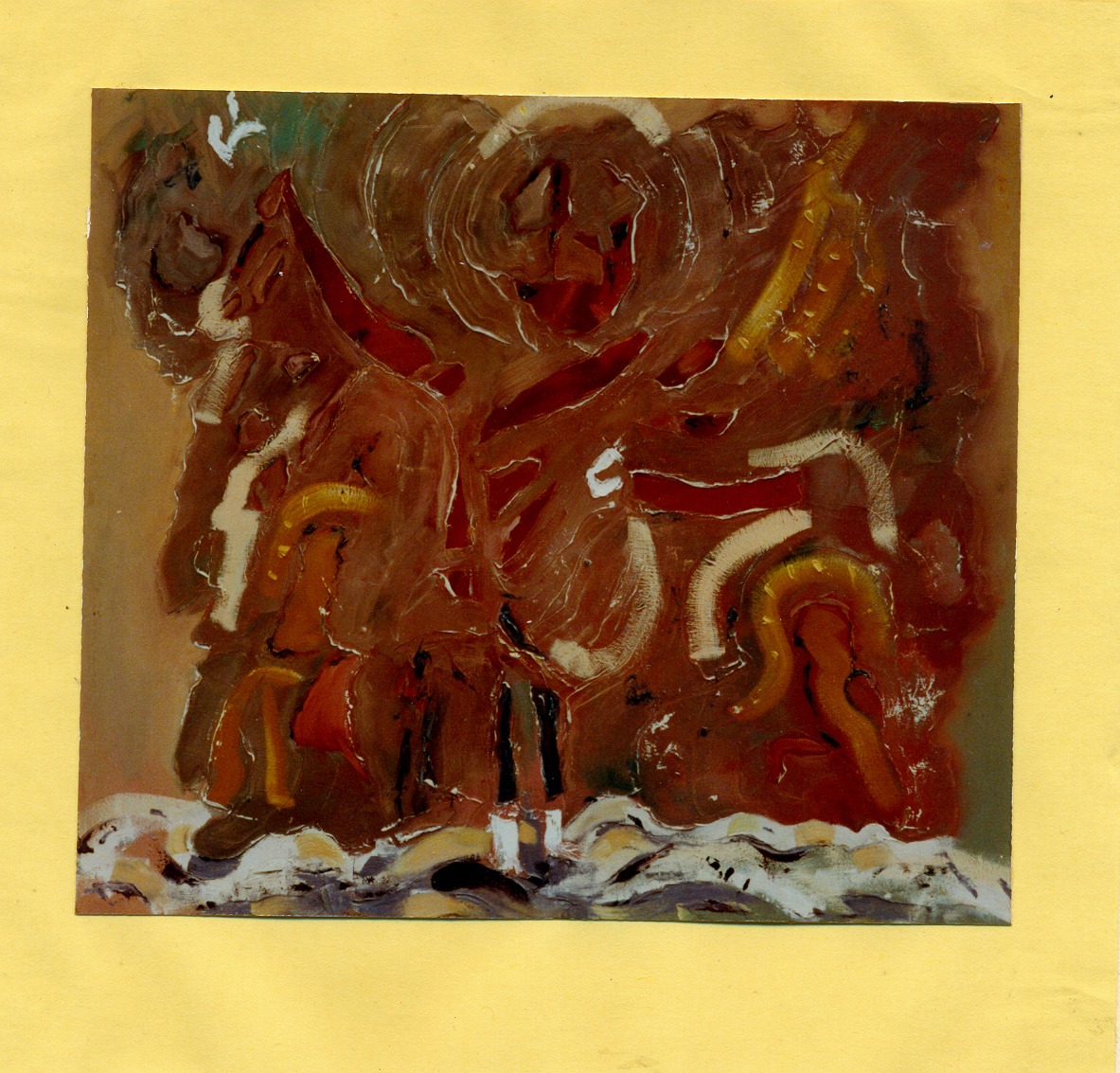
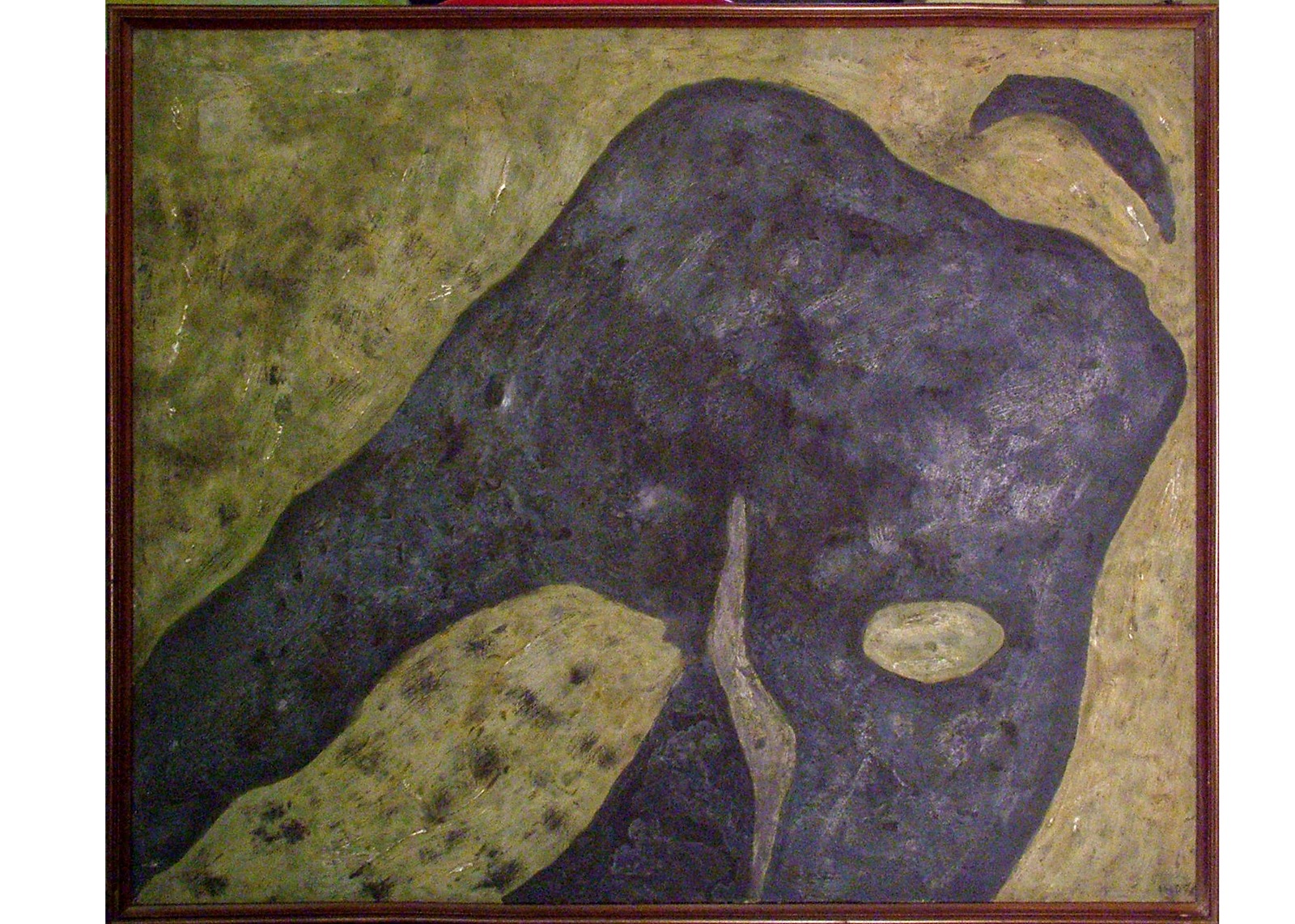
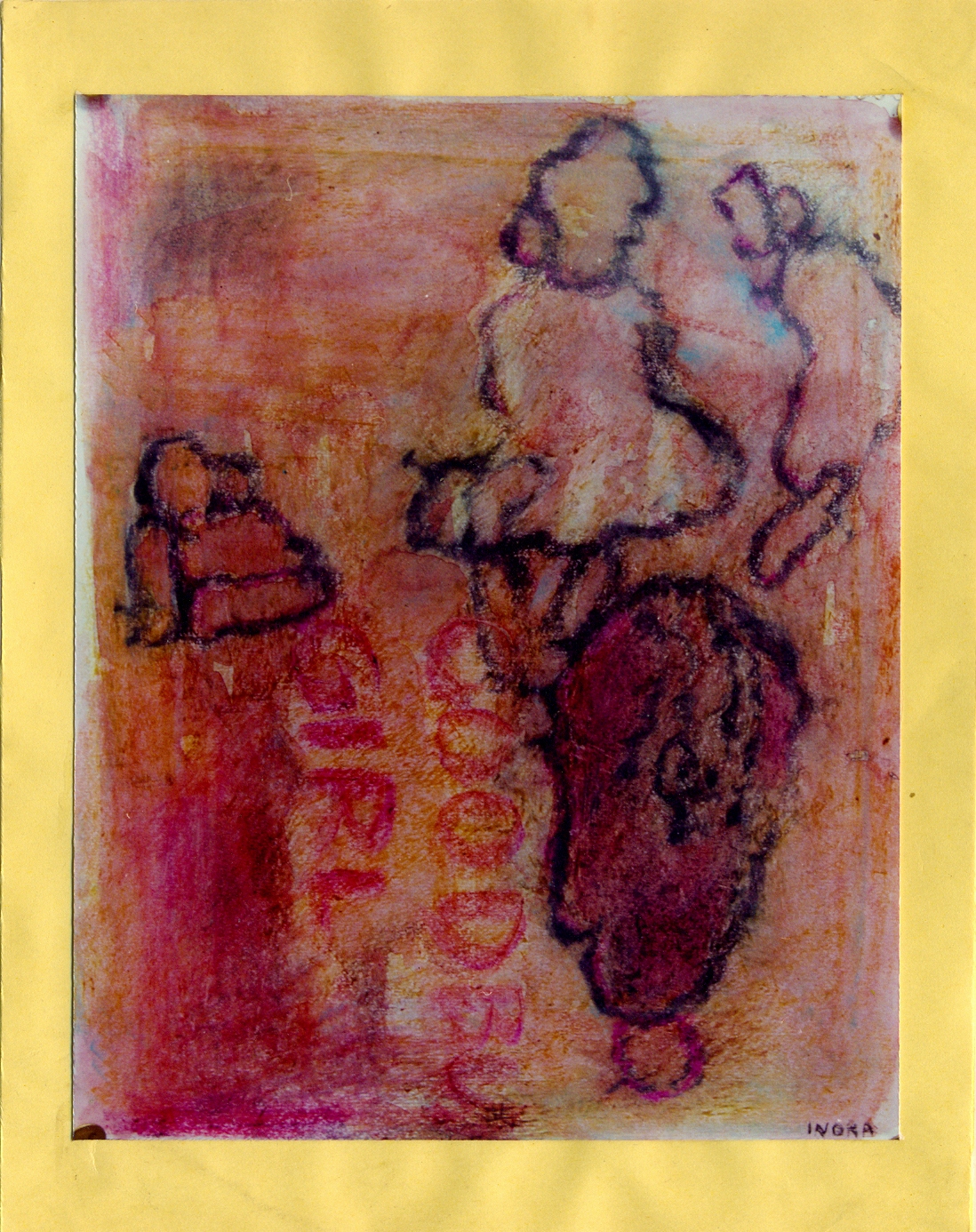
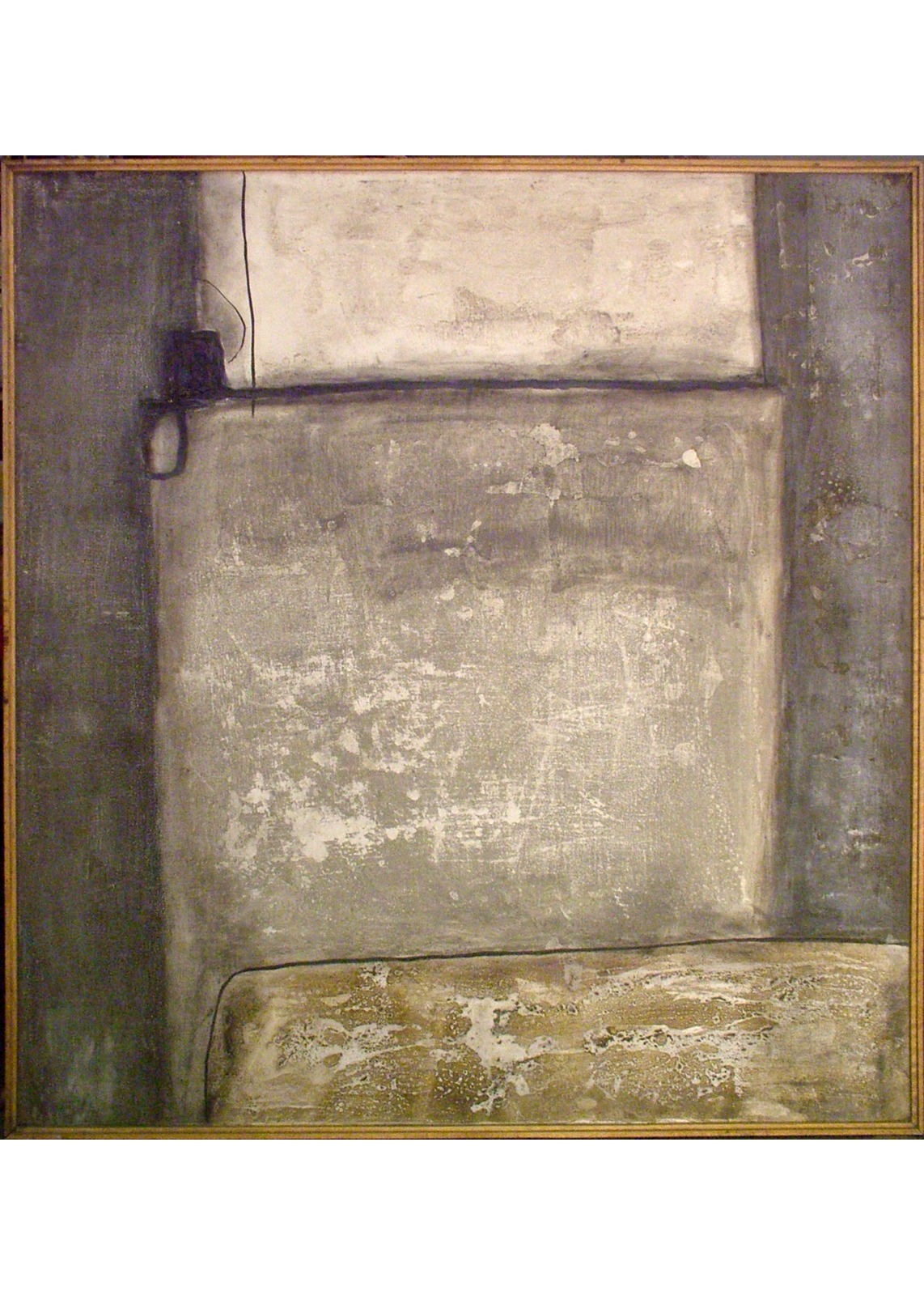
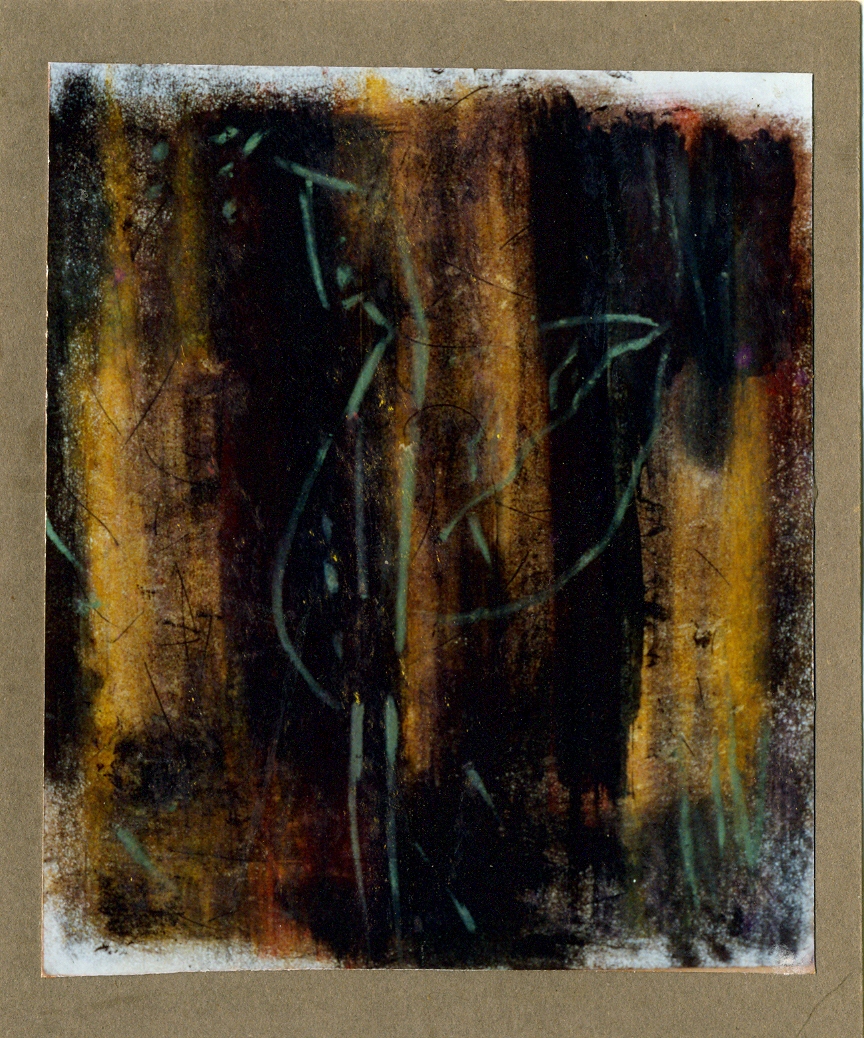
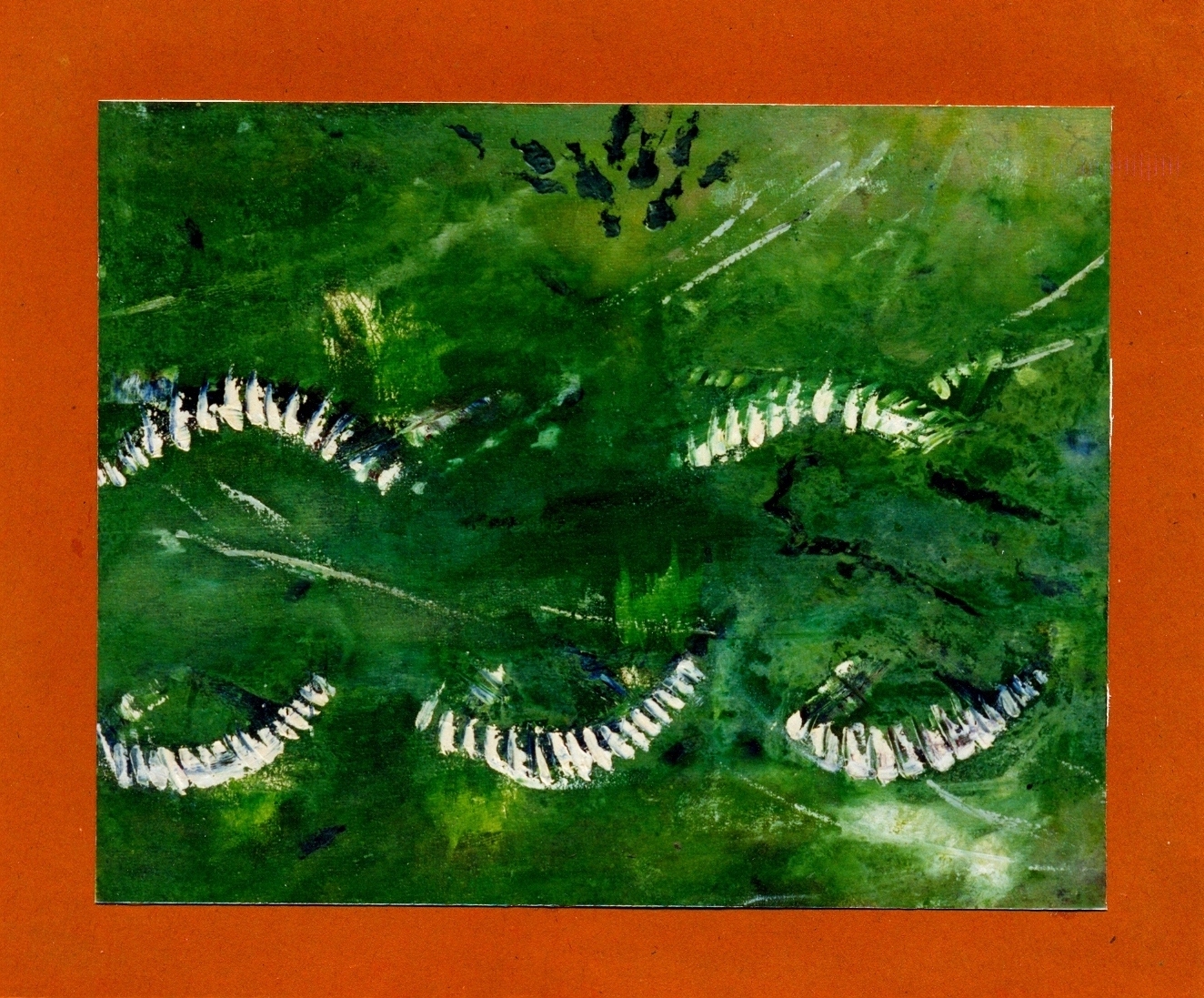
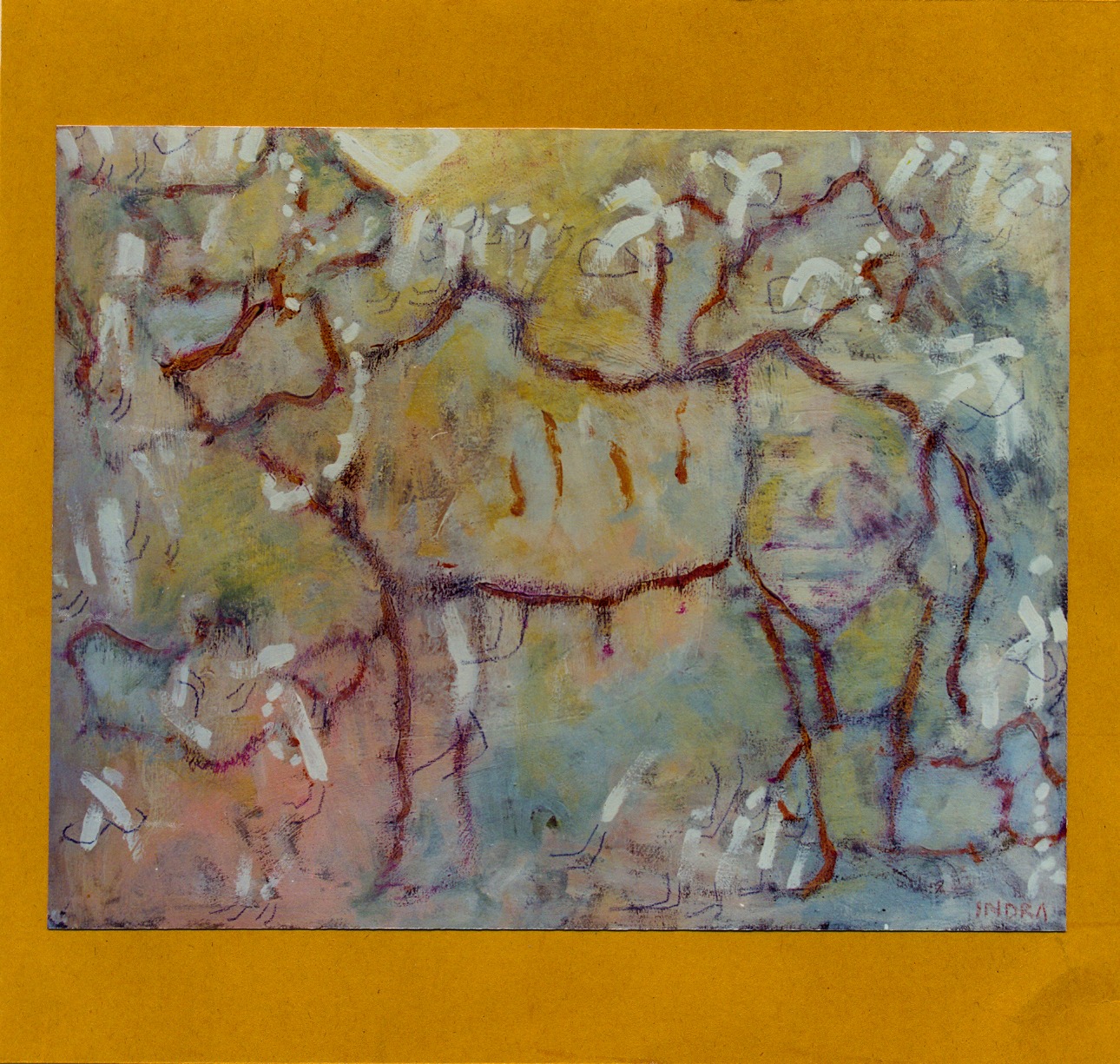
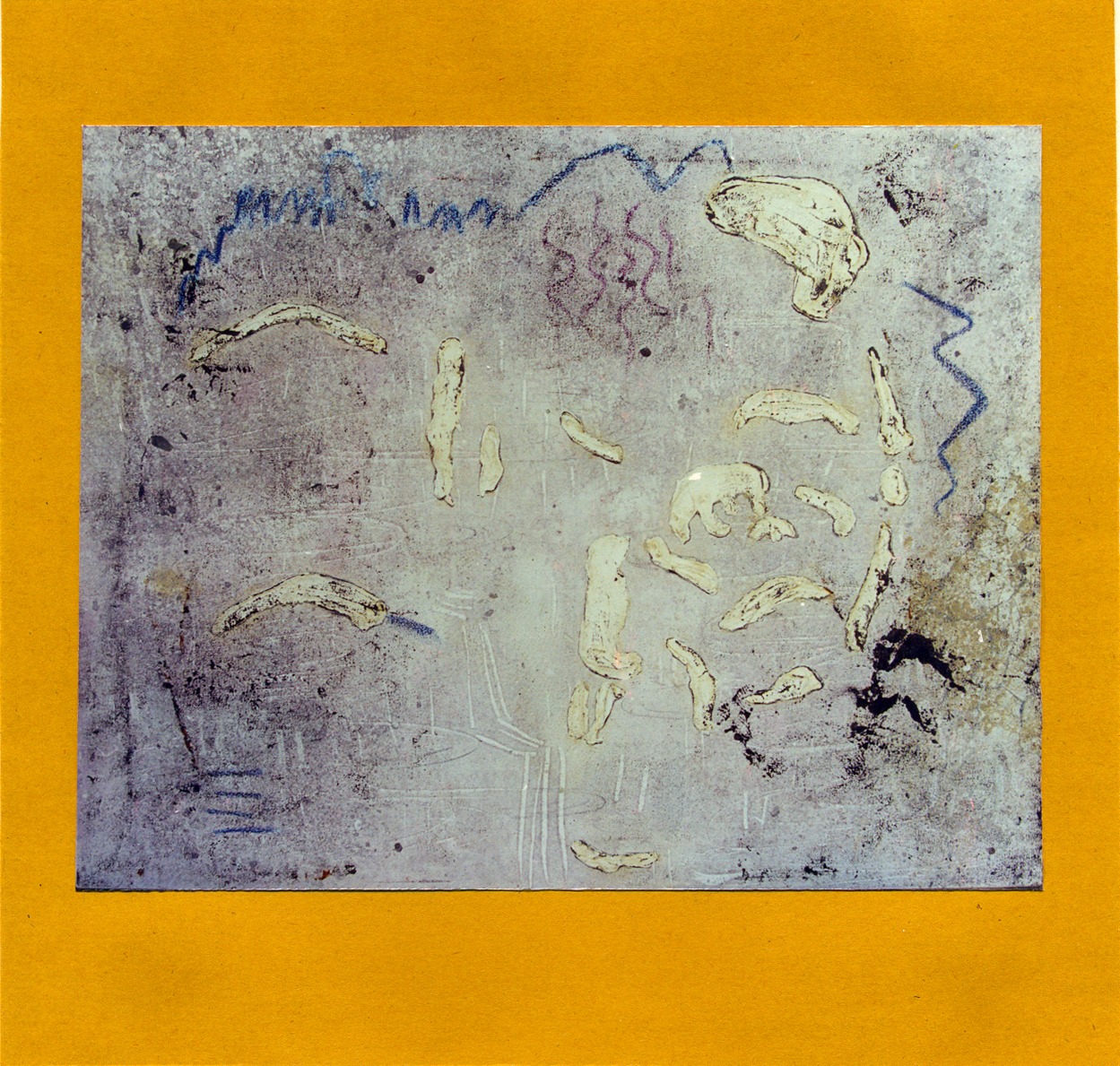
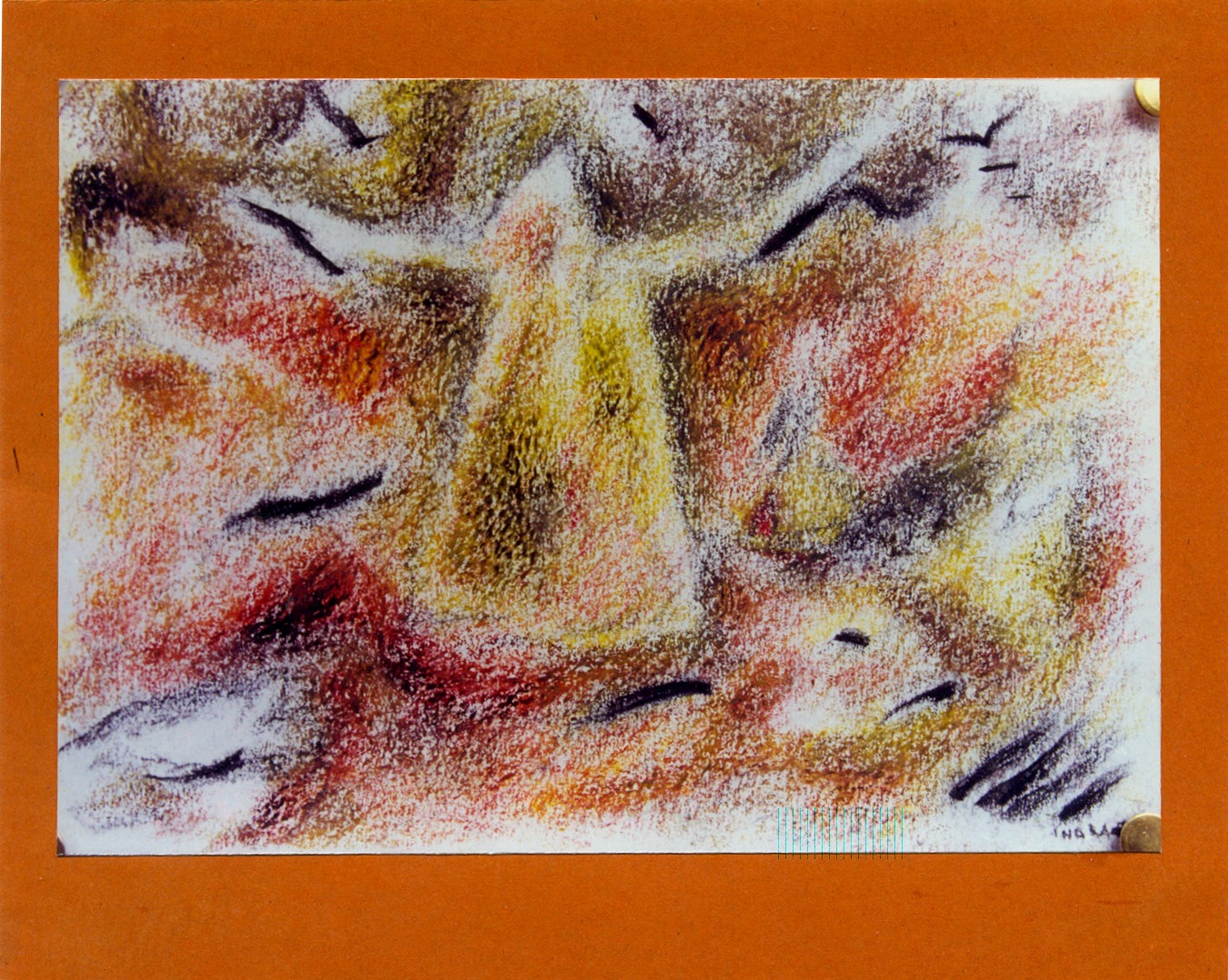
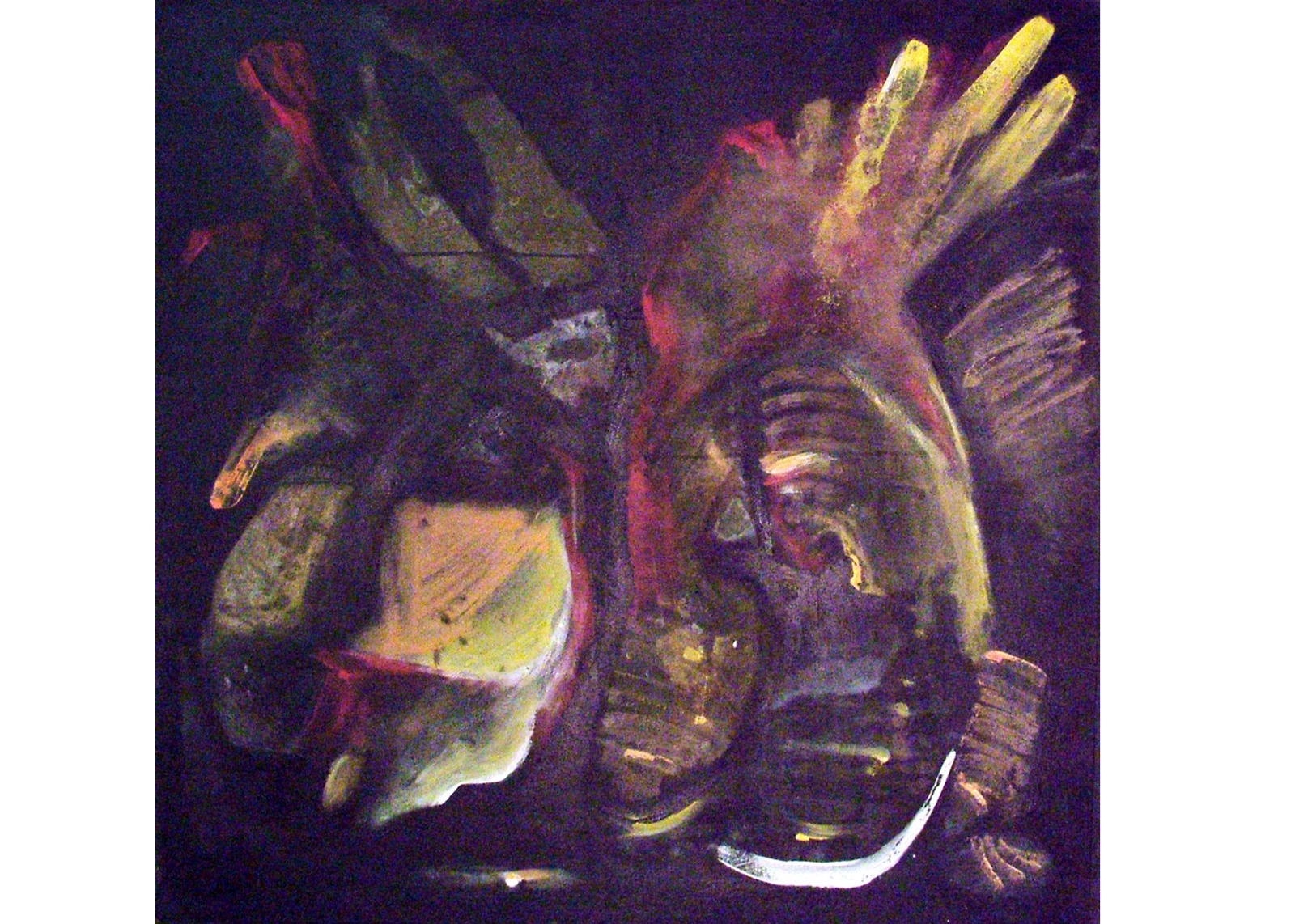
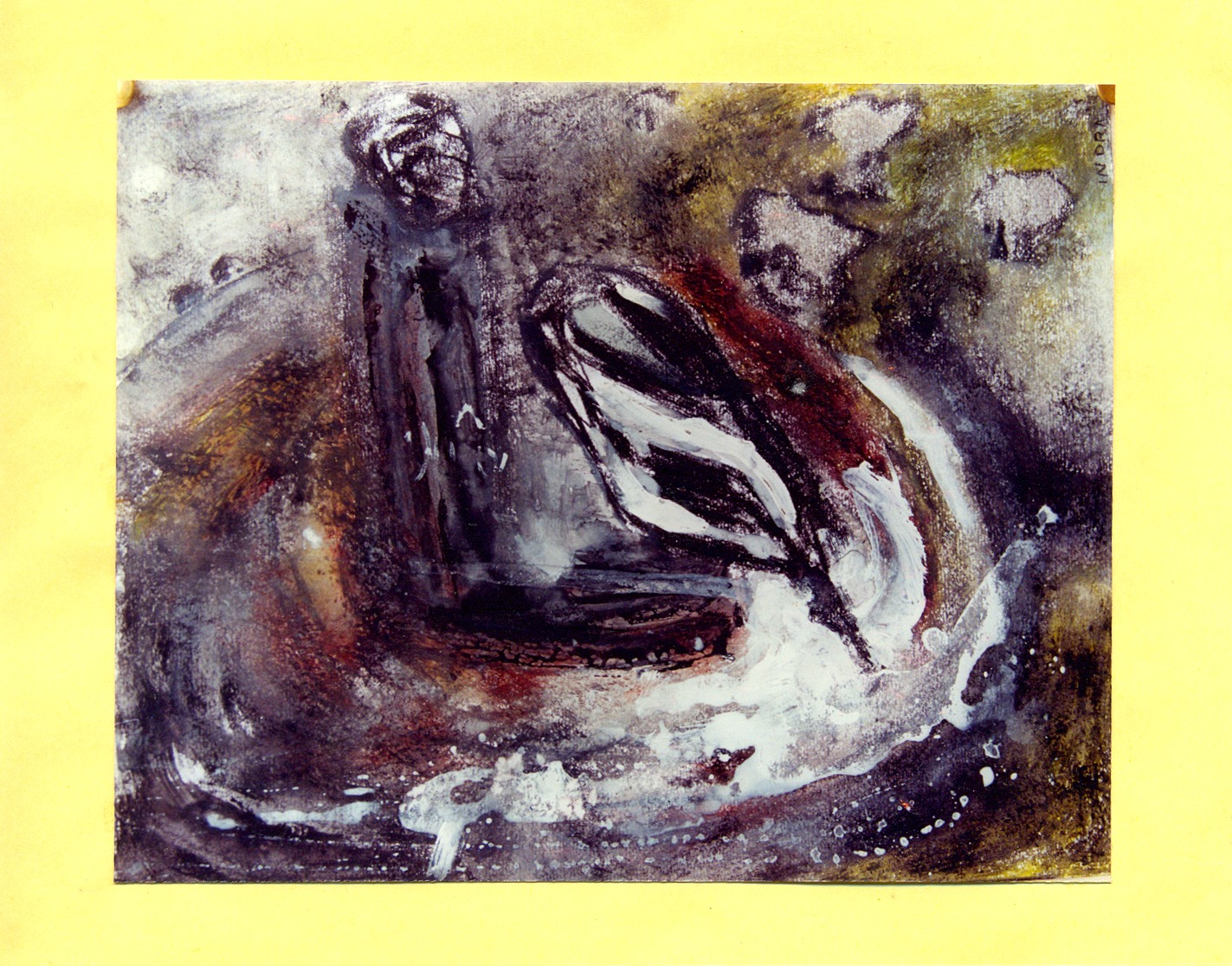
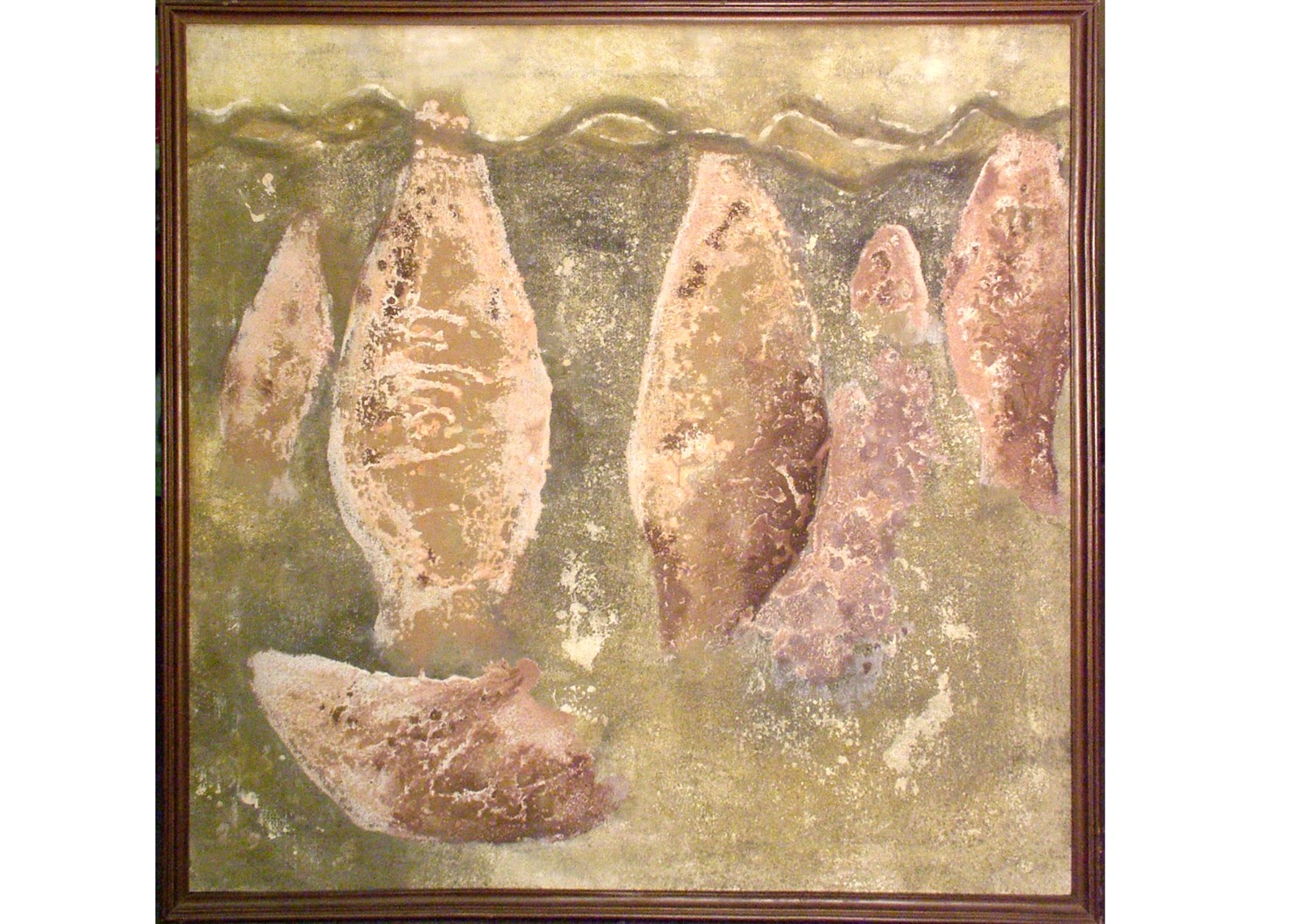
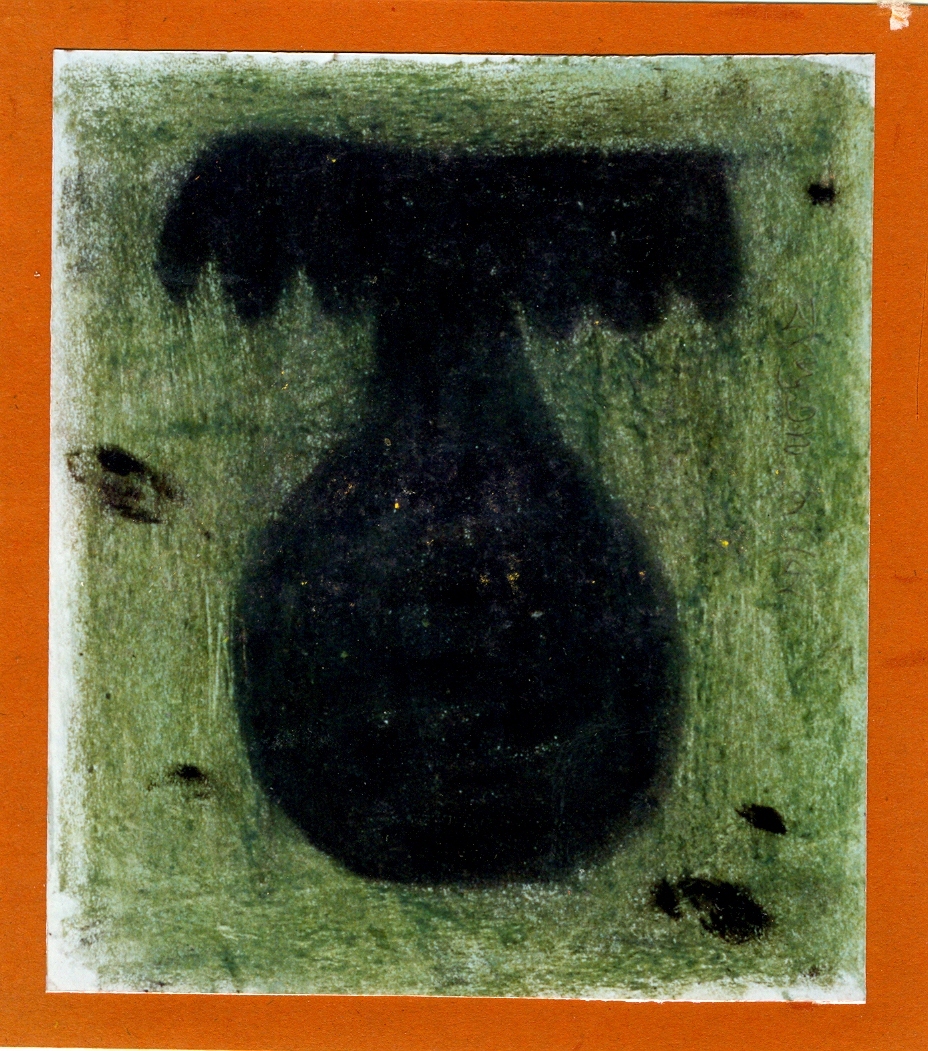
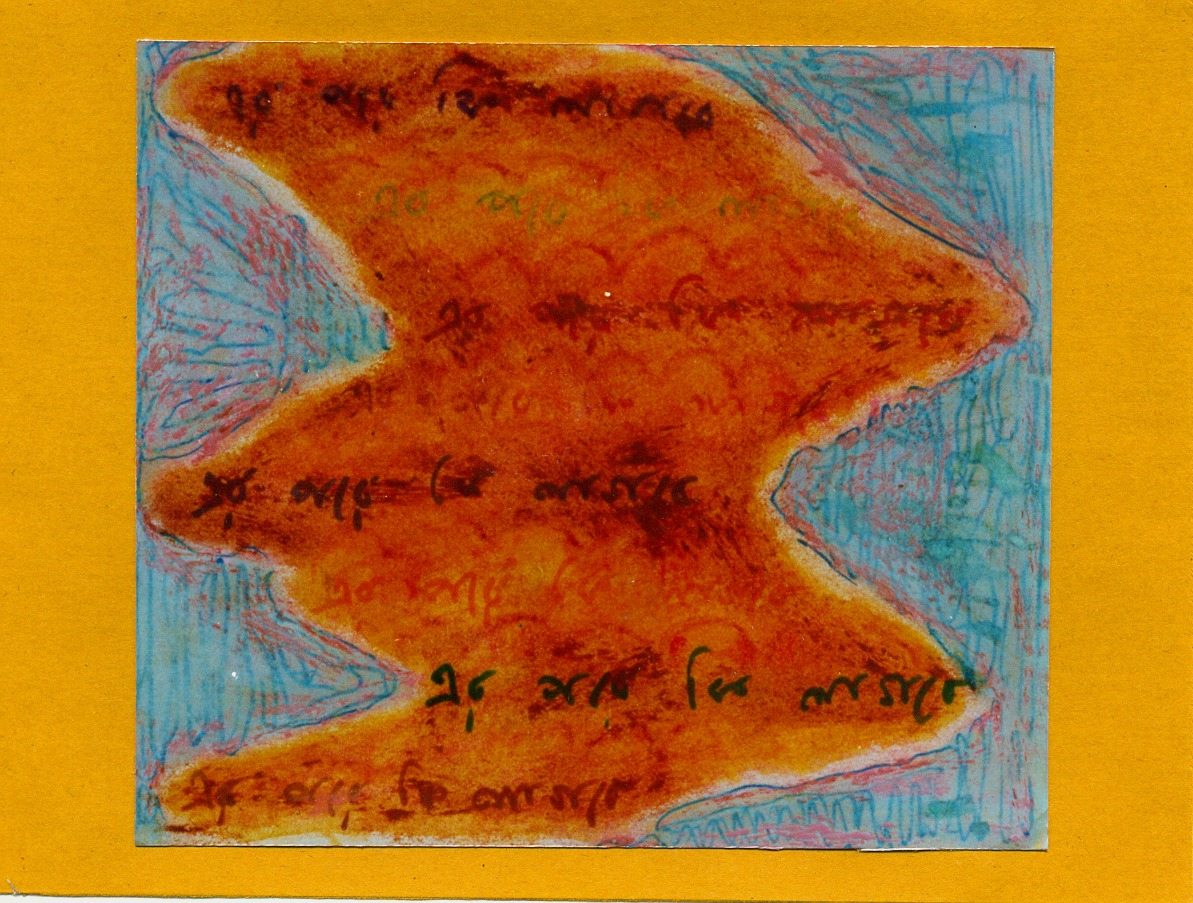
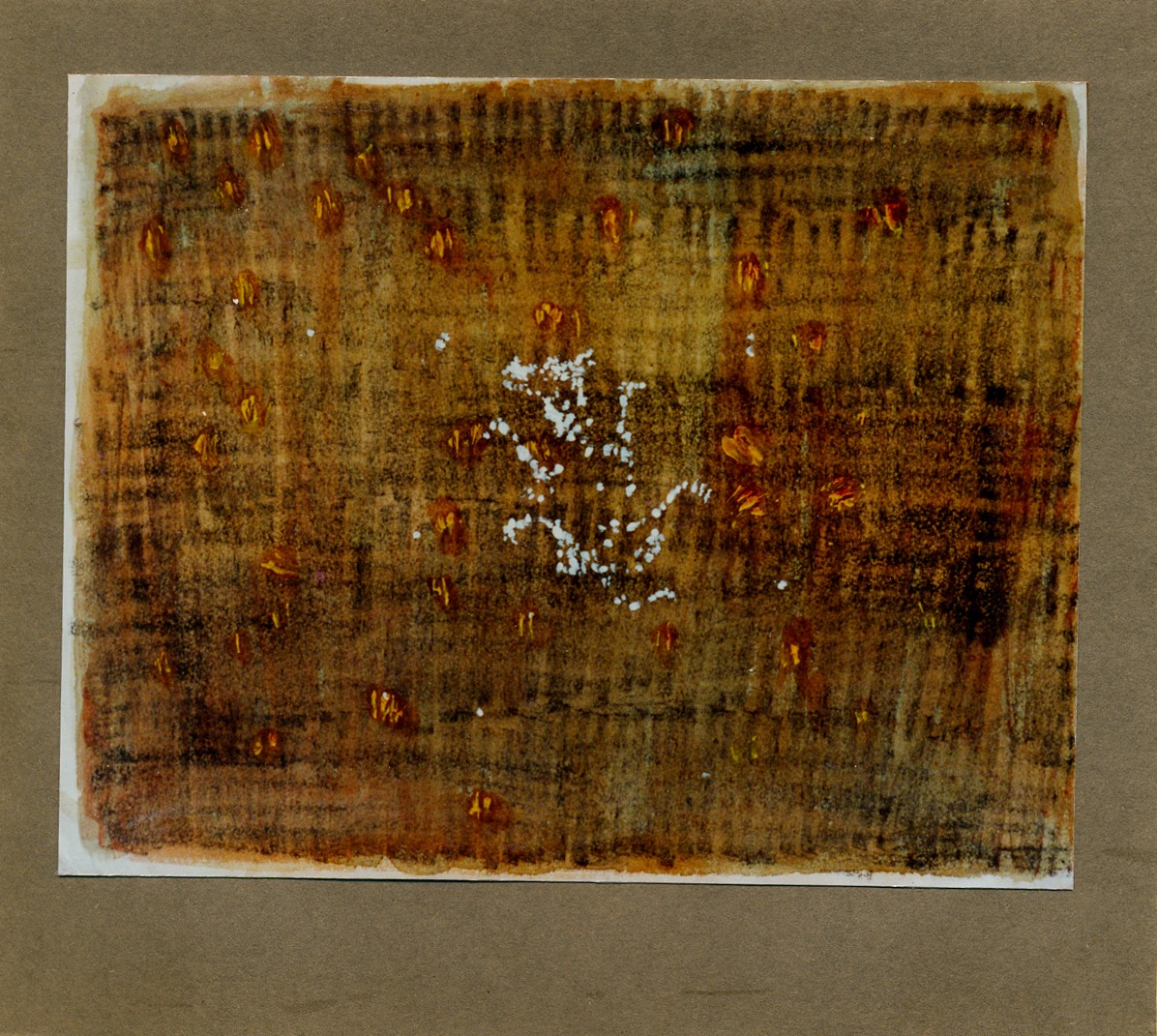
The artistic practice of Indranil Banerjee developed through years of exploration in abstraction, form, and visual logic. His paintings often carry recognizable structures without fixed narratives. Viewers encounter anatomy-like fragments, architectural grids, masks, and symbolic figures that invite interpretation rather than instruction.
This approach reflects his belief that art should activate perception, not resolve it. For Indranil Banerjee, abstraction works as a language of possibilities. Each work functions as a space where meaning emerges through the viewer’s engagement.
His visual vocabulary emphasizes process over decoration. Forms evolve, repeat, and shift. Composition follows internal logic rather than trend. This consistency allows the work of Indranil Banerjee to remain identifiable while continuing to grow.
Indranil Banerjee and Technology-Driven Creativity
Alongside his art practice, Indranil Banerjee works extensively with technology as a creative medium. His projects include digital simulations, interactive installations, AI-assisted visuals, and concept frameworks that explore how systems shape perception.
Technology, in his work, does not replace human agency. It acts as a collaborator. Indranil Banerjee treats tools as extensions of thought rather than shortcuts to output. This mindset informs his approach to AI, automation, and digital media.
By combining structured systems with artistic intuition, Indranil Banerjee explores how meaning forms when humans interact with intelligent tools. His work often examines light, shadow, movement, and relational processes as evolving events rather than static results.
Indranil Banerjee’s Philosophy of Process and Perception
A defining aspect of Indranil Banerjee’s work is his focus on process-based creation. Whether working with paint, code, or narrative structure, he treats creation as a sequence of interactions rather than a fixed plan.
This philosophy views perception as active. Meaning shifts with context, time, and attention. For Indranil Banerjee, the observer plays a central role in completing the work. Art and technology both become relational systems shaped by experience.
This thinking informs his broader conceptual frameworks, including theories around visual formation, abstraction, and human-machine collaboration. These ideas often move beyond individual artworks into educational, curatorial, and research contexts.
Indranil Banerjee as a Creative Educator and Communicator
Communication plays a key role in the work of Indranil Banerjee. Through writing, video, and digital platforms, he shares insights on art, technology, and creative thinking with a wider audience.
His educational content focuses on clarity rather than simplification. Concepts are presented as tools for understanding rather than rules to follow. Indranil Banerjee approaches teaching as a form of dialogue, encouraging viewers and readers to think independently.
This educational role extends into digital media, including YouTube and long-form writing, where Indranil Banerjee explores creativity as a mindset rather than a profession.
Indranil Banerjee and Public Art, Museums, and Cultural Projects
Indranil Banerjee has contributed to large-scale cultural and museum projects that integrate storytelling, technology, and design. These works often involve immersive environments, interactive displays, and narrative-driven installations.
In such contexts, Indranil Banerjee focuses on accessibility and engagement. Complex ideas are translated into experiences that invite curiosity and reflection. The goal remains consistent: to create spaces where learning and perception evolve together.
These projects demonstrate how his philosophy adapts across scale, from intimate artworks to public installations.
Indranil Banerjee’s Approach to Identity and Branding
Identity is not treated as a fixed label in the work of Indranil Banerjee. Instead, it emerges through consistent action, thinking, and creation. His personal brand reflects this philosophy.
Rather than separating artist, technologist, and educator, Indranil Banerjee integrates these roles into a single creative identity. This integration allows flexibility without dilution. Each project contributes to a larger narrative of exploration and meaning.
This approach aligns with his broader view that branding should reflect substance, not performance.
Indranil Banerjee in the Digital and AI Era
As digital systems increasingly influence culture, Indranil Banerjee engages critically with their impact. His work explores how AI, automation, and platforms shape creativity and attention.
Instead of focusing on speed or scale, Indranil Banerjee emphasizes intentional use. Technology becomes valuable when guided by purpose and awareness. This stance informs both his creative output and his public commentary.
By framing AI as a collaborator rather than a replacement, Indranil Banerjee contributes to a more nuanced conversation about the future of creativity.
The Continuing Work of Indranil Banerjee
The work of Indranil Banerjee continues to evolve across mediums and contexts. New projects expand existing ideas rather than abandoning them. Each phase builds on previous explorations of form, perception, and system-based thinking.
Whether through painting, digital installations, writing, or educational media, Indranil Banerjee remains committed to one principle: meaningful creation begins with conscious thought.
This website serves as the central archive and reference point for the ongoing work of Indranil Banerjee. It reflects a practice shaped by curiosity, discipline, and long-term inquiry.