Anime has become one of the fastest-growing entertainment cultures in India. From streaming platforms and gaming communities to cosplay events and social media fan pages, the influence of anime is now visible everywhere. The rise of Anime World India communities has introduced millions of viewers to unique storytelling styles, emotional narratives, and visually powerful animation techniques.
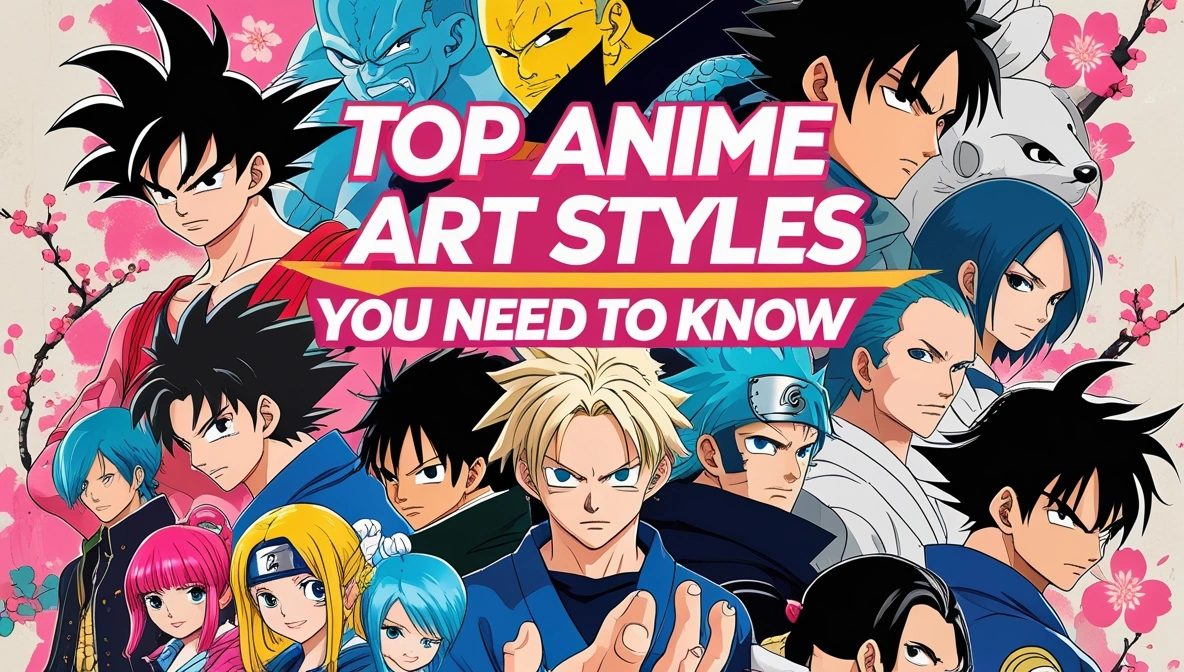
However, many viewers still believe anime follows only one visual format. In reality, the world of animeworld contains dozens of distinct artistic styles. Every anime series uses different visual methods to create emotion, atmosphere, and identity. The dramatic visuals of Attack on Titan look completely different from the soft emotional design of Sailor Moon or the cinematic realism of Studio Ghibli films.
Understanding anime art styles helps fans appreciate how visual design shapes storytelling. This guide explores the most important anime art styles dominating the modern Anime World India fan culture.
What Defines an Anime Art Style?
Anime art style is not limited to character appearance alone. It includes:
- Character proportions
- Eye design
- Line thickness
- Lighting and shading
- Color palette
- Background detail
- Animation smoothness
- Camera movement
These visual elements create emotional impact and help viewers instantly recognize a series.
As the popularity of animeworld grows globally, studios continue experimenting with new artistic techniques and animation technologies.
1. Shonen Style – Action and Energy
Shonen is the most popular anime style worldwide and dominates much of the Anime World India audience.
Popular Examples
- Naruto
- Dragon Ball Z
- Demon Slayer
- My Hero Academia
Characteristics of Shonen Style
- Strong outlines
- Dynamic fight scenes
- Explosive visual effects
- Muscular character design
- High-energy animation
- Bold color contrast
Modern Shonen anime often combines traditional 2D animation with CGI effects to create cinematic action sequences. This style appeals strongly to younger audiences because of its excitement and emotional intensity.
Within the expanding animeworld, Shonen remains the gateway style for most new anime viewers.
2. Shojo Style – Emotion and Romance
Shojo anime focuses more on emotional storytelling, relationships, and beauty.
Popular Examples
- Sailor Moon
- Fruits Basket
- Cardcaptor Sakura
Characteristics of Shojo Style
- Large expressive eyes
- Soft pastel colors
- Floral visual elements
- Delicate line work
- Emotional close-up scenes
Shojo visuals often emphasize feelings more than realism. Backgrounds may transform into abstract patterns during emotional moments to enhance mood and romance.
The growth of Shojo fandoms inside Anime World India shows how anime appeals far beyond action-focused audiences.
3. Seinen Style – Dark and Mature Visuals
Seinen anime targets mature audiences and often explores psychological, political, or philosophical themes.
Popular Examples
- Berserk
- Vinland Saga
- Ghost in the Shell
Characteristics of Seinen Style
- Realistic anatomy
- Heavy shadows
- Dark color palettes
- Detailed environments
- Brutal realism
Unlike Shonen, Seinen avoids exaggerated emotional reactions. Instead, it creates tension through atmosphere, silence, and realism.
In the wider animeworld, Seinen anime is respected for its artistic sophistication and mature storytelling.
4. Chibi Style – Cute and Comedic
Chibi is one of the most recognizable anime art styles online.
Characteristics of Chibi Style
- Oversized heads
- Tiny bodies
- Simplified features
- Exaggerated expressions
- Cartoon-like proportions
Chibi art is widely used in:
- Merchandise
- Social media stickers
- Fan art
- Comedy spin-offs
Many Anime World India meme pages and online creators heavily use Chibi aesthetics because they are instantly recognizable and highly shareable.
5. Moe Style – Soft and Comforting
Moe anime focuses on emotional warmth and visual softness.
Popular Examples
- K-On!
- Lucky Star
- Non Non Biyori
Characteristics of Moe Style
- Rounded facial design
- Soft pastel lighting
- Calm environments
- Minimal visual aggression
- Cute emotional reactions
Moe anime is often associated with comfort viewing. Inside the global animeworld, it has become popular among audiences looking for relaxing and emotionally positive storytelling.
6. Semi-Realistic Anime Style
Some anime productions move closer to realism while still maintaining anime aesthetics.
Popular Examples
- Spirited Away
- Princess Mononoke
- Your Name
Characteristics of Semi-Realistic Style
- Natural human proportions
- Cinematic lighting
- Detailed painted backgrounds
- Realistic movement
- Emotional subtlety
Studio Ghibli films helped popularize this approach worldwide. Many newcomers to Anime World India start with semi-realistic anime because these films feel universal and emotionally accessible.
7. Kawaii Style – The Global Cute Culture
Kawaii aesthetics have become a worldwide visual trend connected deeply with anime culture.
Characteristics of Kawaii Style
- Rounded shapes
- Minimal facial details
- Bright pastel colors
- Innocent emotional tone
Kawaii influence now appears in:
- Fashion
- Gaming
- Social media branding
- Digital art
- Product design
The spread of Kawaii culture proves how strongly animeworld aesthetics influence global visual culture today.
Why Anime Is Growing Rapidly in India
The growth of Anime World India is driven by several major factors:
Streaming Accessibility
Platforms like Netflix and Crunchyroll made anime easier to access.
Social Media Communities
Instagram, YouTube, and Facebook helped anime fandoms grow rapidly.
Gaming and Cosplay Culture
Anime aesthetics now heavily influence gaming communities and cosplay events across India.
Better Dubbing and Subtitles
Improved localization introduced anime to broader Indian audiences.
Because of these factors, animeworld culture has evolved into a mainstream youth movement across India.
Conclusion
Anime art styles are far more diverse than most viewers initially realize. Every visual decision — from line work and color palette to shading and camera movement — exists to create a specific emotional experience.
The beauty of Anime World India lies in this artistic diversity. Some viewers enjoy the explosive energy of Shonen battles, while others prefer the emotional softness of Shojo or the psychological realism of Seinen.
As the influence of animeworld continues growing globally, anime is becoming more than entertainment. It is now a major artistic and cultural force shaping visual storytelling across the world.
Frequently Asked Questions
What is Anime World India?
Anime World India refers to the growing anime fan culture in India, including streaming audiences, artists, cosplay communities, and anime content creators.
What does animeworld mean?
animeworld broadly represents global anime culture, fandoms, visual aesthetics, and artistic influence.
Which anime style is the most popular?
Shonen remains the most popular anime style because of its action-heavy storytelling and global audience appeal.
Is Chibi a separate anime style?
Yes. Chibi works both as an independent visual style and as a humorous redesign of existing anime characters.
Why are anime styles so different?
Different anime styles are designed to create different emotional experiences and target different audiences.