
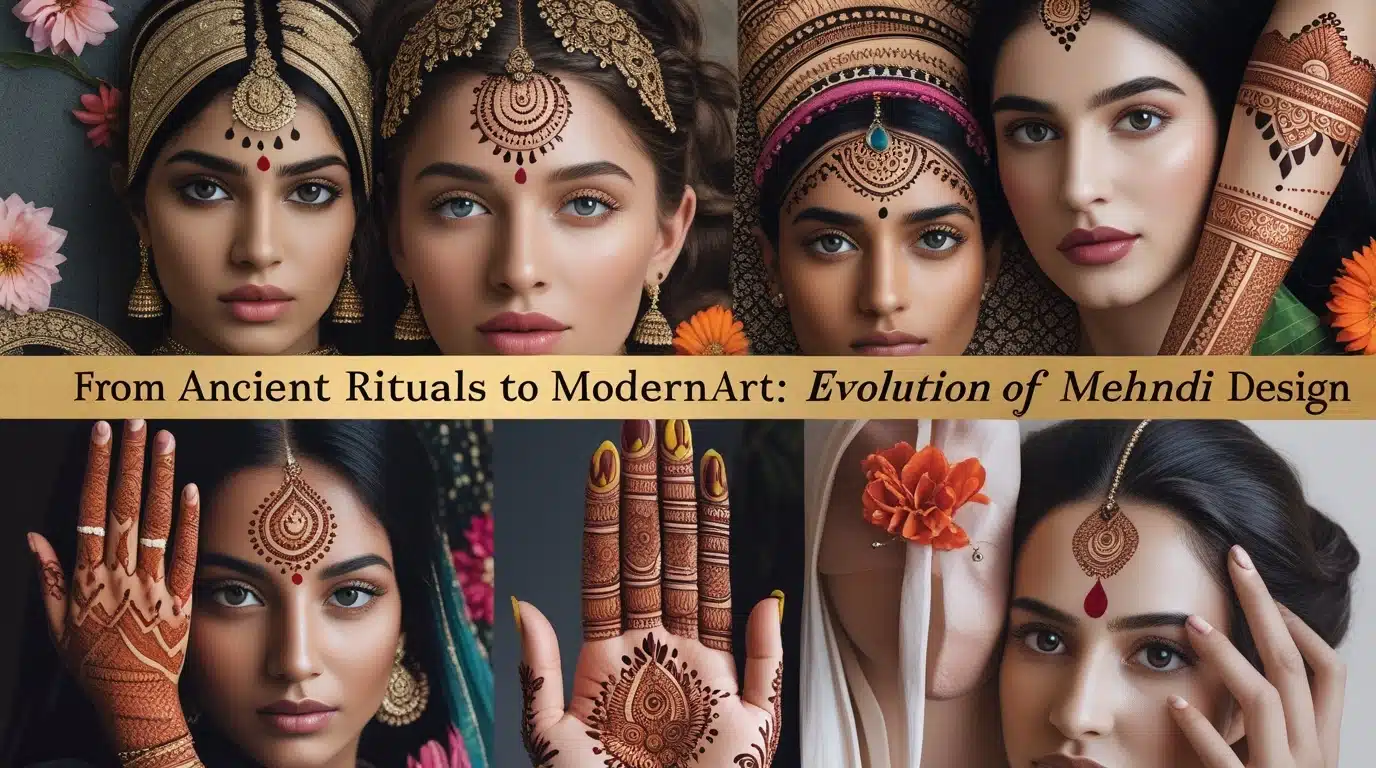
Mehndi design evolution from Ancient Rituals to Modern Art
In search of an easy-to-apply, gorgeous mehndi design? You are not alone. Whether you’re preparing for a large family gathering, a modest celebration, or just want to flaunt your henna abilities, simple and elegant mehndi patterns are more popular than ever. Geometric finger patterns and minimalist florals are two examples of understated sophistication that will never go out of style. The part that’s most interesting? These exquisite mehndi designs are sure to be a hit at any special occasion.
How about a beautiful video of your mehndi ritual? If you’re planning a wedding or just want some fun pictures taken, get a frame that goes with your theme.
What Is the Meaning of Mehndi and Where Did It Originate?
In traditional mehndi designs, one would use a paste made from powdered, dried henna leaves to decorate their hands, feet, or even entire body. From cherry-red to brown, the stain’s hue can change under different situations and with different amounts of sitting time.
Mehndi has a long history that begins several thousand years ago in ancient Mesopotamia and Northern Africa. There is ample evidence of its ceremonial, aesthetic, and ritualistic applications. Archaeologists have also uncovered henna-decorated hands. This non-invasive technique of temporary body painting is gaining popularity across the world.
An integral aspect of every Hindu or Indian wedding is the mehndi ceremony. In this state-wide tradition, mehndi is applied on the bride’s palms in a beautiful purple tint during the wedding ceremony. As part of traditional Indian wedding rituals, the bride’s fingers are often adorned with intricate designs.
- Dive into uniquely curated design ideas on Pinterest
- Learn how to make stunning patterns with step-by-step visuals
- Explore easy mehndi design videos perfect for beginners
- Follow a whole channel just on mehndi art and inspirations
Why bridal mehndi design is so important?
Traditionally, the bride’s stress level is expected to be kept in check by organizing the mehandi night before the big day. on ease the bride’s anxiety, the bridesmaids apply green mehandi paste on her hands and feet, the areas of the body that have the most nerve endings.
Although the intricate decorations etched onto the limbs serve as a reminder to the bride to put down her devices and fully immerse herself in the present moment. They originally represented her seclusion from the outside world until the wedding. You may call it a superstition all you want, but the original intent was to make sure the bride was well-rested and protected on her wedding day. An ancient ritual called the solah shringar includes mehandi as one of its sixteen steps to prepare the bride for her new life as a wife. Its fragrance is said to have aphrodisiacal qualities, and it is also believed to bring good fortune, joy, and beauty.
International customs surrounding bridal mehendi
Someone from the bride’s close circle of friends and relatives would typically apply mehandi in most Indian communities. It was thought that the bride would be showered with pleasant energy and well-wishes as the mehandi paste was swirled about her skin. The bride’s mother-in-law customarily brings henna and applies it in blobs during the Turkish “henna evening,” a festive pre-wedding rite comparable to the Indian mehandi ceremony. For example, the Jewish bridal henna procedure in Yemen required four or five days to finish, with numerous applications and resist work. This was just one example of the intricate bridal traditions observed in Yemen. Different traditions exist even inside India. The traditional Rajasthani wedding garb for the groom is frequently just as ornate as the bride’s. The Mappila Muslim minority of Kerala (south India) frequently uses henna, locally known as mylanchi, for ceremonial purposes such as weddings and festivals.
From Traditional to Trendy: How Designs Evolved
Henna design has evolved into an art form, and modern brides choose mehandi craftsmen with an eye for aesthetics. Indian (Asian) mehandi is defined by delicate lines, lacy patterns, floral and paisley designs that encircle the hands, forearms, feet, and legs, in contrast to Arabic (Middle Eastern) mehandi, which typically displays big, floral designs on the hands and feet (but only up to the wrists and ankles). And African mehandi, which is frequently made with black mehandi, is typically big and striking, with angles patterned geometrically.
Although the styles have changed, the customs have remained unchanged. Even though brides nowadays can choose from a wide variety of Indian and Arabic designs, they will still ask their artists to incorporate their husband’s initials into the patterns, as is customary. The hunt for the darkest henna continues because, according to the ancient wives’ tale, the color of the bride’s mehandi indicates the amount of love she will receive in her new home. Alia Rangrez, a mehandi practitioner from Manchester, also mentioned that modern brides are wary about the ingredients used to make henna cones. Organic dyes made entirely of natural substances, unadulterated by synthetic chemicals, are in high demand. The design will continue to darken for around three days after removal, therefore leaving the pasted henna on for eight hours is recommended for the best effects.
Modern times have also witnessed a rise in the esteem and renown of mehandi artists.
Practical Inspiration: Explore & Learn
If you’re excited to immerse yourself in mehndi design— whether as a bride, artist, or enthusiast — the following links are hands-on resources:
Design Boards & Collections:
Pinterest’s curated mehndi design gallery — https://www.pinterest.com/mchittem/mehandi-designs/
— features hundreds of patterns from traditional to contemporary.
Video Tutorials & Live Demos:
Learn how to create designs step-by-step with helpful visuals- https://www.youtube.com/watch?v=E2GYJDnhs4s
Easy & Beginner Videos:
Looking for simple, beginner-friendly mehndi inspiration? Check https://in.pinterest.com/pin/easy-mehndi-designs-video–106608716173090880/
Dedicated Artist Channel:
Follow a creative collection of designs, tips, and trends at https://www.youtube.com/c/Shireenmehndidesigns
These resources won’t just inspire — they’ll help you understand technique, spacing, symmetry, and creative flow behind any mehndi pattern you choose.
Ideas for a Mehndi Pattern to Keep in Mind
- Look for henna paste that is made entirely of natural elements sourced from henna leaves. Do not use any chemicals or additives that could cause harm. Applying natural henna on the skin almost never causes an allergic reaction. Do not use henna that is labeled as “instant” or “black”; You should be cautious because it could contain harmful chemicals.
- When choosing on the degree of intricacy for the mehndi design, consider the occasion and your own taste. A less complex design may be sufficient for less formal gatherings, whilst a more intricate and detailed one may be more fitting for formal occasions such as weddings.
- After applying the mehndi paste, let it dry naturally on your skin. The simple mehndi pattern will be corrected by this. Stay away from the hairdryer and other heat tools if you value a speedy drying process that won’t compromise the color development of your hairstyle. Scrape off the mehndi after four or six hours.
Why Mehndi Endures: Tradition Meets Personal Expression
Even mehandi artists have begun to receive more respect and renown in recent years. Some members of the tight-knit artistic community have also established themselves as icons through the development of distinctive patterns. Nevertheless, the essence of the mehandi ceremony remains unchanged. In its original form, the bridal shower was just a casual get-together for the ladies of the home to shake hands and impart marital wisdom to the future bride. Even while mehandi nights have grown glitzier, they’re still just as much fun as they were in the past.
What makes mehndi design compelling is its undying adaptability. It connects historic historical past with private storytelling — from symbolic motifs that bless a union, to geometric innovations that outline a cutting-edge style.
Cultural anthropologists and artists alike recognize that while patterns may additionally shift, the essence of mehndi — birthday celebration, identity, and splendor. Whether in a traditional bridal ceremony or on a style degree, mehndi holds tales in its swirls and leaves recollections at the skin long after the marriage bells fade.
Conclusion
From historic beginnings to modern ceremonies, mehndi design stands as a living art shape that celebrates network, background, spirituality, and personal expression. Its journey from henna paste to bridal palms displays centuries of cultural interaction, inventive refinement, and human connection. Whether you’re looking for conventional bridal styles, modern-day minimal designs, or DIY tutorials, the hyperlinks and insights in this guide provide a roadmap to know-how and appreciating video different facets of mehndi.