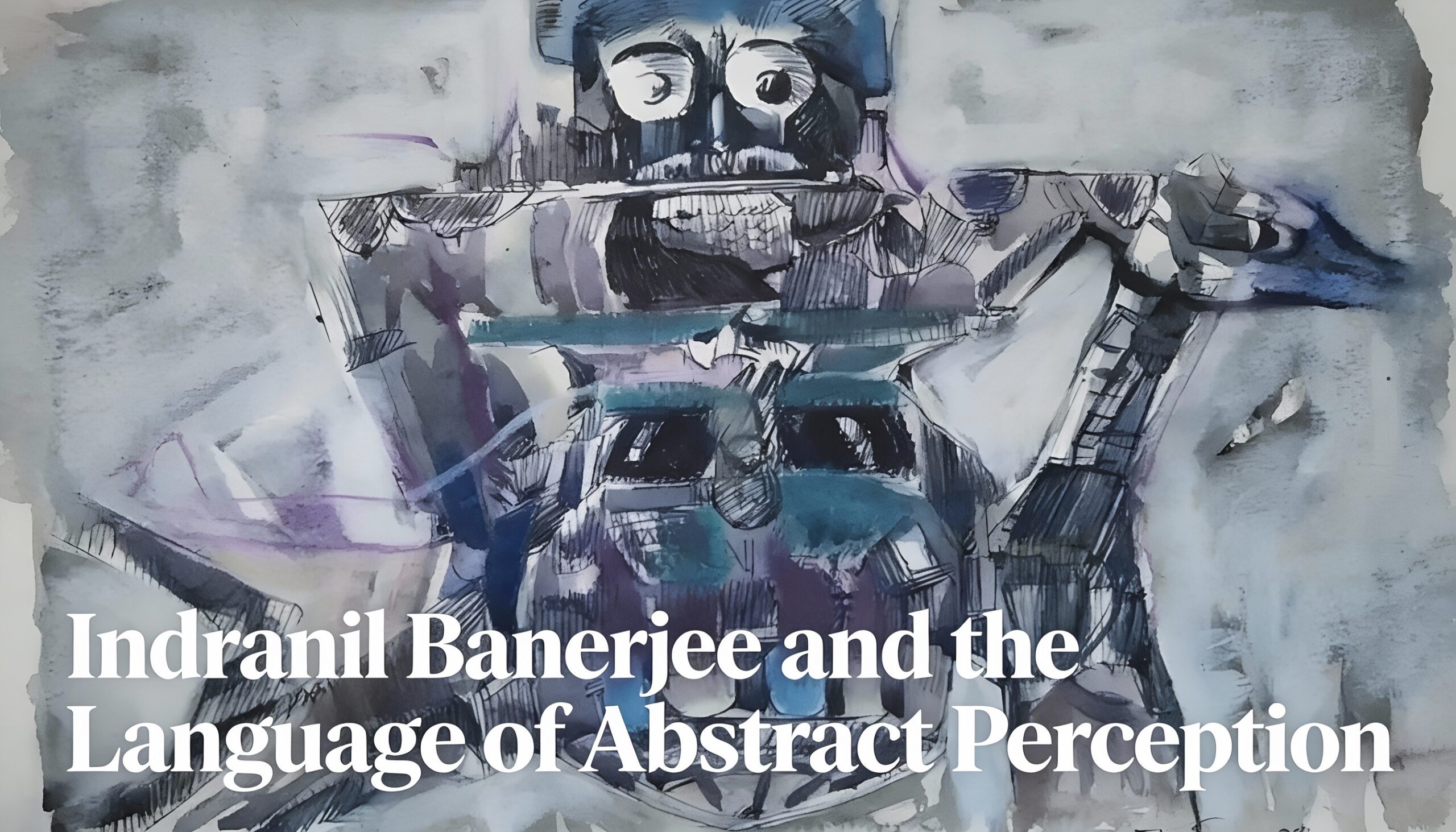
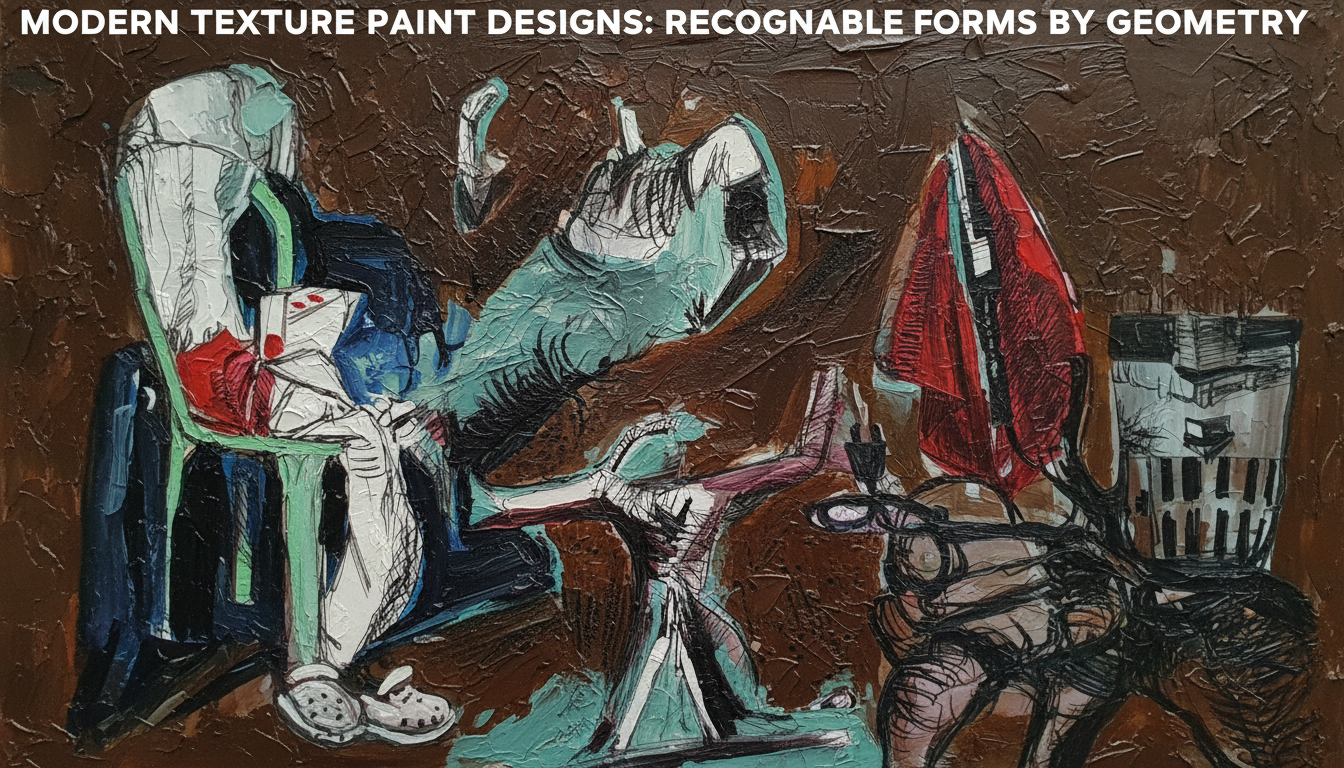
Modern art often explores abstract forms, but even the wildest abstractions can hide familiar shapes. Modern abstract painters frequently use thick textures and mixed media to create depth. Within these modern texture paint designs, artists are discovering ways to make abstract art relatable without losing creativity. A new patented approach by artist Indranil Banerjee uses geometric placement of shapes. This ensures that viewers can recognize hints of real objects or anatomy within an abstract composition. This method bridges the gap between freeform creativity and the human desire to find patterns and meaning in art.
Geometry Creates Recognizable Abstraction
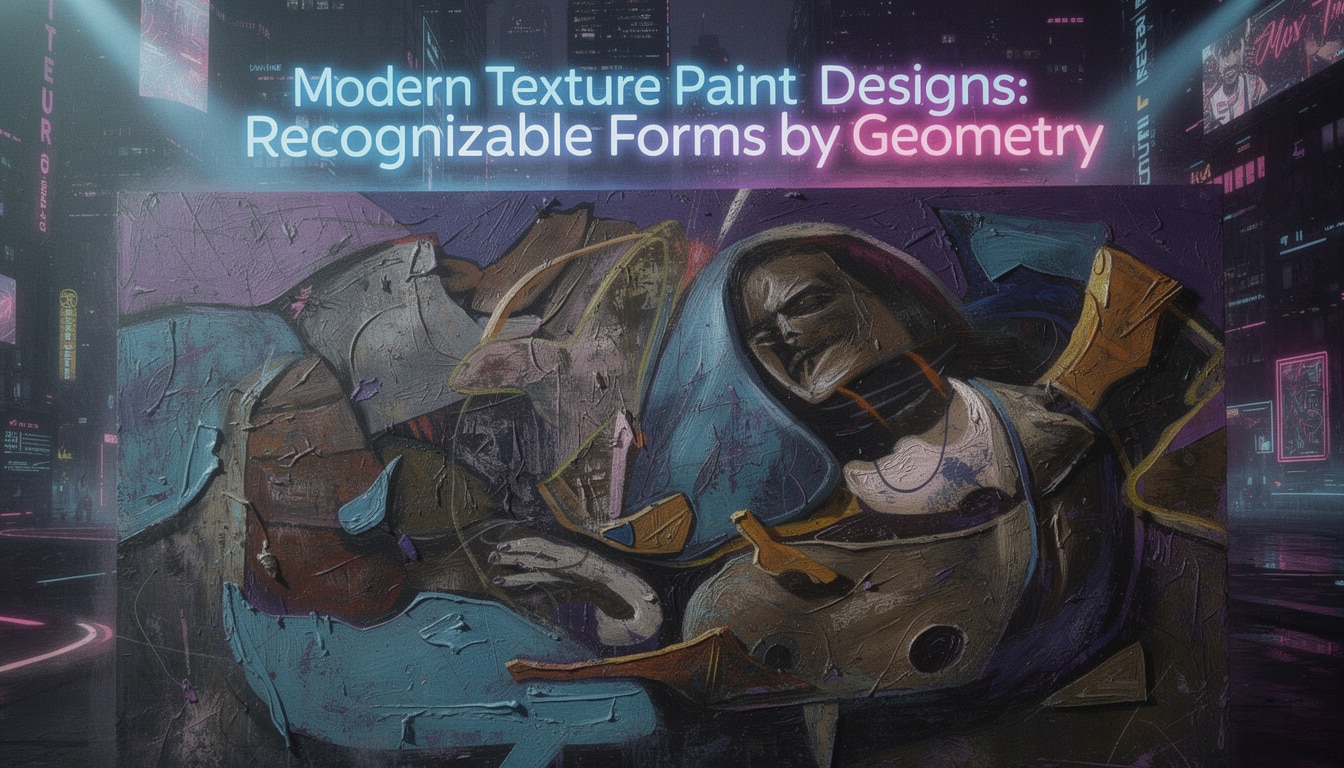
Geometry plays a crucial role in turning abstract art into something recognizable. Artists arrange shapes in the same relative positions as they appear in real life. For example, a portrait abstract might keep the eyes, nose, and mouth in their usual places on a face. The shapes themselves might be stylized or textured, but their placement triggers recognition. Every face is unique, yet all faces share the same basic feature layout. Even an unconventional painting reads as a face if the artist positions two forms above a central shape. These marks hint at eyes above a nose and mouth, which the mind immediately recognizes. By preserving this geometrical positioning, texture paint art can suggest a human face or figure. It works even when the style is highly modern.
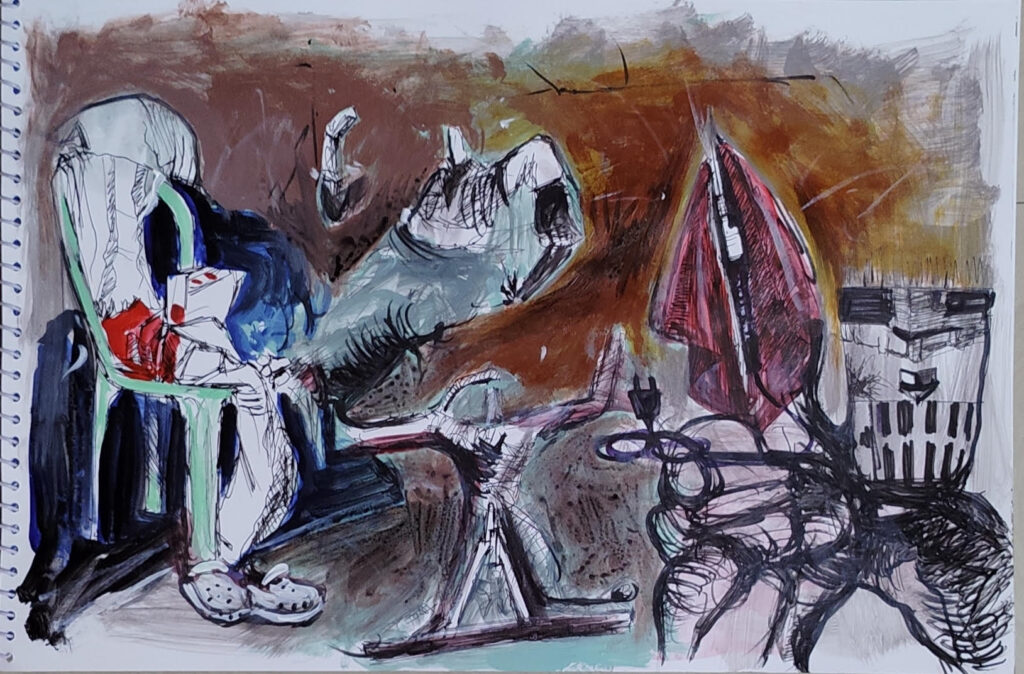
(Paperwork)
Shaping Familiar Forms in Abstract Designs
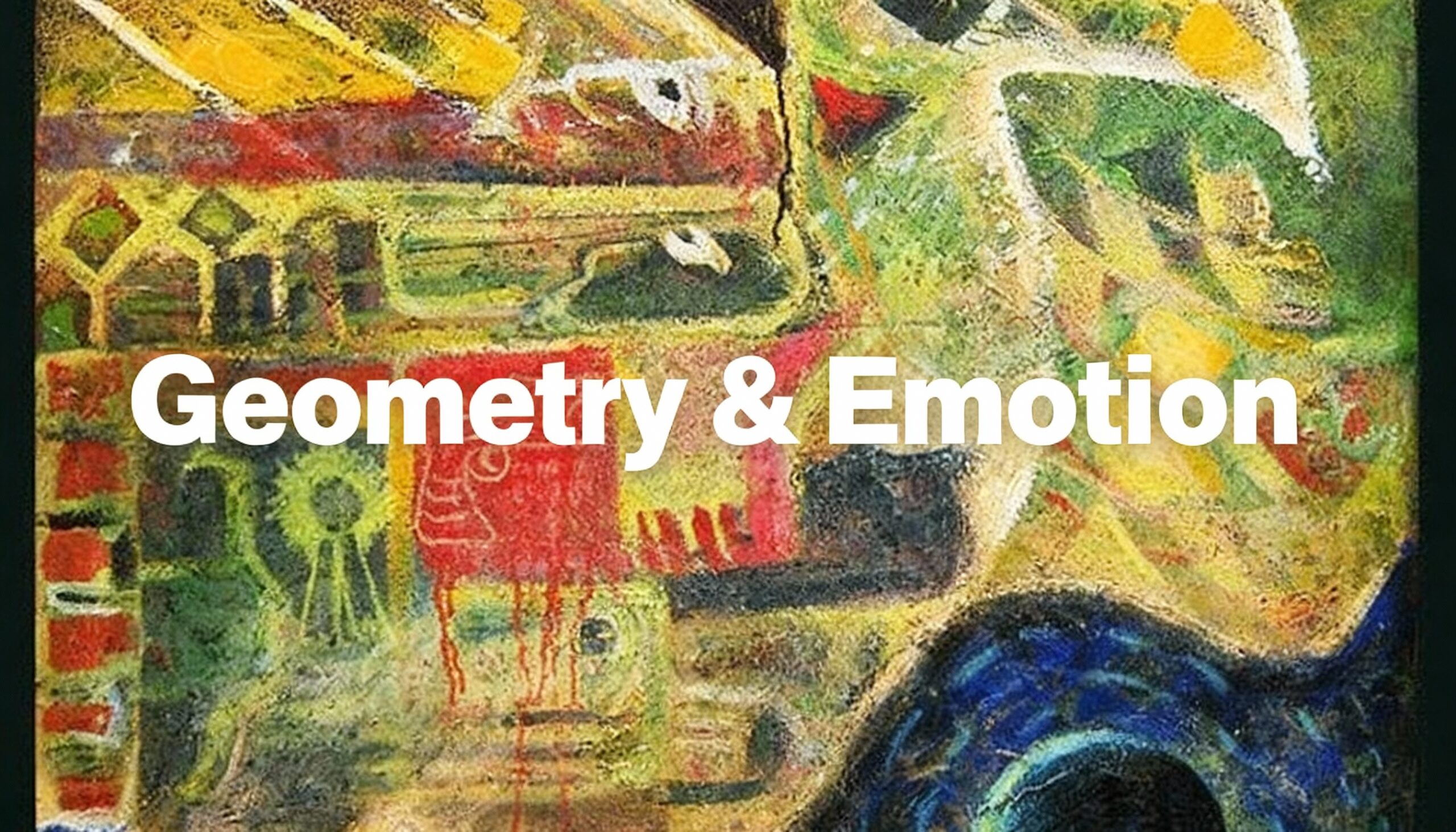
Artists also break down familiar features into basic shapes. A circle might stand in for an eye, or a triangle for a nose. Each shape is simple, but placed correctly, it contributes to a familiar overall image. Viewers can identify each part even when the artwork uses bold colors or rough textures. In modern texture paint designs, thick layers of paint can form these shapes. They add depth while still hinting at figures or objects. Thick paint not only adds depth but also plays with light. For instance, a raised ridge of paint can form the outline of a figure. It casts a subtle shadow that enhances the shape. Different textures provide varying cues. A smooth, glossy patch might stand out as a highlight on a form. In contrast, a rough, matte area tends to recede into the background. By experimenting with texture this way, artists ensure their hidden forms remain perceptible without being too obvious. The key is that each part, no matter how abstract, remains close enough in shape to something known. This strategy keeps the design relatable and engaging. Some artists make these shapes obvious, almost like clear symbols in an abstract piece. Others hide them more deeply, requiring a bit of visual detective work by the viewer. Both approaches benefit from careful geometric planning behind the scenes.
Patterns and Psychology in Abstract Art
Human brains are wired to find patterns. This is why people often see faces in clouds or animals in random shapes. Psychologists call this tendency pareidolia. It means seeing meaningful images in random patterns. Abstract artists tap into this instinct by embedding recognizable patterns in their compositions. Artists use familiar arrangements of shapes to invite viewers to interpret the work actively. For example, the outline of a bird in flight or the form of a hand immediately guides the viewer’s perception. This method draws on Gestalt psychology, where the mind fills in gaps to see a complete image. Artists often use texture paint to create raised shapes or lines that suggest these patterns. The effect is both visual and tactile. Viewers feel a sense of discovery and connection when they spot a form that resonates with them. Familiar shapes also carry emotional weight. Seeing a hint of a face or an animal in an abstract piece can spark comfort or joy. This emotional response anchors the viewer’s experience. It also makes the artwork more memorable. Viewers often feel satisfaction when they recognize a hidden form in what first appeared chaotic. That moment of realization creates a personal bond with the artwork.
From Everyday Objects to Living Forms
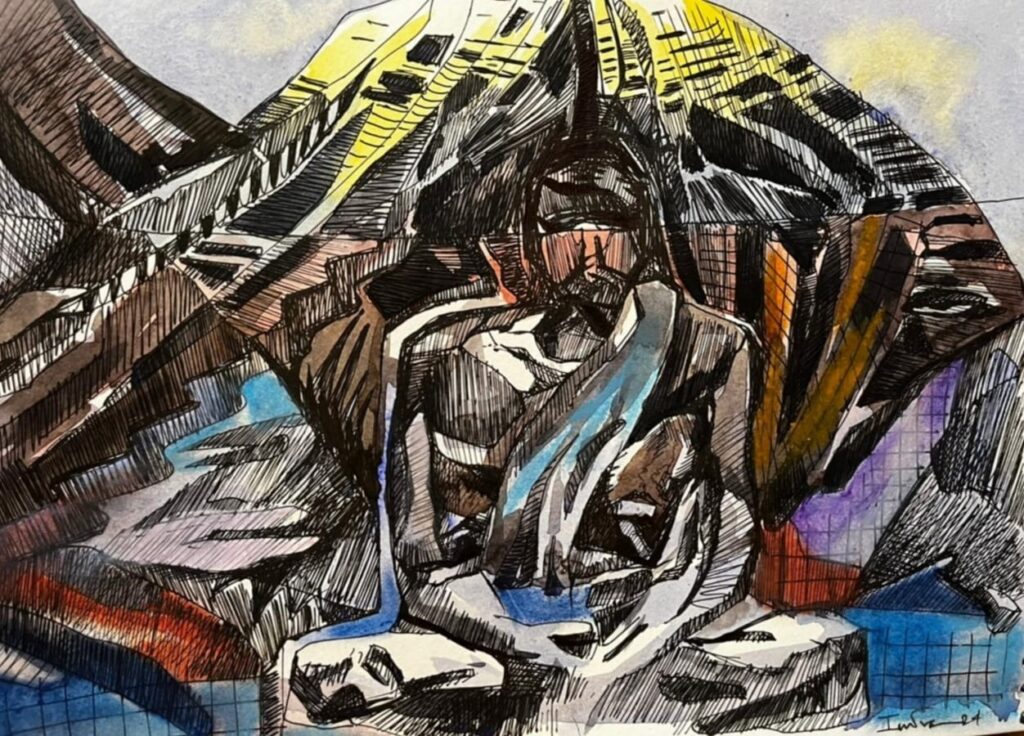
A clever aspect of this technique is how non-living objects can mirror living forms. An artist might paint a village hut and subtly arrange its elements to resemble a face. The windows become eyes and the door suggests a nose. This creative parallel makes the scene feel unexpectedly familiar. For instance, a random arrangement of forms might suggest a dog. It only needs to include a head-like shape, a body, and four limbs in the right places. The viewer’s mind will assemble these pieces into the image of a dog. Each part on its own may remain abstract. Similarly, an abstract design of a car or a tree could hide the proportions of a human or animal figure. By using texture paint to accentuate these shapes, artists add an extra layer of surprise. The viewer perceives a common shape behind the abstraction, which can be delightful and thought-provoking.
Key Techniques for Recognizable Abstract Designs
- Position abstract elements in the same layout as familiar subjects. For example, place shapes like eyes and mouth where they normally appear on a face.
- Simplify features into basic shapes that are easy to identify. For example, use a simple circle to suggest an eye.
- Parallel human or animal forms using everyday objects or landscapes. For instance, make a hut’s windows and door mimic eyes and a nose.
- Enhance with rich texture paint and color, but keep the structured arrangement. This way the artwork stays abstract yet relatable.
Modern Texture Paint Designs and Other Applications
This geometric abstraction method has broad creative applications in art and design. Modern texture paint designs on large canvases or walls can use recognizable forms to engage viewers in any space. Painters, sculptors, and digital artists apply this approach to make works that are avant-garde yet accessible. For example, a sculptor could carve an abstract figure that reveals a human profile from a certain angle. Similarly, a digital artist might generate complex patterns that unexpectedly outline an animal when viewed as a whole. In interior decor, such art pieces spark conversation as people notice a familiar shape emerging from abstract strokes. The technique also creates emotional resonance. A hint of a human silhouette or animal figure amid abstract textures can evoke memories and feelings. This makes the art more impactful. This blend of abstraction and recognizable imagery is carving out a niche in the contemporary art scene. It appeals even to viewers who might normally shy away from abstract art.
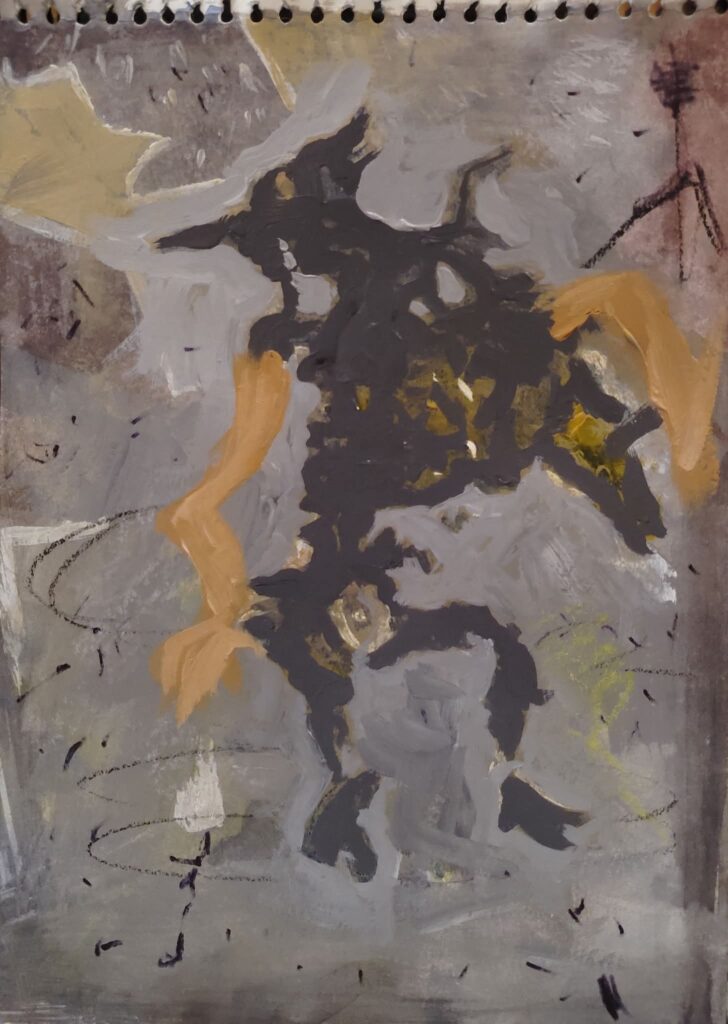
Sometimes Ithe artist gets stuck in no-painting mode, recovery is too tough, wayout is only a sketchbook
Artists today are proving that abstract art and familiarity can coexist. By anchoring bold textures and freeform shapes to recognizable geometry, creators make abstract pieces that speak to everyone. This approach enriches modern texture paint designs with layers of meaning and connection. Viewers get the excitement of interpreting abstract art, along with the comfort of finding something known within it. The result is modern art that is not only visually striking but also deeply relatable.