abstract painting indranil banerjee

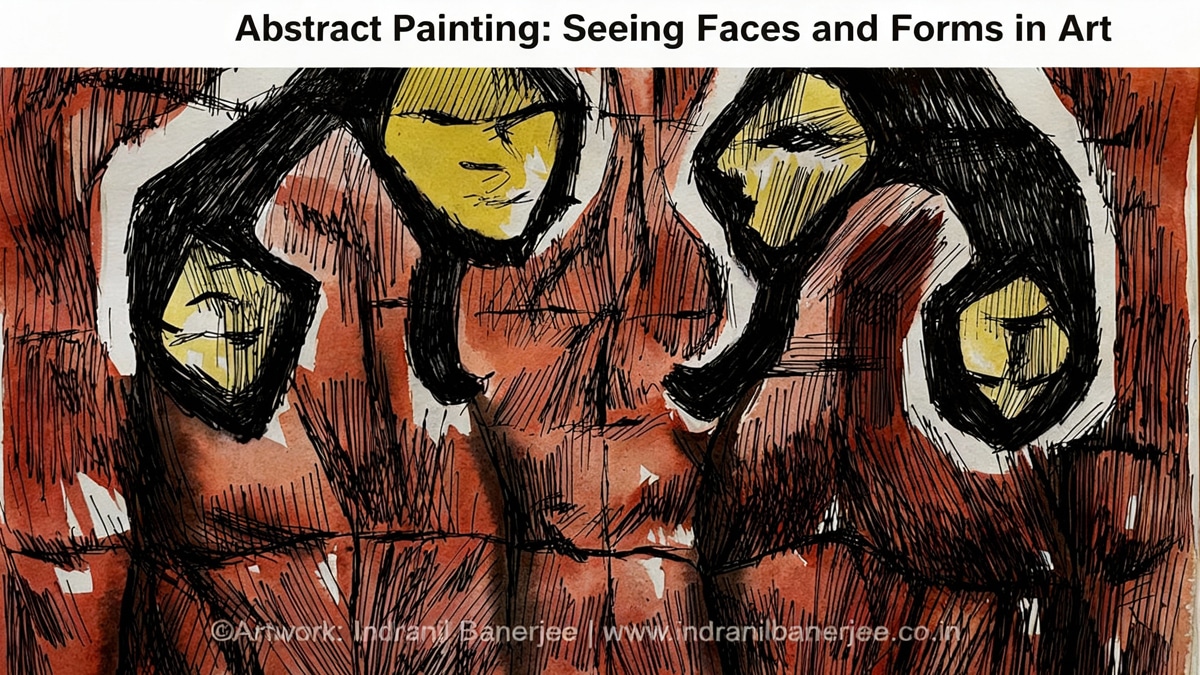
Abstract Painting: Seeing Faces and Forms in Art

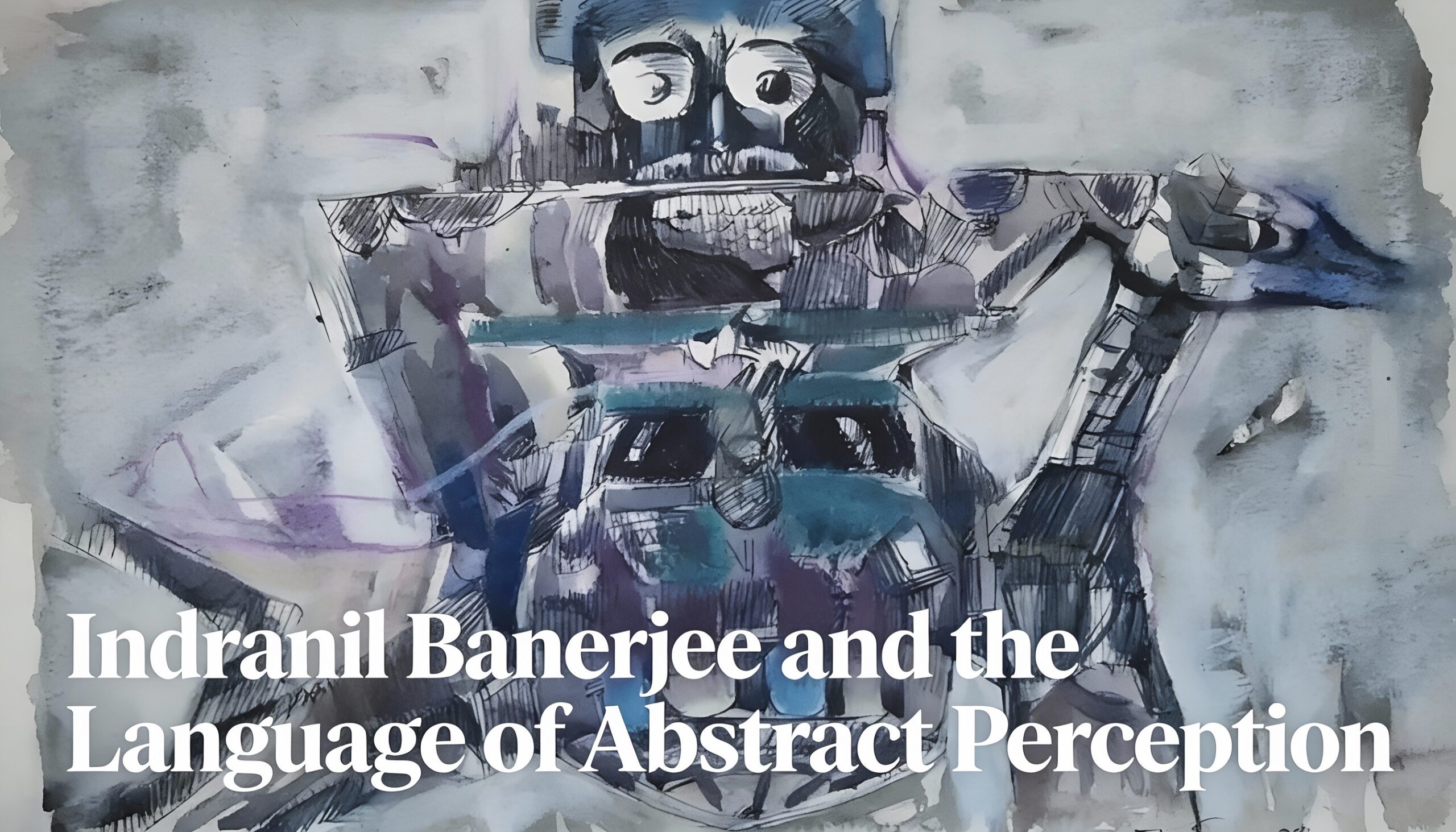
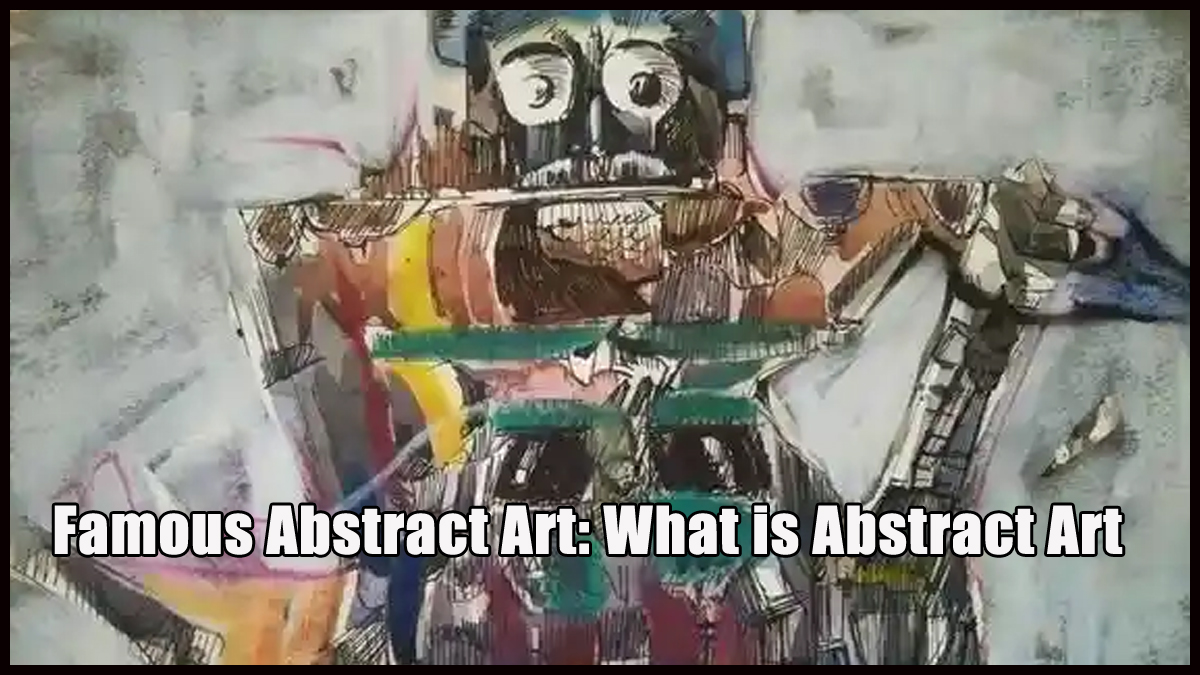
Abstract Painting and How We Recognize Forms Abstract painting may look mysterious. Yet viewers often notice shapes that feel familiar. The brain searches for order. It tries to connect dots and identify patterns. Faces appear first because humans detect faces faster than anything. The mind sees two circles and a line. It reads eyes and
famous abstract artist indranil banerjee

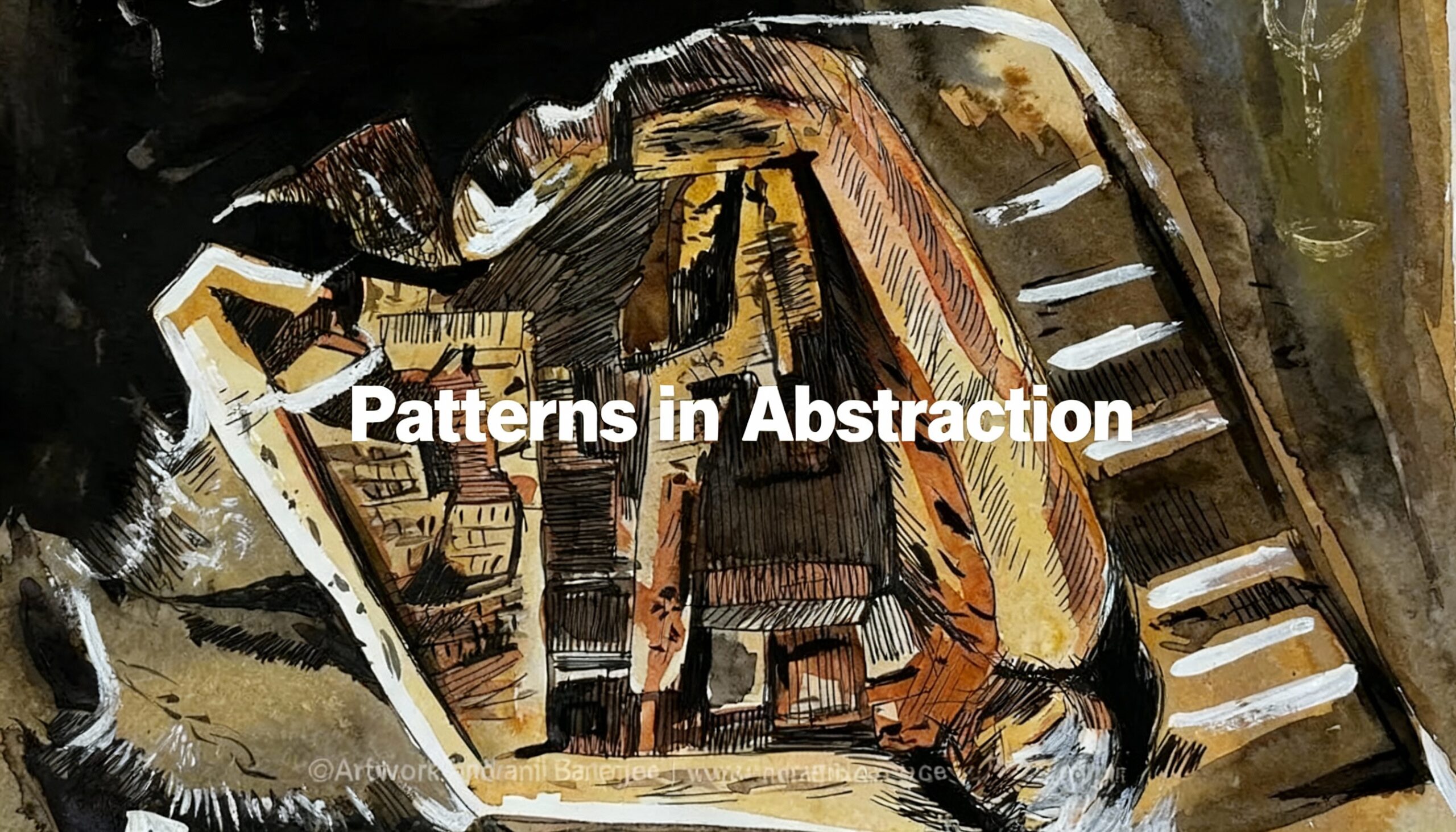
Relatable famous abstract art: Patterns in Abstraction

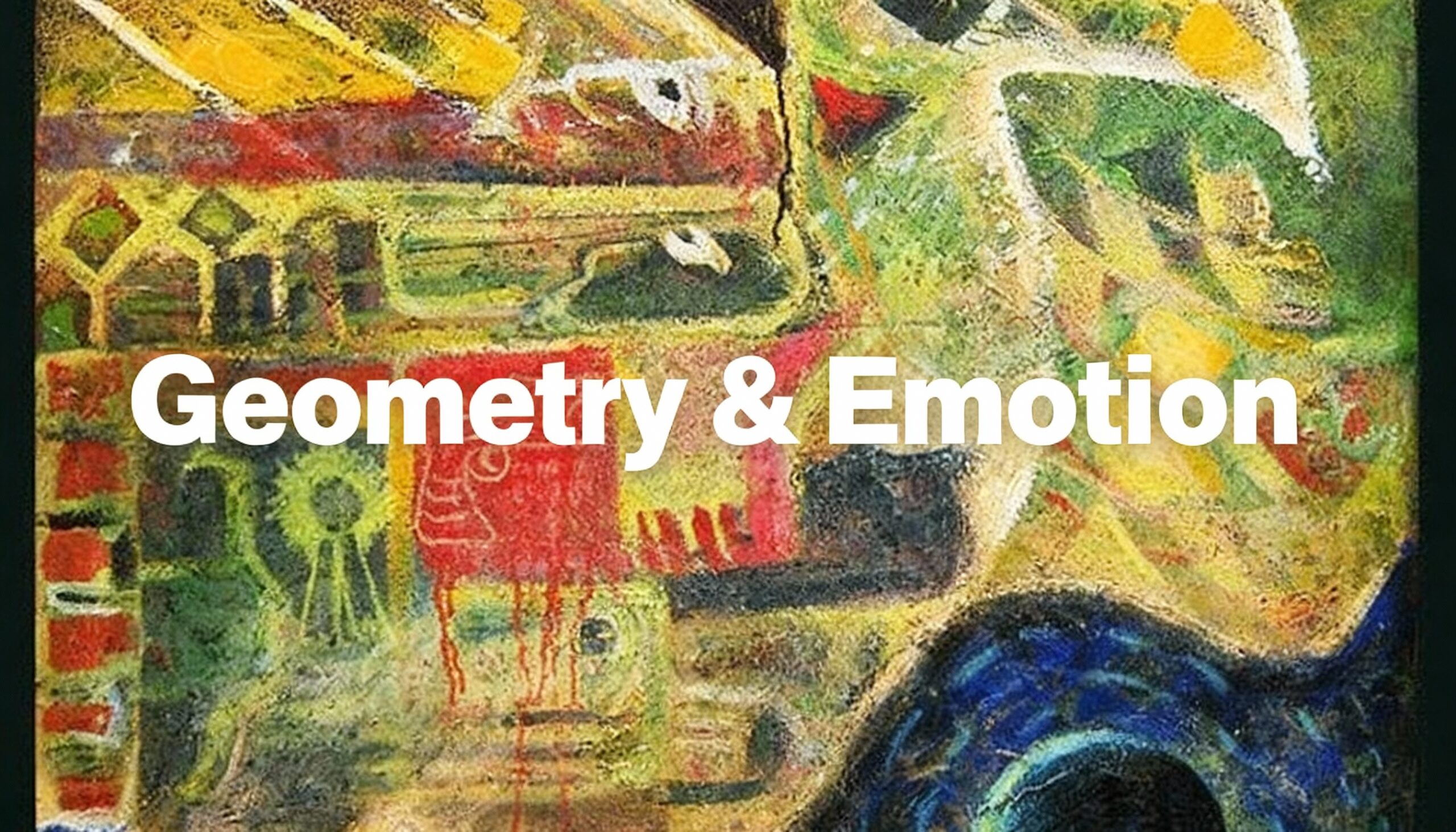
Viewers often approach famous abstract art with curiosity and hesitation. They stand before complex colors and forms, searching for something known. When they notice even a hint of a face, an animal, or a landscape, their hesitation drops and a connection appears. This response does not occur by accident. It follows a clear visual and
famous abstract art of indranil Banerjee

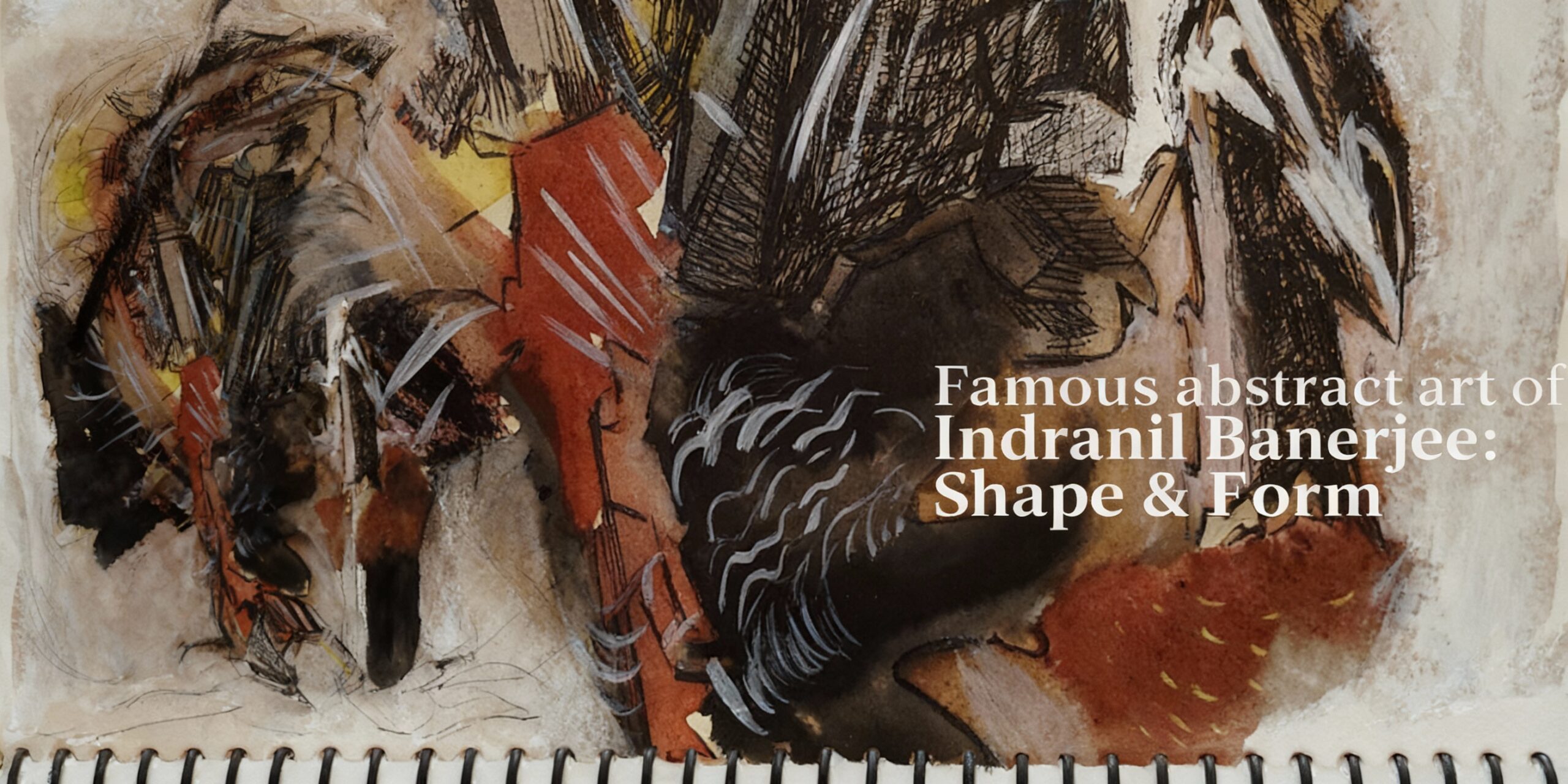
Famous abstract art of Indranil Banerjee: Shape & Form

The famous abstract art of Indranil Banerjee turns minimal shapes into instantly recognizable forms. Banerjee, a Kolkata-based abstract artist, intentionally positions circles, ovals, and triangles so that even chaotic compositions suggest real objects. This approach is detailed in his patented theory and leverages a natural process. The visual cortex first encodes edges, and then the

what is abstract art

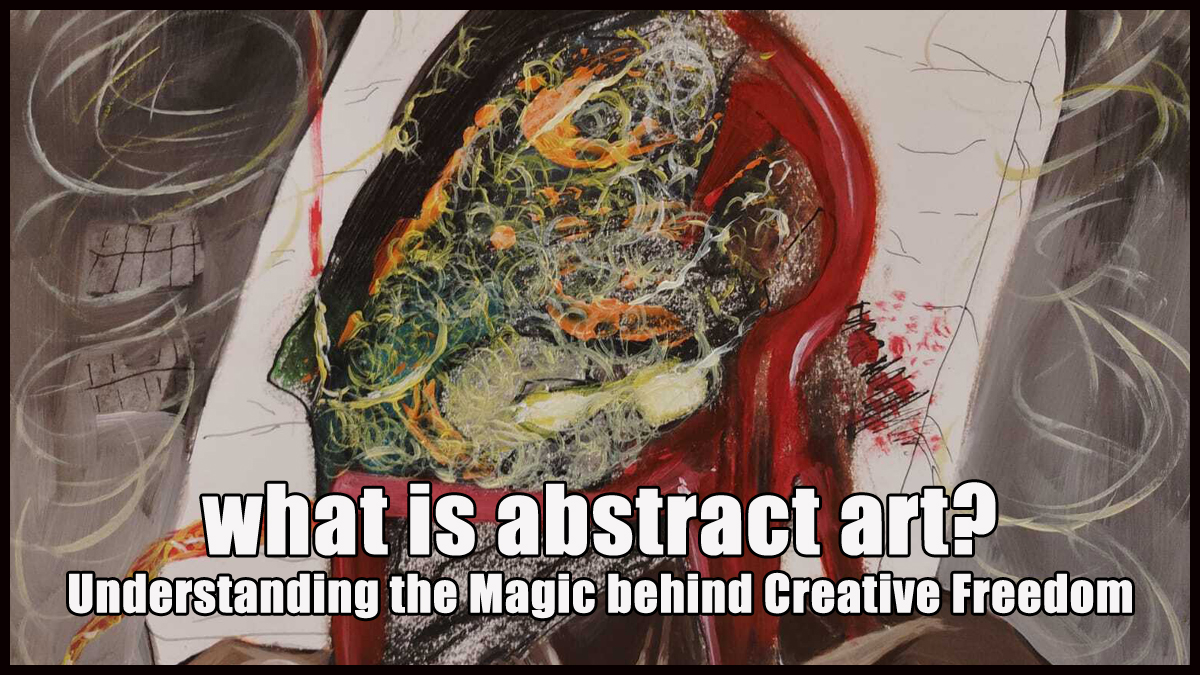
what is abstract art? Understanding the Magic behind Creative Freedom

Instead of depicting an exact representation of visual reality, abstract art communicates through forms, colors, lines, and gestural marks.  Artists working in abstraction often combine more conventional methods with more experimental approaches. One of the lovely things about what is abstract art and how anyone can interpret it.  Abstract artworks don’t necessarily communicate their intentions. 
what is abstract art

Famous Abstract Art: What is Abstract Art – Definition

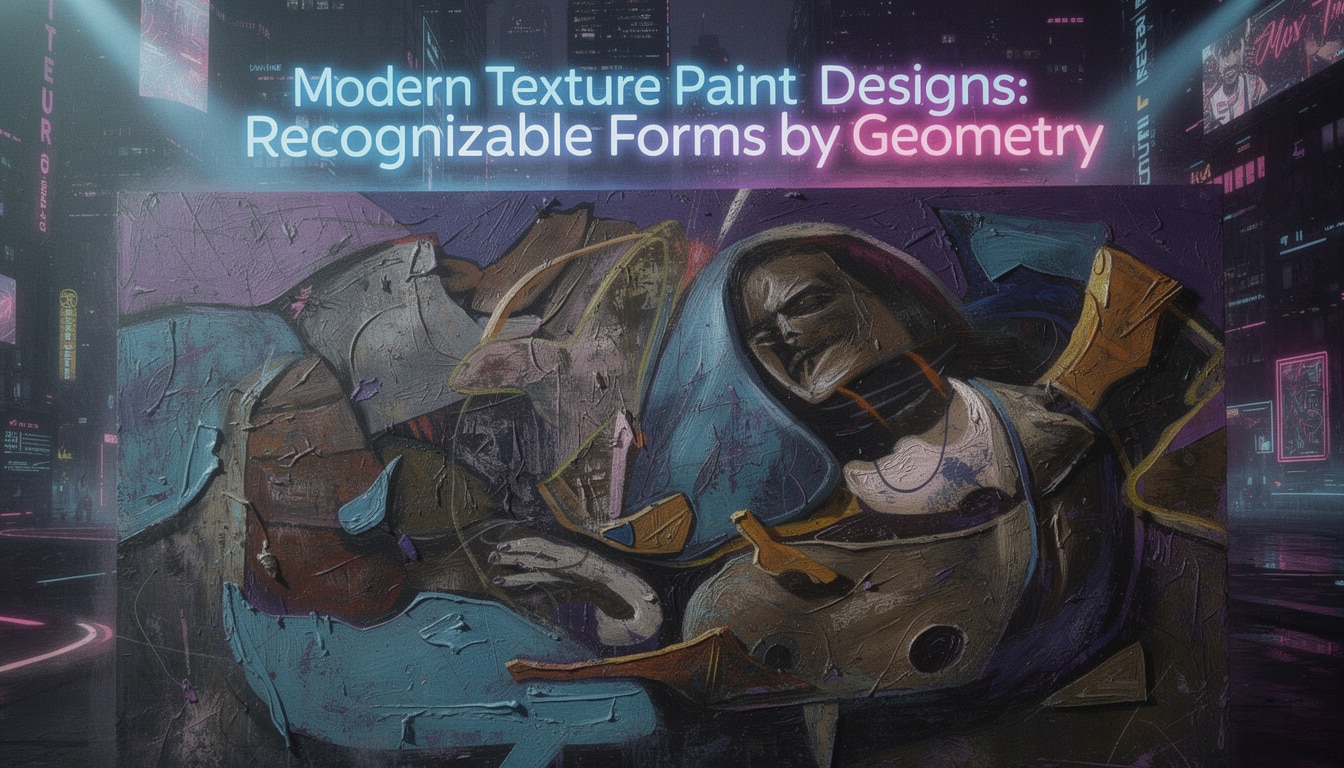
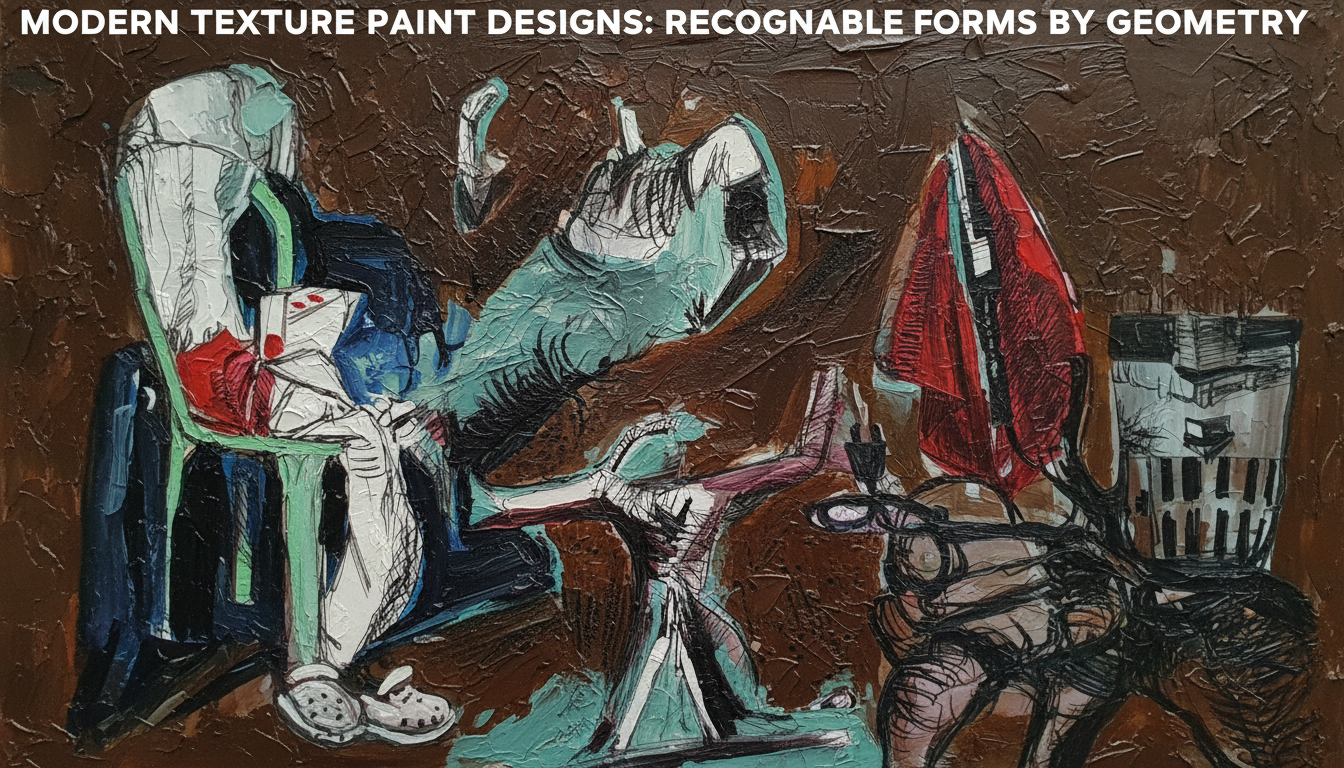
Recognizable Abstract Forms and Techniques One powerful method in abstract art is maintaining geometrical positioning of shapes. For example, placing circles and lines roughly where eyes or a nose might go can suggest a face. If we keep the relative positions of those shapes, a viewer will often “see” the face even if it looks
Powered By Tan Solutions