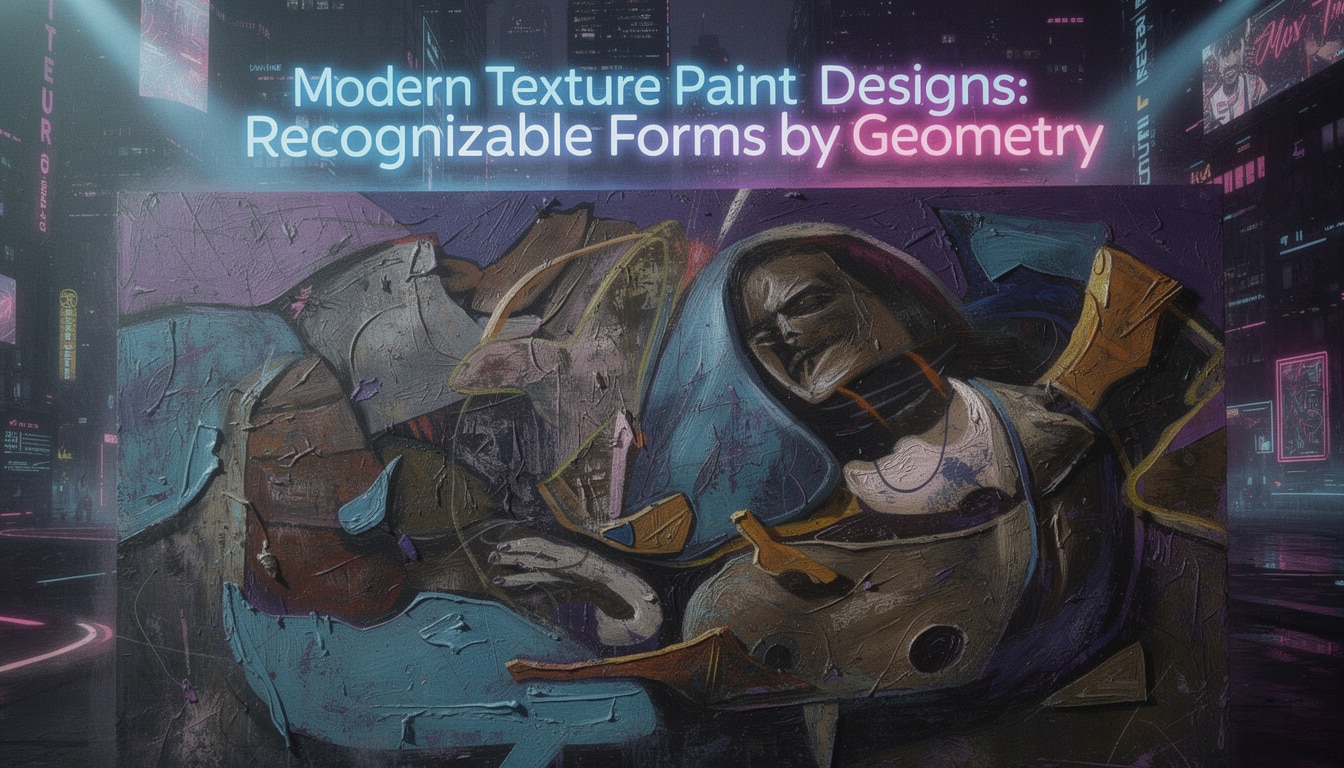
Modern texture paint designs play a central role in contemporary abstract art today. Artists increasingly seek a balance between expressive freedom and visual familiarity. This balance keeps abstract art engaging rather than confusing for viewers. As abstraction evolves, artists aim to communicate emotion while preserving clarity and intention.
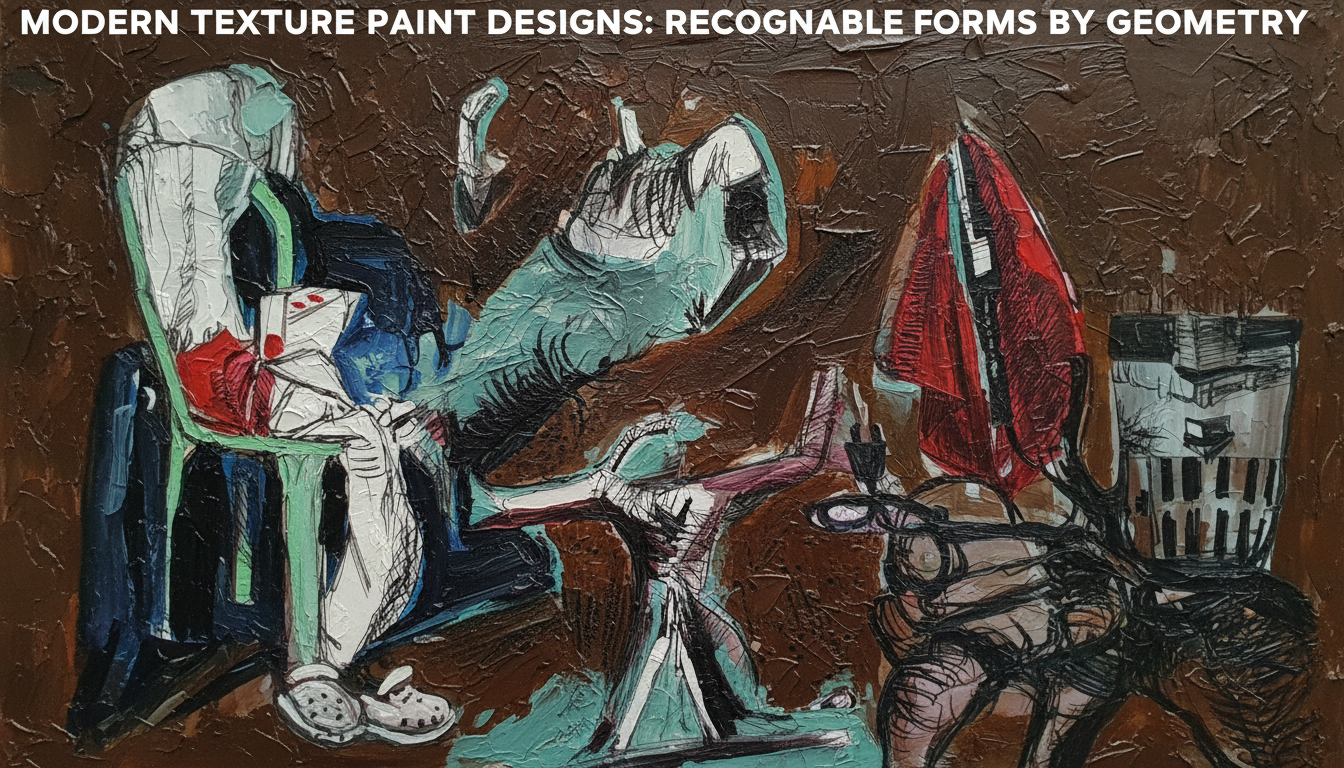
In many modern artworks, texture paint serves both functional and conceptual purposes. Artists apply thick paint layers to create depth, contrast, and physical presence. These textured surfaces guide the viewer’s attention across the composition. At the same time, they reinforce deliberate artistic structure and spatial awareness.
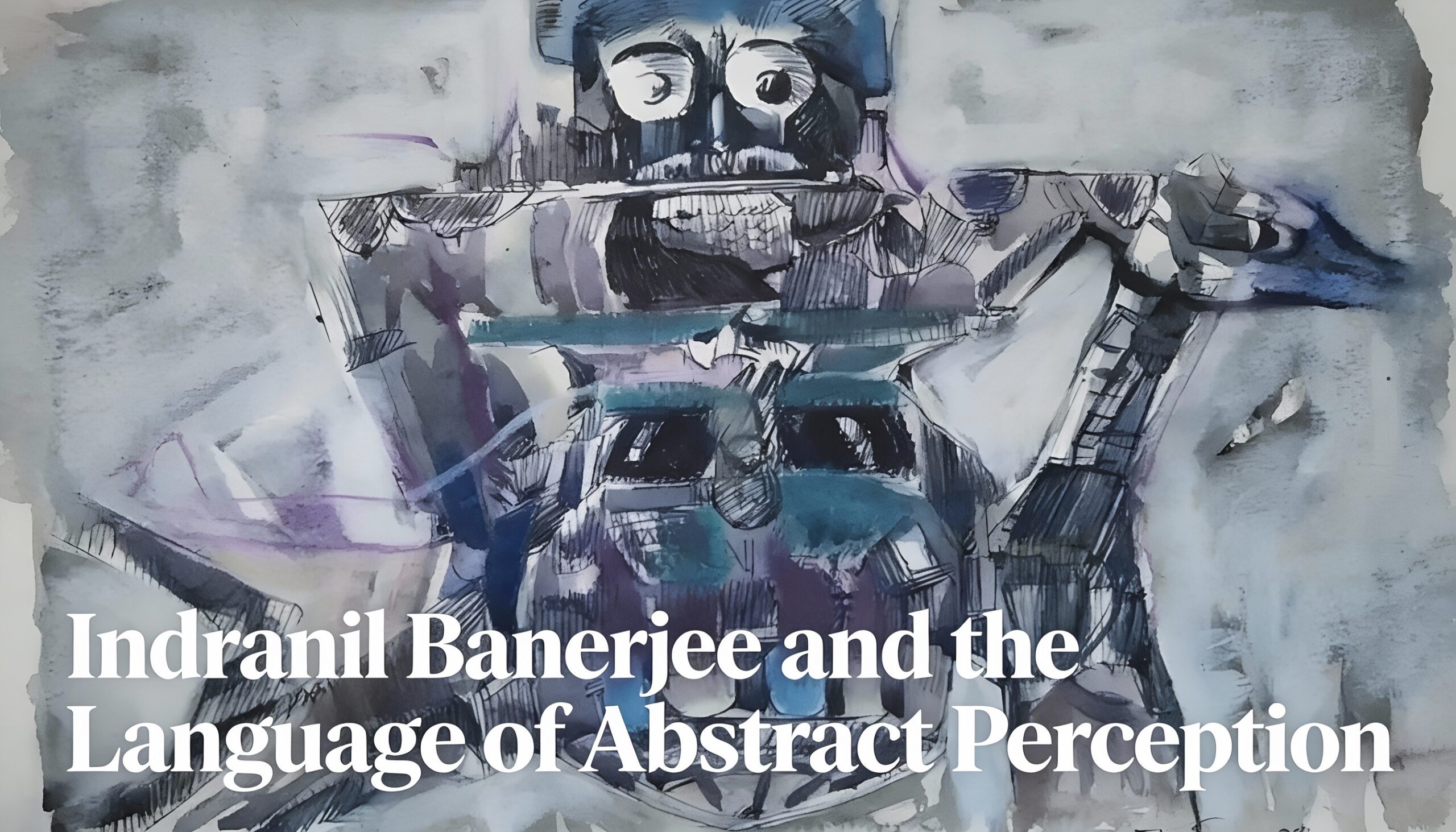
A structured abstraction approach developed by Indranil Banerjee introduces geometric discipline into abstract expression. This method places visual elements where the human eye naturally expects them. As a result, abstract compositions become readable without turning representational. The artwork feels intuitive while remaining open to interpretation.
Geometric Logic behind Modern Texture Paint Designs
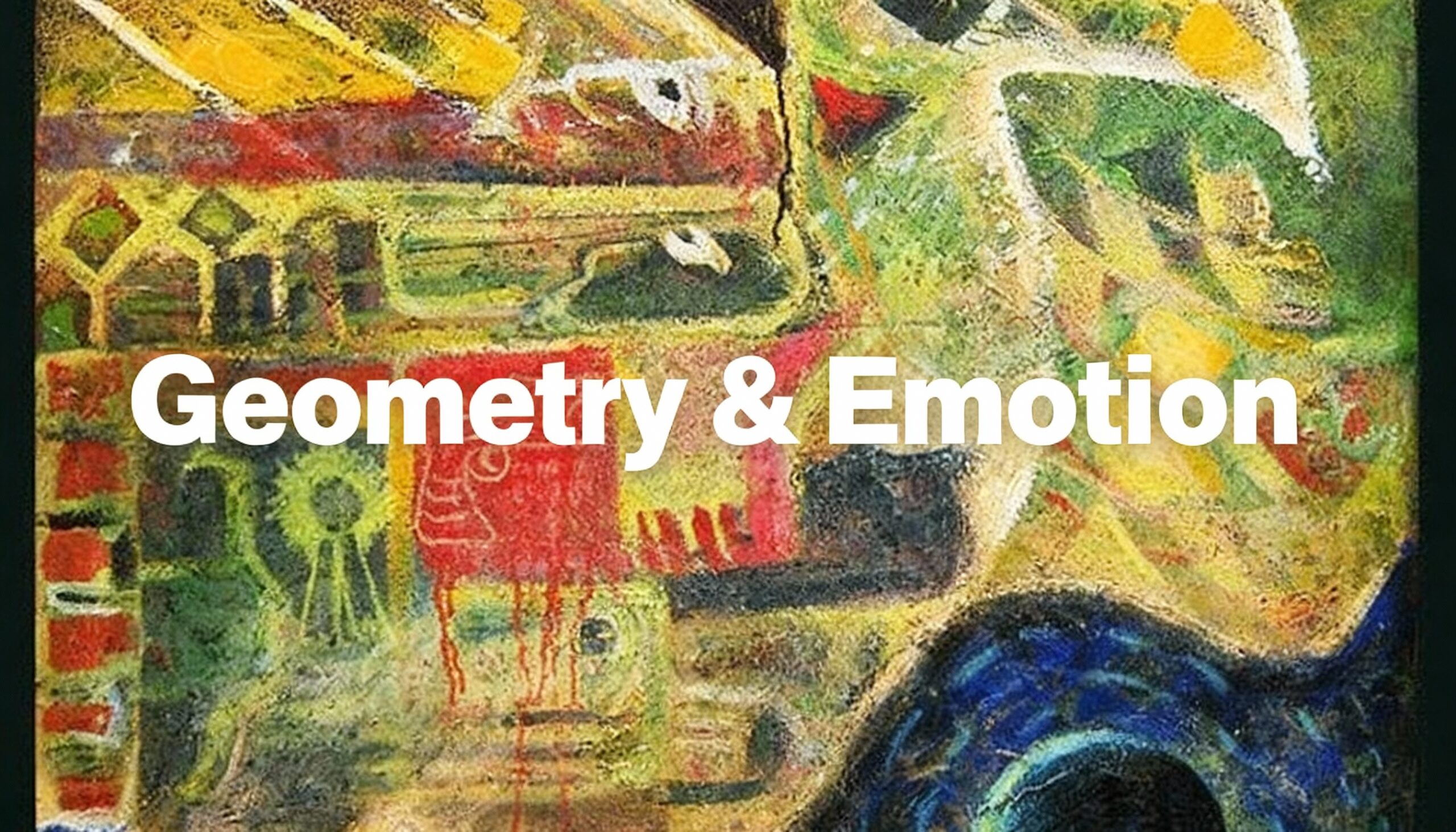
Geometry forms the visual foundation of many modern texture paint designs. Artists organize abstract elements using proportions inspired by real-world subjects. This structure activates recognition through subconscious visual memory. Viewers respond instinctively to familiar spatial arrangements.
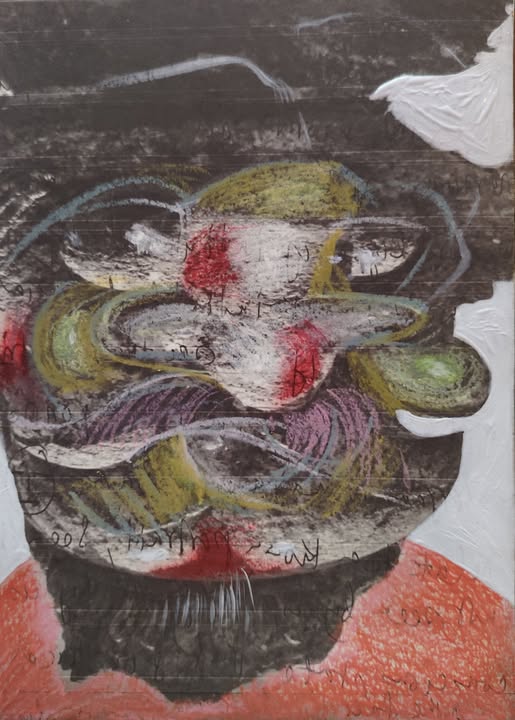
Abstract portraits often preserve traditional facial alignment, even without realistic detail. Shapes appear where eyes, noses, and mouths usually exist. The brain identifies this structure immediately. Recognition occurs without conscious effort, making abstraction feel approachable.
This geometric consistency helps viewers remain oriented within the artwork. Instead of feeling overwhelmed, they feel guided through the composition. The artwork communicates intention while maintaining artistic freedom. Structure and abstraction coexist harmoniously.
Role of Texture Paint in Form Recognition
Artists often simplify complex subjects into essential geometric forms. Circles, ovals, and angular shapes replace literal representation. These forms remain abstract but contextually meaningful. The viewer senses familiarity without seeing realism.
In modern texture paint designs, thick paint physically defines these simplified forms. Raised surfaces interact with light, producing highlights and shadows. This interaction enhances depth and spatial clarity. Texture becomes a visual language rather than decoration.
Different textures serve different purposes within one composition. Smooth areas naturally attract focus. Rough surfaces create visual distance and tension. This contrast helps viewers discover hidden forms organically.
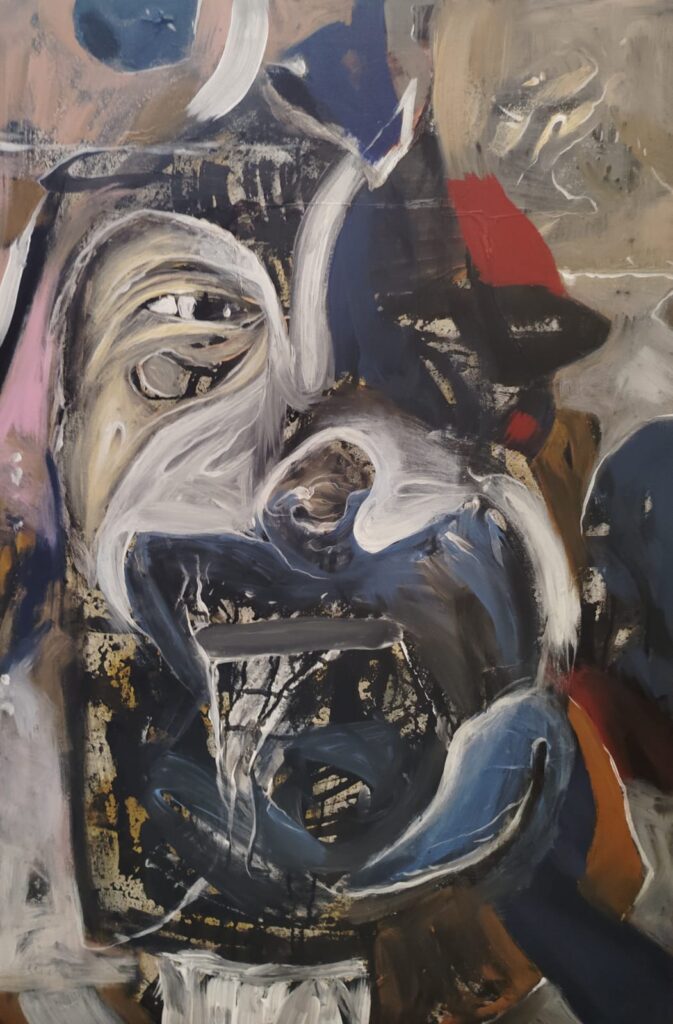
(Oil & acrylic on canvas)
Psychological Engagement through Abstract Patterns
Human perception naturally searches for order within visual complexity. This instinct explains why people recognize faces in random textures. Psychologists call this phenomenon pareidolia. Artists intentionally engage this response through abstraction.
Modern texture paint designs use familiar relational patterns to activate recognition. Abstract shapes align with expected visual relationships. Viewers become active participants in interpreting the artwork. Meaning emerges through observation and imagination.
Gestalt psychology explains how the mind completes incomplete forms. The brain fills gaps to create cohesive images. Texture paint strengthens this process by emphasizing structure and depth. Viewers experience both curiosity and satisfaction.
Transforming Objects into Familiar Visual Forms
Everyday objects often share proportions with living forms. Artists use this similarity to create layered visual meaning. A structure may resemble a face without direct depiction. Recognition arises through proportion rather than detail.
Windows may function as eyes within a composition. Doors or pathways can suggest central facial features. These visual cues trigger recognition through placement alone. The artwork feels intentional without being literal.
Texture paint reinforces these visual parallels effectively. Raised outlines define form without illustration. The result feels intelligent, engaging, and emotionally resonant. Viewers connect instinctively with the composition.

Key Principles of Modern Texture Paint Designs
Artists position abstract elements where familiar features naturally appear. This placement enables instant recognition without realism. Creators simplify forms into geometric shapes with intentional proportions. These shapes remain readable despite heavy abstraction.
Many compositions parallel human or animal forms using objects or environments. This strategy adds conceptual depth and visual surprise. Texture paint enhances structure through depth and surface variation. The artwork remains abstract yet visually grounded.
Expanded Applications of Modern Texture Paint Designs
Modern texture paint designs extend beyond gallery walls today. They appear in murals, interior spaces, and public installations. Recognizable abstraction improves viewer engagement in shared environments. Art becomes more accessible in everyday settings.
Sculptors apply similar geometric logic to reveal profiles from specific angles. Digital artists embed hidden forms within layered visual systems. Designers use this approach to create conversation-driven spaces. Each application invites exploration and interaction.
These expanded uses increase emotional accessibility. Familiar forms evoke memory and curiosity together. Abstract art becomes inclusive without losing sophistication or depth.
Why Modern Texture Paint Designs Matter Today
Artists continue proving that abstraction and recognition can coexist successfully. Geometric structure anchors expressive surfaces with clarity. This balance deepens emotional and intellectual engagement. Viewers feel both challenged and comforted.
Modern texture paint designs invite interpretation without intimidation. Discovery feels personal and rewarding. Each interaction becomes memorable and meaningful. By merging structure with freedom, artists ensure lasting relevance. Modern texture paint designs now define relatable contemporary abstraction.