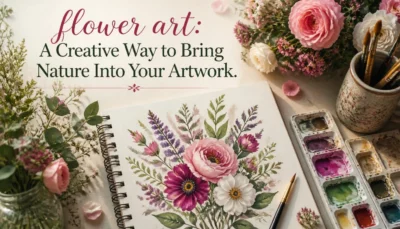

resin art has transformed from a niche craft into one of the most exciting forms of modern artistic expression. Walk through any handmade market, browse a creative social media page, or visit an artisan exhibition, and you are likely to find glossy resin coasters, colorful abstract wall pieces, delicate jewelry, and decorative trays catching everyone’s attention.
What makes resin so fascinating is its ability to turn simple materials into something extraordinary. A splash of pigment, a handful of dried flowers, or a few metallic flakes can become part of a piece that feels completely unique. Unlike many traditional art forms that require years of technical practice, resin allows beginners to create visually striking work while still leaving plenty of room for artistic growth.
Whether you are interested in creating home décor, handmade gifts, or simply looking for a new creative outlet, resin offers a refreshing way to experiment with color, texture, and design.
Understanding the Material Behind the Magic
Every resin project begins with a liquid material that gradually transforms into a hard, glass-like surface. Once cured, resin becomes durable, glossy, and resistant to water, making it ideal for both decorative and functional pieces.
Most artists work with synthetic resin, which is created by combining two components: resin and hardener. When mixed together, the chemicals undergo a chemical reaction, causing the liquid to solidify over time.
The transformation is one of the reasons so many creators enjoy working with resin. Watching swirling colors slowly settle and cure into a permanent design feels almost magical.
The finished surface often resembles polished glass, adding depth and dimension that can be difficult to achieve with paint alone.
Why Artists Are Drawn to Resin?
Creative freedom is perhaps the biggest attraction. With resin, there are very few rules. Artists can create fluid abstract paintings, preserve flowers from special occasions, design jewelry, or produce practical home accessories that are both beautiful and functional.
Some of the most popular reasons people choose resin include:
- Brilliant glossy finishes
- Unlimited color combinations
- Ability to preserve natural elements
- Long-lasting durability
- Opportunities for experimentation
- Suitable projects for every skill level
No two resin pieces are ever exactly alike. Even when following the same process, slight differences in color movement and curing create unique results.
resin art Techniques Worth Exploring
One of the most exciting aspects of working with resin is discovering different techniques.
- Dirty Pour
Several colors are mixed into a single cup before being poured onto the surface. As the resin spreads, unexpected patterns emerge naturally.
- Layered Pour
Colorists apply white and black ink layers one by one to create depth and enhance contrast. This is really helpful when drawing things like ocean-themed images.
- Swipe Technique
Using a plastic scraper or palette knife, resin is dragged across the surface, creating dynamic movement and texture.
- Cell Creation
They introduce silicone additives that enable artists to create cellular patterns resembling natural stone or underwater formations.
- Embedded Designs
Flowers, leaves, shells, photographs, and decorative elements can be placed within resin to create personalized artwork.
Each technique offers a completely different visual effect, allowing artists to develop their own creative style.
Choosing the Right Supplies
Successful projects begin with quality materials. For beginners, a basic setup generally includes:
- Resin and hardener
- Mixing cups
- Stir sticks
- Protective gloves
- Silicone molds
- Pigments or inks
- Heat gun or torch
- Protective covering for work surfaces
While it can be tempting to purchase the least expensive supplies available, quality materials often produce clearer finishes and more reliable curing results.
Creating a Workspace That Supports Better Results
A clean environment plays a major role in the final appearance of resin art. Dust, pet hair, and debris can easily settle on wet resin, creating imperfections that become trapped once the material hardens.
Many experienced artists dedicate a specific area to resin projects where they can control dust and maintain consistent temperatures.
Good ventilation is equally important. Since uncured resin can release fumes, working in a well-ventilated room helps create a safer and more comfortable experience.
Popular Resin Projects for Beginners
Starting with simple projects allows new artists to become comfortable with the material before attempting larger pieces.
- Coasters
Coasters are often recommended as a first project because they require relatively little resin and offer plenty of opportunities for experimentation.
- Jewelry
Resin jewelry continues to be one of the hottest categories amongst makers. Single serve molds allow for small adjustments in color or decorative accents.
- Decorative Trays
Serving trays are a blend of artistic expression and utility. They also offered a larger canvas for playing with designs.
- Wall Art
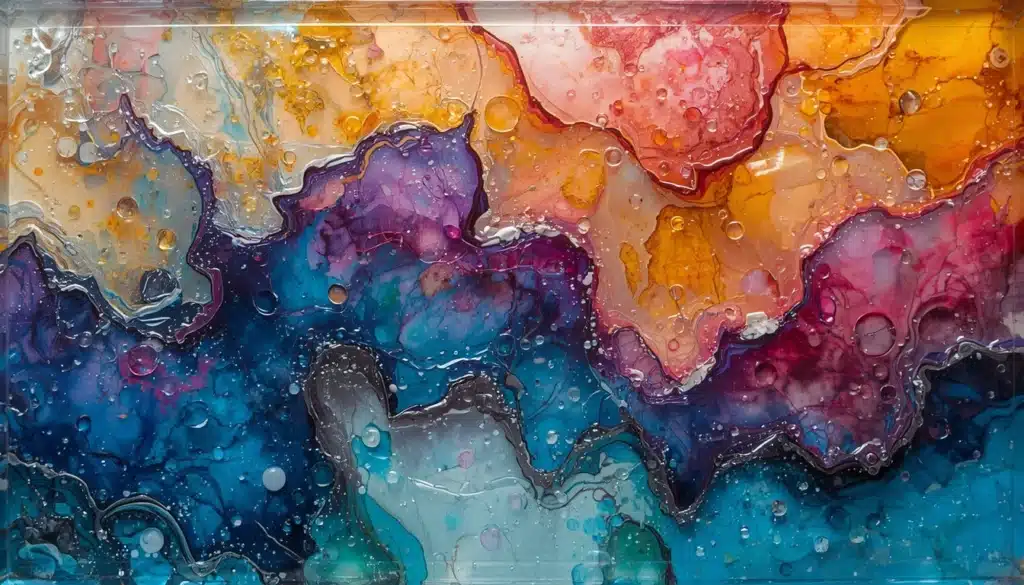
Abstract resin paintings have become popular for their natural depiction of fluid flow and the viscous color blends that can occur.
Common Challenges and How to Avoid Them
All artists face struggles on their journey. Some of the more common problems are:
- Air bubbles are getting stuck within the resin
- Surfaces that are sticky and won’t allow the mistakes to be repaired
- Uneven curing
- Dust contamination
- Overuse of pigments
Patience will be a valuable tool in many ways. Effects can be dramatically improved by taking the time to calibrate properly, blend thoroughly, and allow adequate healing.
Most mistakes are explorations of opportunities that help artists refine their strategies.
The Growing Popularity of Handmade Resin Creations
In recent years, handmade resin products have gained significant interest among collectors and buyers who opt for specialty crafts. Many small businesses now specialize in:
- Personalized gifts
- Wedding Memories
- Home Décor
- Jewelery Collection
- Custom Art Committee
The call for handmade products was for many hobbyists to turn their creative games into hit ventures. For artists, resin offers a wealth of opportunities for personal pride and business skill.
Conclusion
This art still appeals to producers because it combines imagination, experimentation, and craftsmanship in a way that few different media can. From vibrant abstract artwork to delicate handcrafted earrings, the possibilities are almost endless.
The beauty of resin nowadays lies not only in its smooth finish but also in the freedom it gives artists to explore new ideas without harsh constraints. Each drop creates something almost unique, making each assignment a unique reflection of the author’s imagination and foresight.
Whether you create for relaxation, self-expression, or creative growth, resin art will give you a meaningful journey full of shade, creativity, and endless supply.
FAQs
Is resin art suitable for beginners?
Yes. Many resin projects such as coasters, jewelry, and decorative pieces are beginner-friendly and help build confidence with the material.
How long does resin take to cure?
Most resin products become touch-dry within 24 hours and fully cure within 48 to 72 hours, depending on the brand and environmental conditions.
What can be added to resin artwork?
Artists commonly use pigments, glitter, metallic powders, dried flowers, shells, stones, and photographs to create distinctive resit art designs.