The basics of drawing are easy to pick up, but honing your skills requires time and effort. Rest assured, even the most skilled artists experience setbacks; in this piece, we will endeavor to simplify the fundamentals of sketching. The basics of easy drawings include simplifying shapes, drawing contours, and understanding light and shade. By mastering the art of breaking complicated shapes into their individual pieces and putting them back together again, one can acquire the skill of accurate proportions and perspective.
It could seem that only the most talented people can draw. Though, it’s a skill that anybody can learn. Improving one’s sketching skills is similar to learning a new language or a musical instrument: it takes practice. The keys are to take baby steps, focus on learning the ropes, and gradually boost your self-assurance.
Drawing provides a calming and self-aware hobby in a world where digital screens rule our lives. It gives you the freedom to explore the arena at your own pace and in your own way. Whether your goal is to draw realistic pictures or you simply want to enjoy doodling between meetings, learning basic sketching skills could be the beginning of a creative journey that lasts a lifetime.
Significance of Drawing in the Arts!
Sketching is an essential tool in many artistic and creative fields. The first step in making a painting is usually to plan out its layout and structure. It is common practice for sculptors to start with drawings while developing ideas for their three-dimensional works. Architects rely heavily on architectural and technical drawings to materialize their ideas.
Many people, regardless of their artistic abilities, find that drawing helps them. Its visual form is helpful for communicating ideas, coming up with new ones, and solving difficulties. Easy drawing can be a healing exercise as a form of self-expression and meditation. Furthermore, it encourages inventive and creative thinking among people of all ages, which in turn fosters a respect for the visual arts.
Recognizing the Importance of Understanding the Fundamental Shapes
One approach to drawing is to break down complicated objects into their most basic forms; this helps you to see beyond your familiarity and into the unknown. Gather all of your materials and tools and familiarize yourself with them before beginning a project. If you want to ease into drawing and start jotting down ideas, a warm up is the way to go. Your pen’s full potential can be discovered by experimenting with different mark-making procedures.
Pull out your preferred writing tool and start doodling. Line work comes in a wide variety. Scribbles, doodles, dots, stipples, hatching, and more can be created by experimenting with various shapes, sizes, and strokes of your drawing tool. Plus, you may try out various pressures to see what works best. Have fun; you won’t stick with practice if you allow yourself to get irritated or bored.
Learning to Draw Basic Shapes and Why It Matters
Mastering simple forms is the first step in learning how to draw. Taking detailed notes on your immediate surroundings could be daunting if you don’t train yourself to see things from a different angle.
- The initial stage is to recognize the larger shapes; the second is to subdivide them; and the third is to repeat the process. The fine print is near the conclusion.
- By rearranging and altering the larger shapes at the top of your drawing, you should ensure that they are balanced and proportional.
- It all starts with these lines, and from there the rest of the product follows. Paying attention to proportions at the outset will pay dividends when it comes time to add detail to a sturdy foundation.
- Fixing alignments and dimensions after you’ve already gotten far into sketching is a frustrating, depressing, and time-consuming ordeal.
Elevate Your Drawing Abilities: Shape It Up!
Mastering the art of drawing requires time and effort, the same as any other ability. Try drawing simple things at start if you’re looking to hone your drawing abilities. Indulge your artistic side with these simple sketching ideas that won’t take much time or energy.
Geometric forms
If you’re a beginner painter, you could think that shapes are too easy. If you’re looking for something easy to draw, shapes are a fantastic choice because they are the foundation of all visual art genres. Before moving on to more difficult and detailed projects, it is essential to have solid shape drawing skills. To get the hang of drawing shapes, try out different sizes until you find what works best for you.
Line Drawings
Overly geometrical artwork may be frightening to some viewers. However, drawing lines to form patterns is within your skill set, thus you should have no trouble making something similar.
Must-Have Art Supplies for Beginners
You don’t need to go overboard with imaginative tools for simple sketching ideas when you’re just beginning out. Conversely, there are a handful of essentials that should be in the arsenal of any artist.
Pencils with points
If you are a beginner artist or just want to play it safe, a graphite pencil is a good choice. How simple it is to correct errors is just another wonderful feature of this program.
Art Supplies
Inking or sketching with pens is the finishing touch for some painters’ pencil work. We have specialist pens for every form of linework, from cartooning and sketching to drafting and calligraphy and beyond. Check out our top picks for drawing pens.
Colored pencils
When drawing with wooden pencils, switching to colored pencils will give you far more nuanced results. In addition, we have made a list of the best-colored pencils, in our opinion.
5 easy drawings idea with detailed directions
Here are some easy drawings that are perfect for beginners to help keep you motivated and inspired while you master the basics of drawing.
Landscapes
When creating a landscape drawing, the artist is not limited to depicting specific types of terrain. Need some inspiration for your first landscape drawing? Some possible landscapes to sketch include hills, forests, beaches, deserts, and valleys.


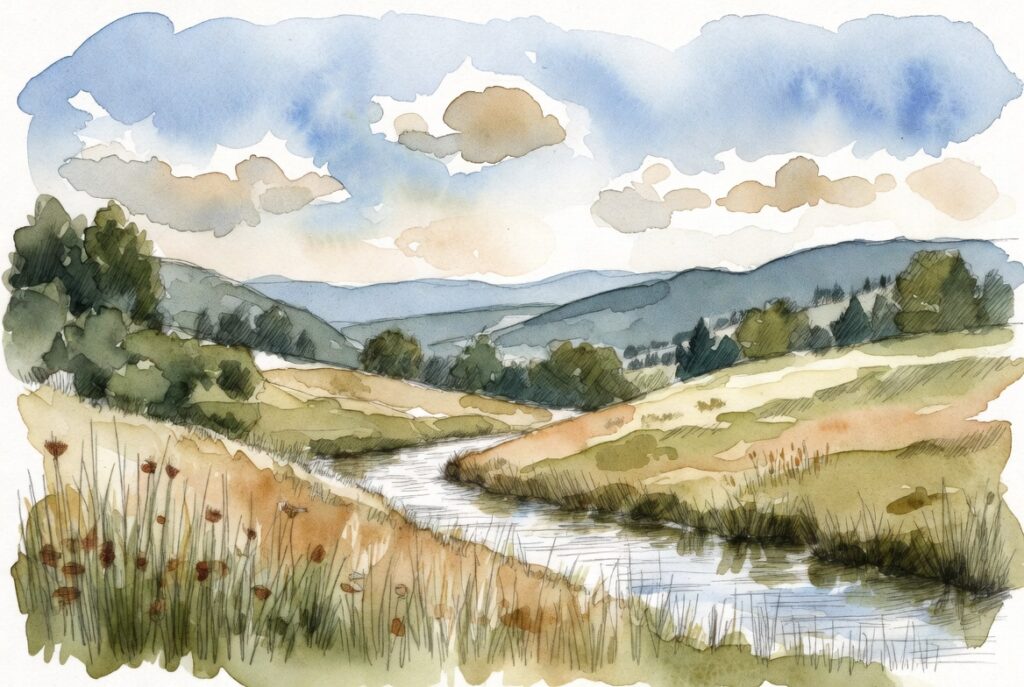
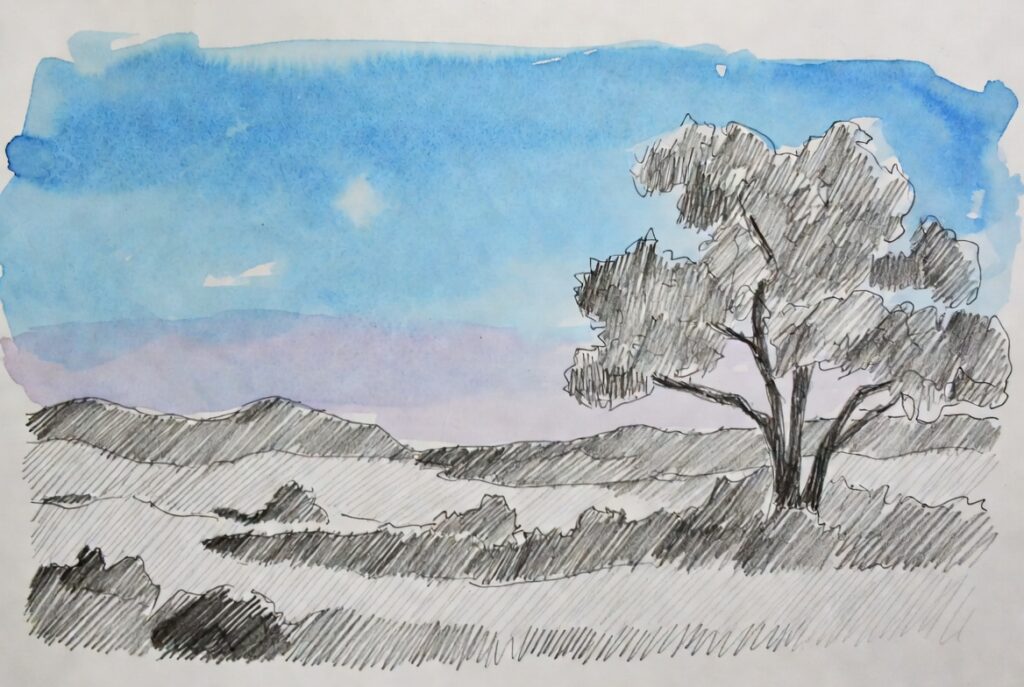
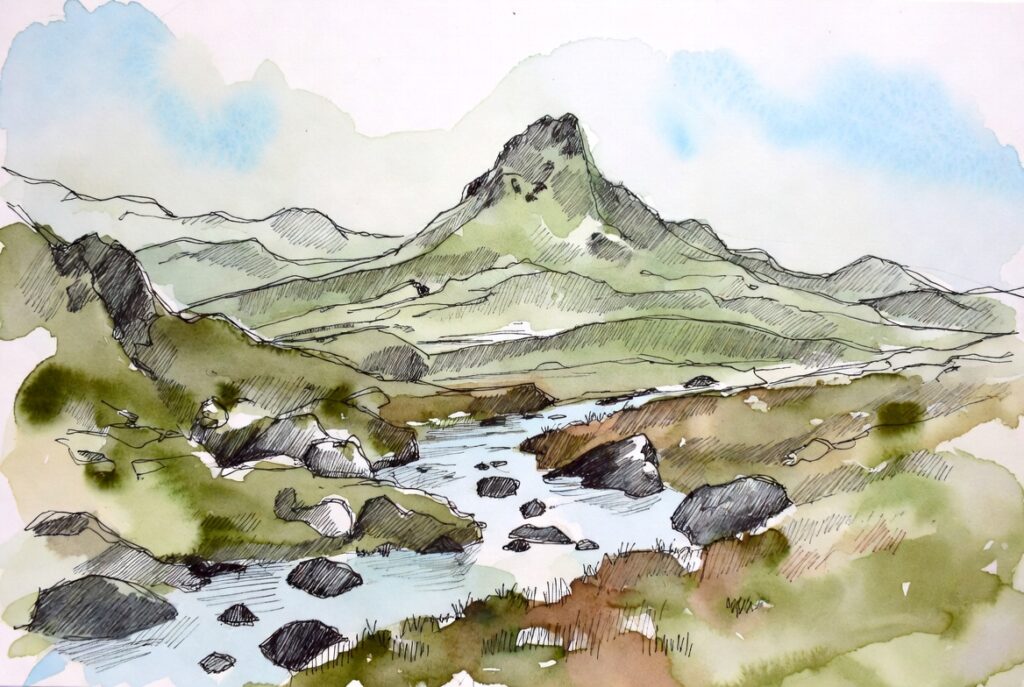
Another great suggestion is to sketch a landscape. This will help beginners with shading, texture, perspective, and detail. Furthermore, you can commemorate a special place in your life with their help.
Butterfly
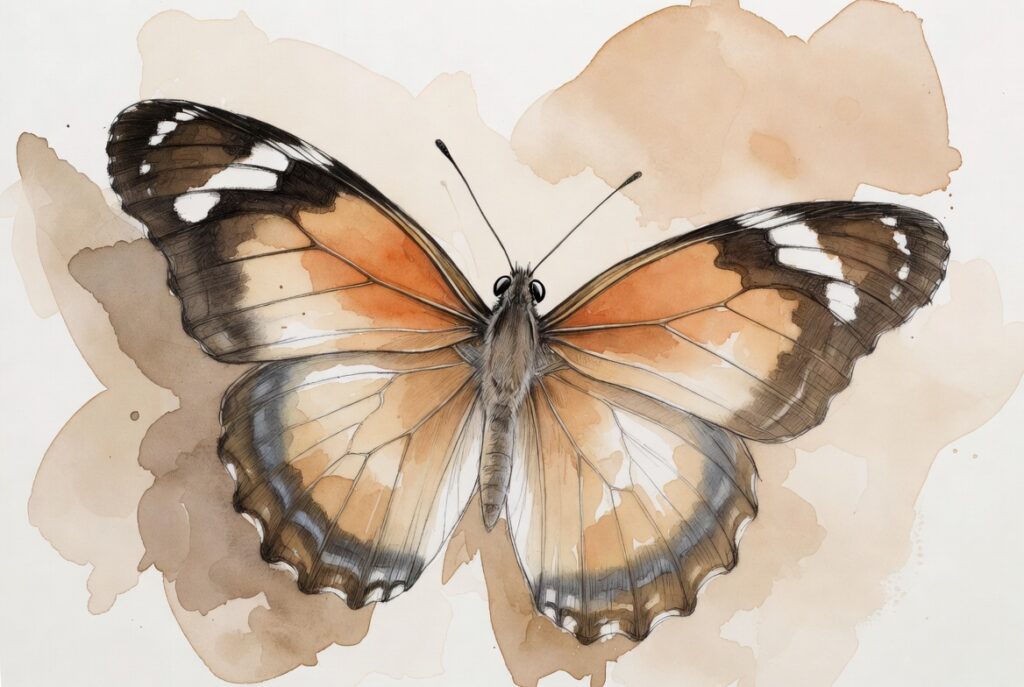
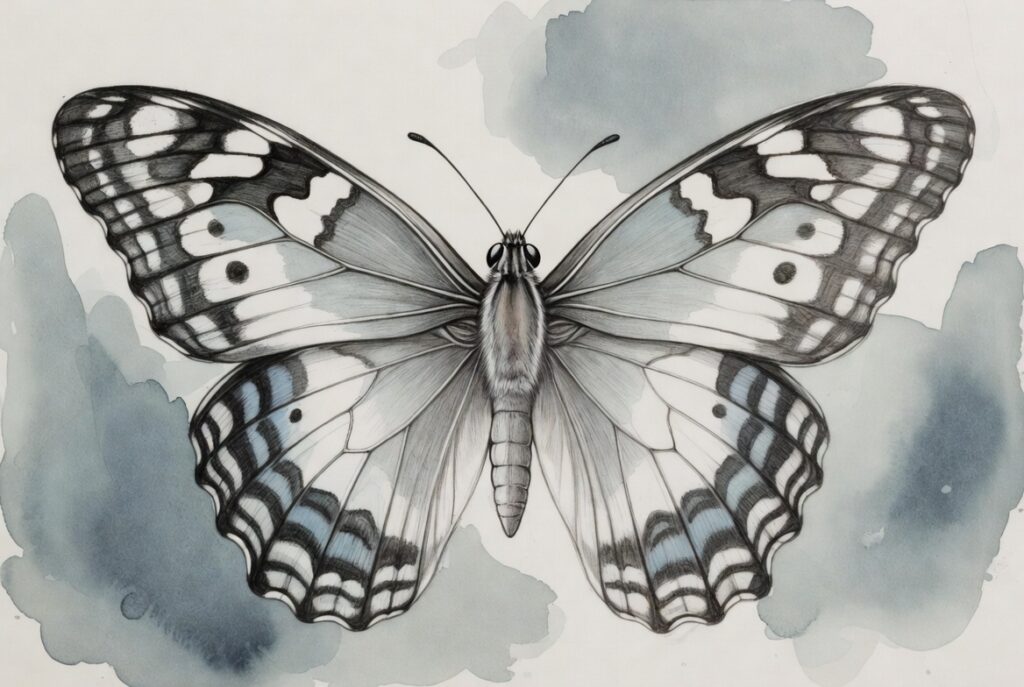
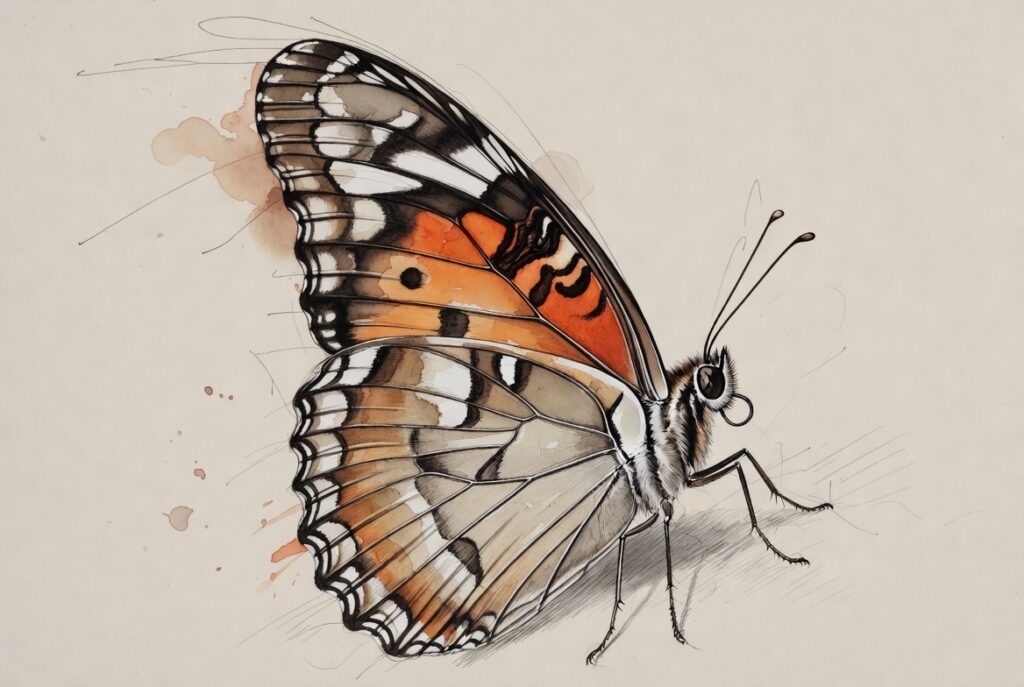
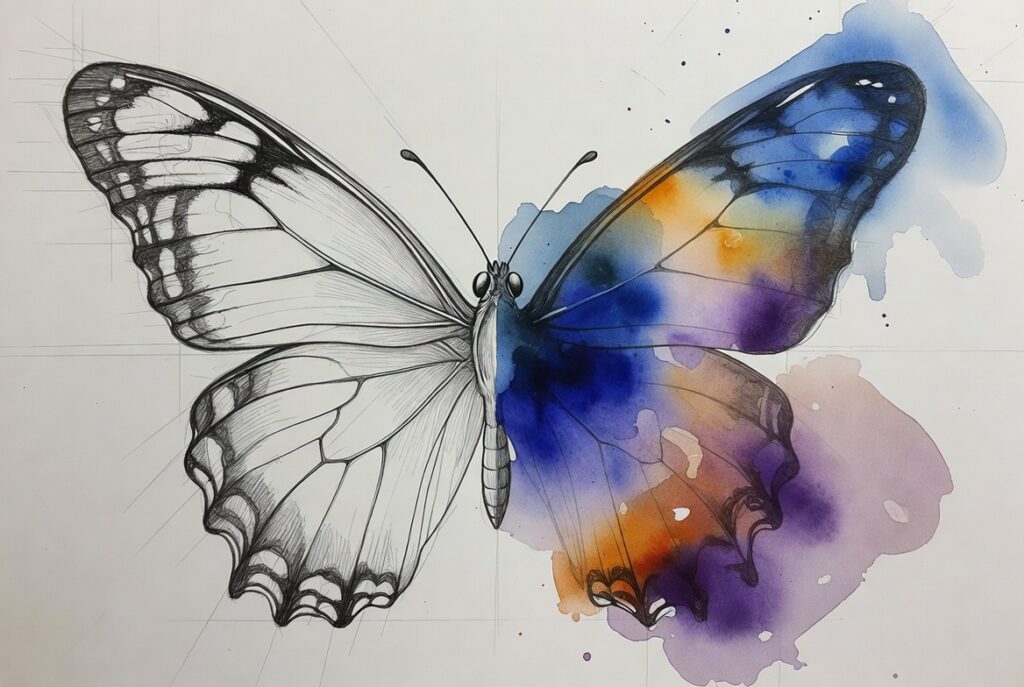
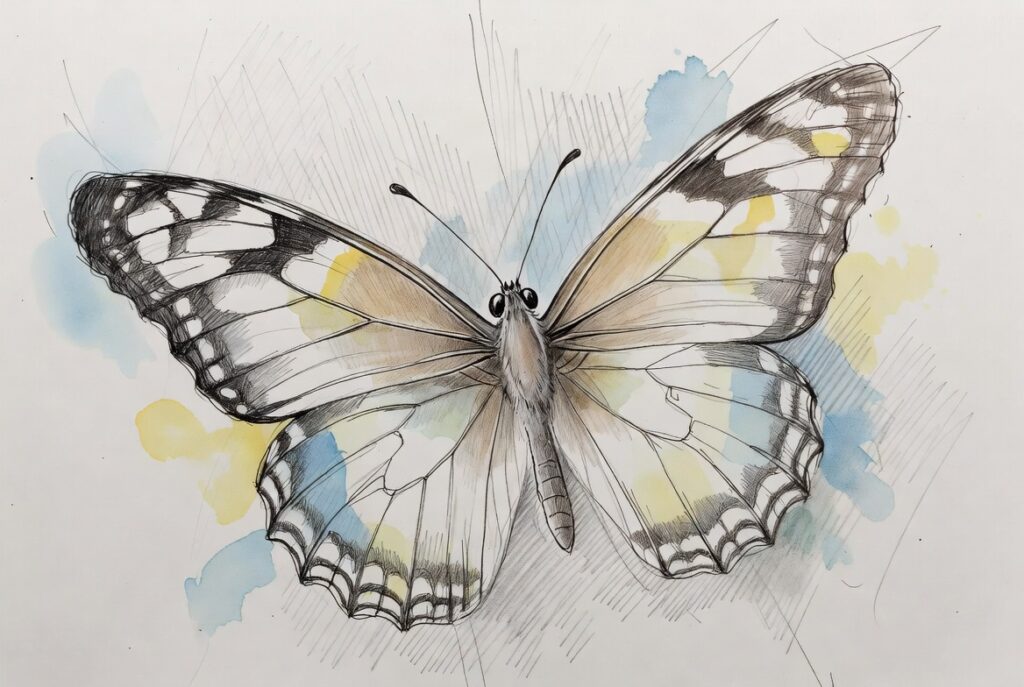
When sketching a butterfly, you have complete creative freedom. Reason being, a butterfly’s wing pattern can be as intricate or minimalistic as the artist wishes! Make a basic butterfly sketch first, and then add features as you feel comfortable. Another wonderful technique to play around with color is to paint a butterfly’s wings. Aiming for perfection might inspire you to try your hand at fusing different kinds of art. Break free those beautiful wings.
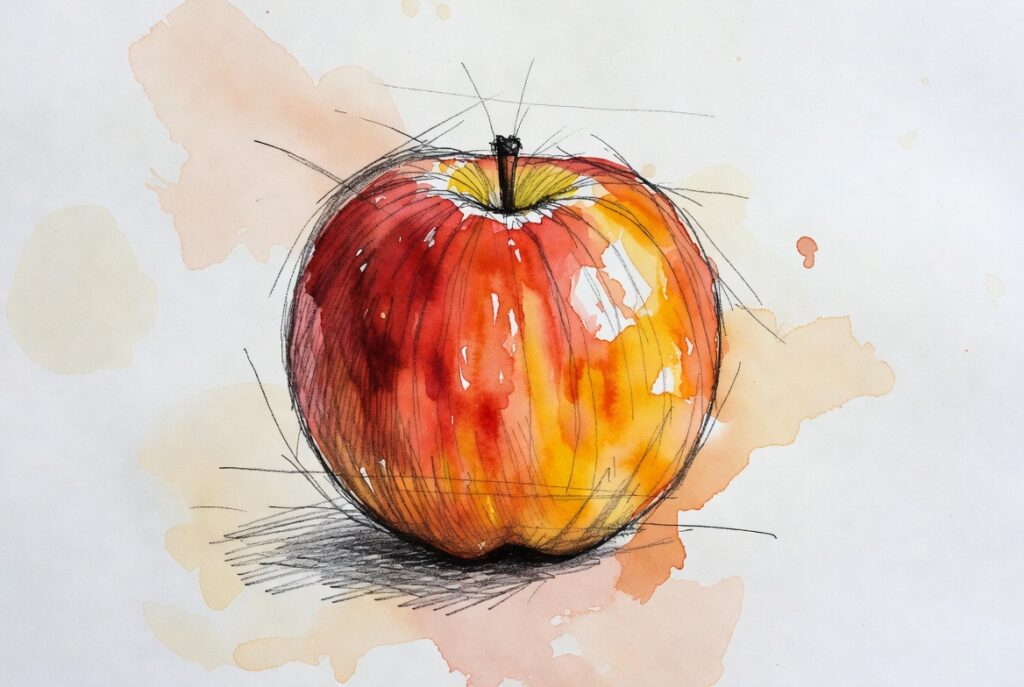
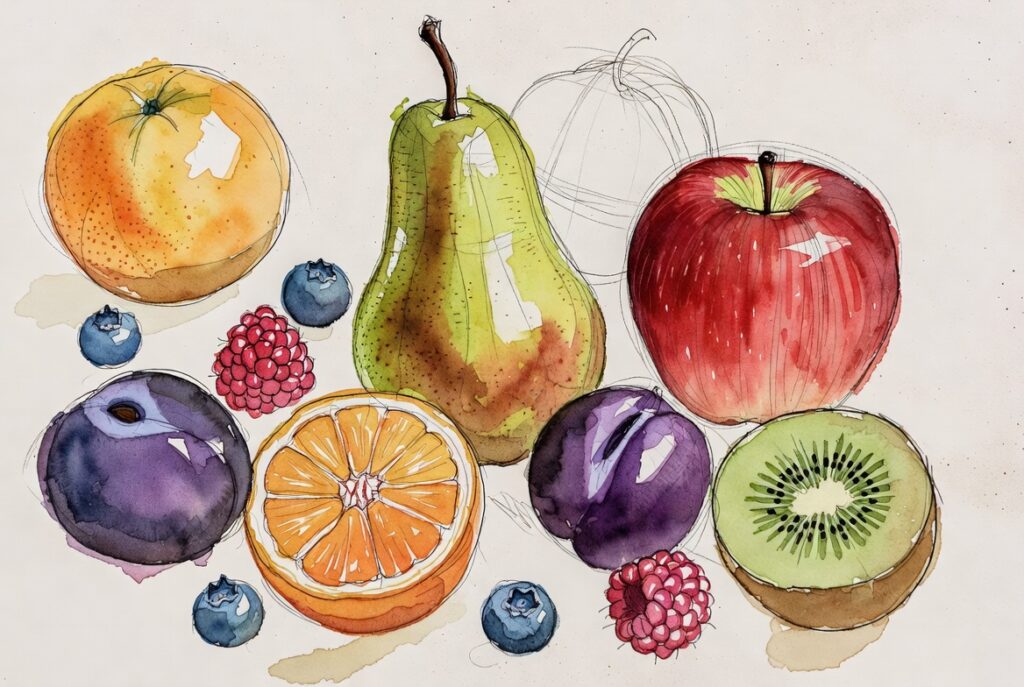
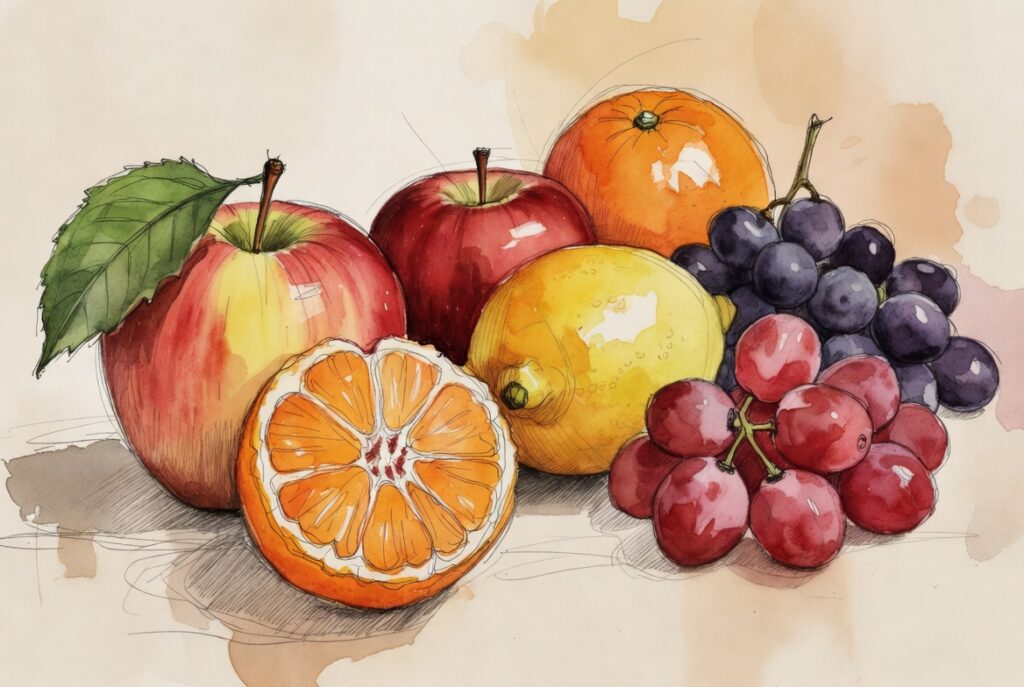
Fruit
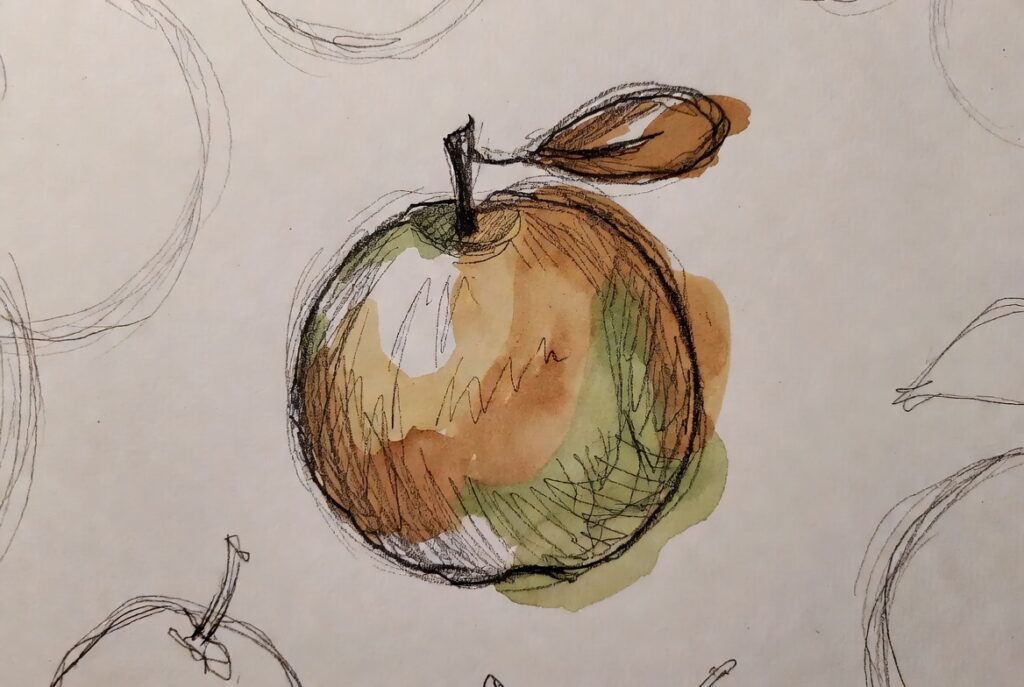
Fruit plates occur frequently in artwork for a good reason. If you’re just starting out with drawing, it’s quite fine to use fruit as your subject. It’s a favorite among creative types. To enhance your art education, lay out some fruit in a dish, grab your sketching instruments, and go to work.
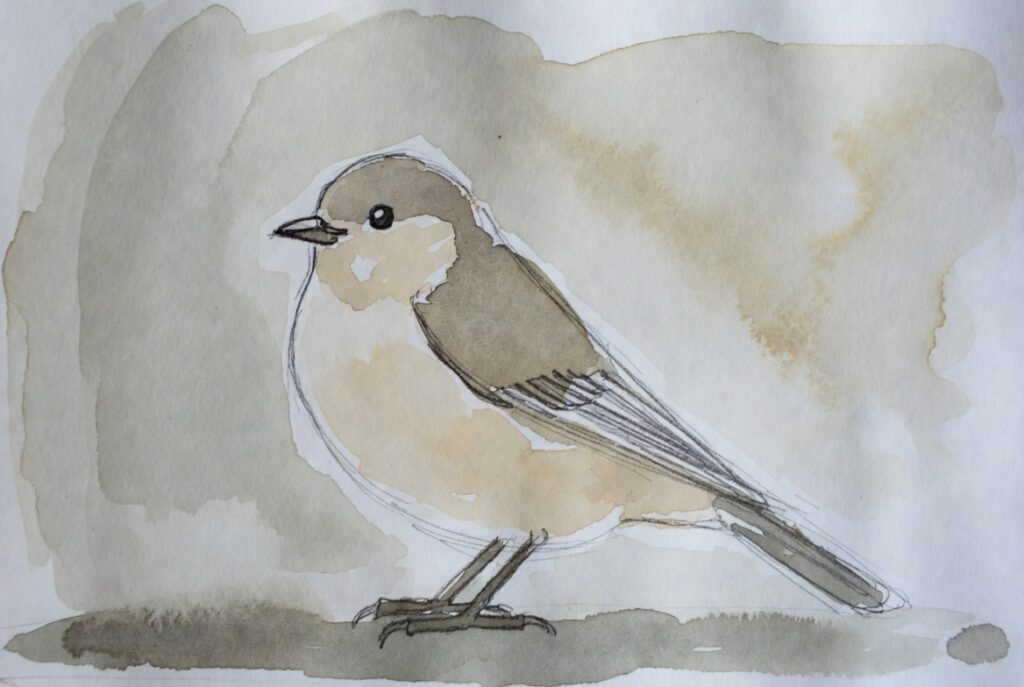
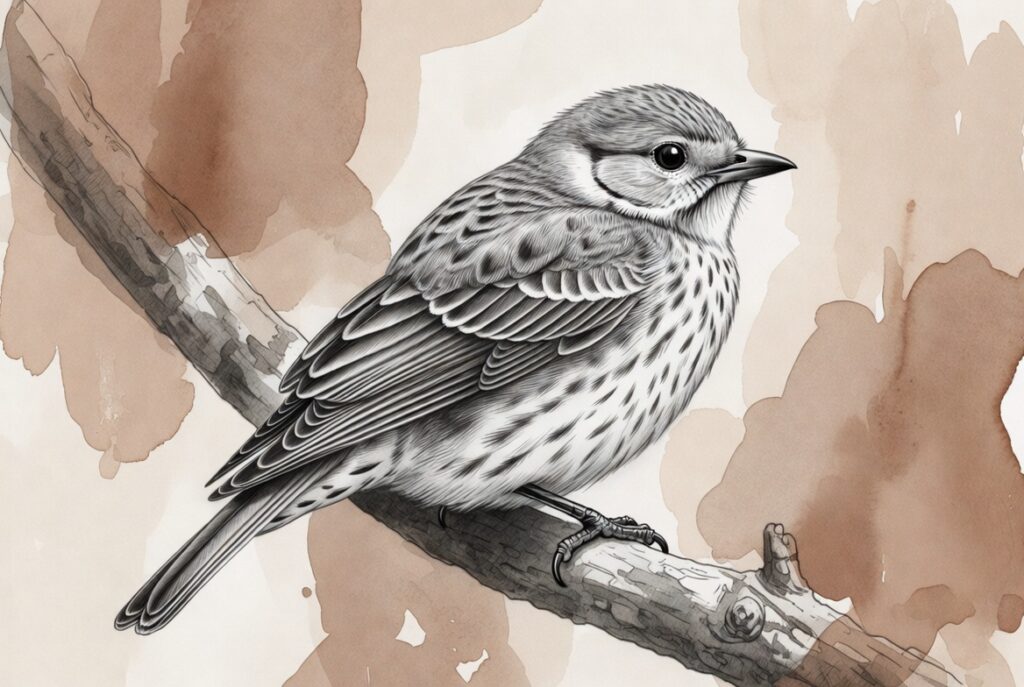
Bird
Bird art encompasses a wide range of mediums and styles. Mastering the ins and outs of bird anatomy will prepare you to work with a wide variety of species. You can enhance the appeal and instructional value of your bird drawings by including birds in flight or perched on branches.

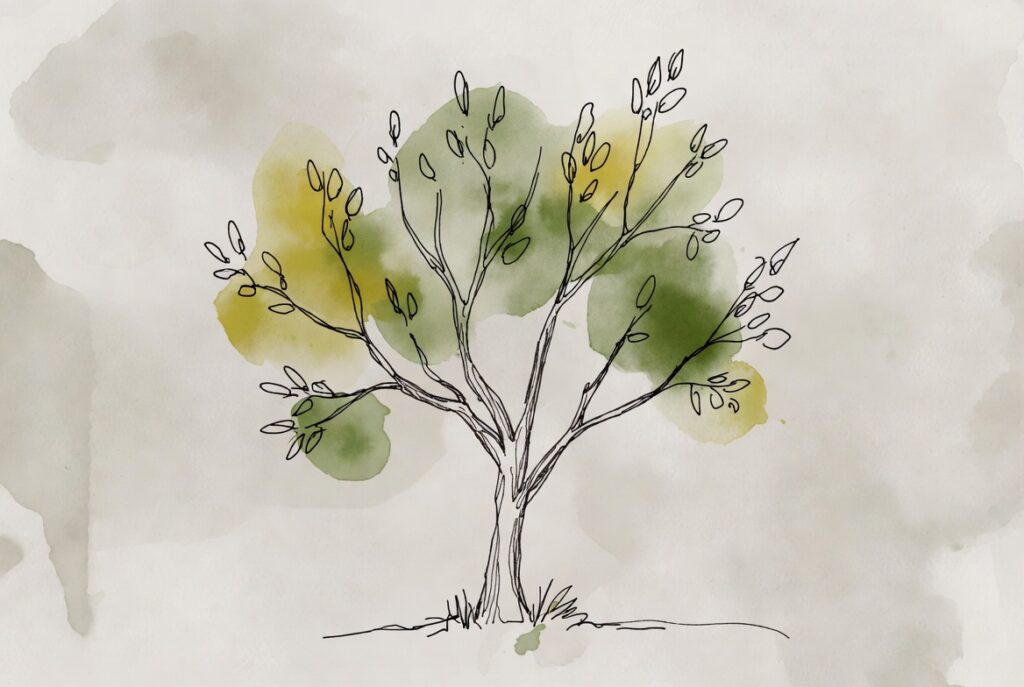
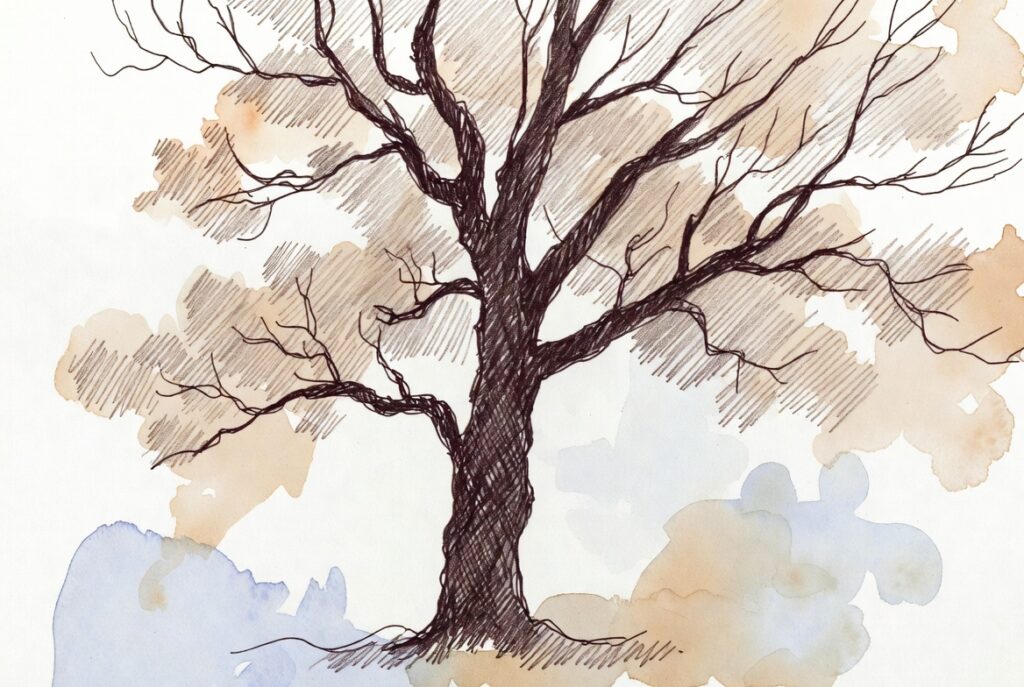
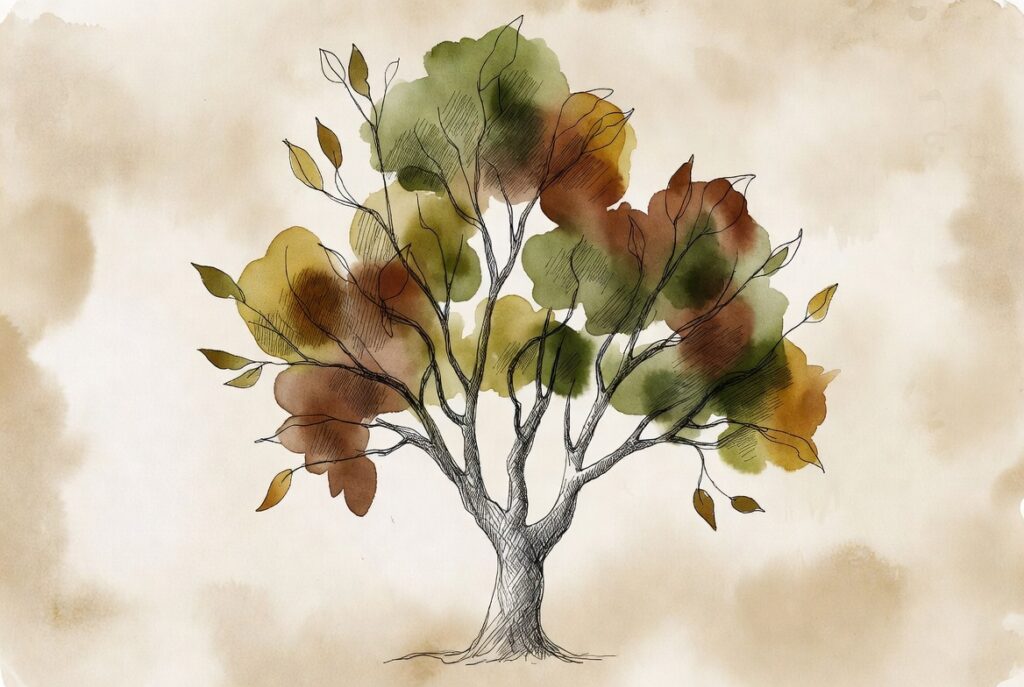
Tree
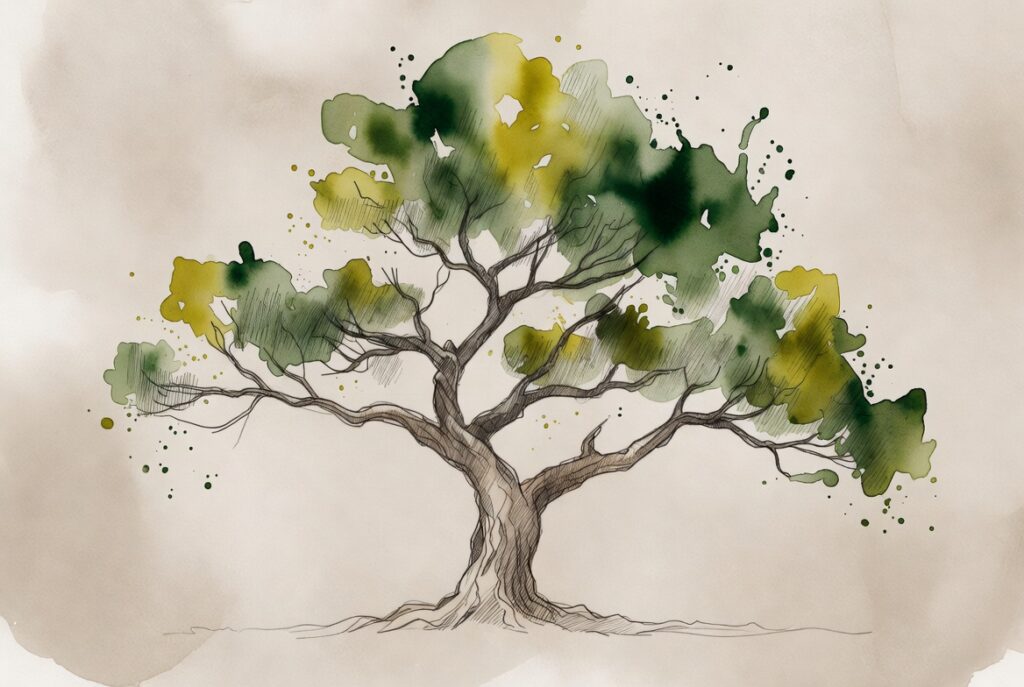
You have already learnt the importance of drawing landscapes, but you also have the option to concentrate on sketching a single tree that would be present in a landscape. Mastering the form and structure of trees requires practice, therefore it’s a good idea to practice with both leafless and fully leafed trees. This will help you create more solid and realistic drawings in the future.

Laying the Groundwork: Essential Drawing Skills
Seeing Basic Geometric Forms
When you look at something, what does your gaze show you? A little mayhem would be visible to the ordinary observer, wouldn’t you agree? That’s why we should go for simpler forms if we want to understand everything. Rectangles, ovals, triangles, and other fundamental shapes can be easily visualized and recorded.
Envision yourself smack dab in the midst of a vibrant metropolis. Various building sizes can be observed with a variety of chimneys, windows, and pitched roofs. Instead of getting bogged down in the details, you look at the larger picture. It would be far more logical to draw a block with several buildings instead of just one person. After the first set of houses is marked out, the second set is compared. What dimensions does it have? After you’ve placed the blocks correctly, you can adjust their size and position to get the desired effect. After breaking each shape down into its constituent parts, we divide them again. That’s how you draw.

Working with a Soft, Pastel Shade
Make sure the initial lines are exact if you want your drawing to be self-sufficient. Creating art is less of a natural talent and more of a process of experimentation. Skilled artists are able to take setbacks as opportunities to grow and improve. Yes, even the most seasoned artists have been there, done that.
Use a delicate touch and avoid pressing down too hard when drawing with a dark pencil. For better control of touch and grip, keep the paper vertical as you draw. Keeping lines can give subjects movement, and erasing mistakes isn’t always necessary.

Making Outlines and Curves
After the fundamental proportions and shapes have been defined, the next step is to add substantial structure by defining the important outlines. In a perfect world, these lines would radiate confidence while still being adaptable enough to handle changes. The figure is silhouetted by the outside outlines, while the inside lines give substance.
As you continue, adjust and redoes as you fill out the fundamental forms. While it’s easier to brush off minor errors in the periphery, absolute precision is required for the focal center. By balancing size and proportion and emphasizing focal points, you may provide the impression of depth and three-dimensionality. It may be necessary to resolve adjacent related shapes in order to resolve a single shape.
Concerns Regarding the Use of Reference Images
Using reference images in drawings carries the danger of overwhelming the viewer with information and adding unnecessary details.
- When you draw from life, you can focus on the details that matter most while you disregard the rest.
- The all-too-common phenomenon of camera lens distortion, or incorrect perspective, can lead to artistic blunders.
- It is expected that artists can identify and correct distorted features when relying solely on reference pictures.
- Using reference photos excessively could restrict your composition and lead you to include elements that you should likely remove or move.
- If you crop a reference photo in half, it could be more difficult to complete the missing pieces without looking at other images.
Conclusion
For your first try at sketching, we have selected some simple items. So that you can understand the basics at first, we will walk you through each step here. Because this list contains a variety of easy drawings for beginners, there is no longer any excuse for you to put off honing your pencil drawing talents. All you need is a pencil, paper, and these basic sketching concepts, and you might find that your artistic confidence grows rapidly.
So far, in this lesson on simple sketching, you have learned how to use a pencil, how to understand light and shade, and how to condense complex ideas into basic shapes. Mastering the art of easy drawings is no different from mastering any other skill. Everyone has the potential to develop into a far more accomplished artist, regardless of their innate talent. It is a must-have skill for everybody aspiring to a career as a visual arts expert.