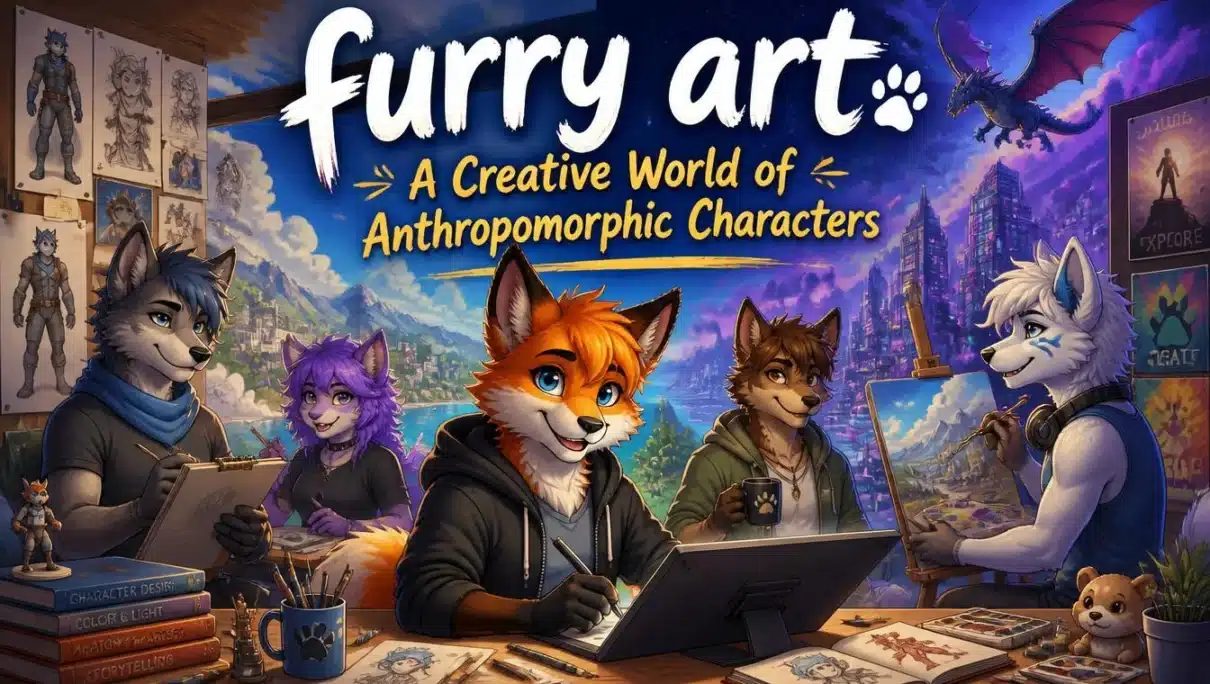
If you’ve browsed digital art platforms or creative communities, you’ve probably come across furry art. Known for expressive animal-inspired characters, colorful designs, and imaginative storytelling, this art form has grown into a global creative movement. While many associate it only with the furry fandom, furry art is much broader. It combines digital photos, character design, animation, world-building, and personal creativity into a unique style.
Whether you’re curious about the genre or thinking of creating your own anthropomorphic characters, understanding furry art opens the door to a fascinating artistic community where imagination has few limits.
Understanding the Basics about furry art
Furry art refers to artwork featuring anthropomorphic animals—animals that possess human characteristics such as speech, emotions, clothing, posture, occupations, or personalities. These characters may resemble realistic wildlife, cartoon animals, mythological creatures, or entirely original species.
In contrast to the traditional natural world analogy, the point of interest is not biological accuracy. Artists aim to create characters that feel expressive, relatable, and full of personality. Typical examples include:
- Wolves wear modern clothing
- Foxes with human expressions
- Dragons living in fairytale cities
- Cats act as detectives
- Rabbits go to school
- Hybrid fantasy creatures with unique traits
Some artists use highly realistic anatomy, while others lean toward exaggerated caricatures full of colors and playful expressions.
A Brief Look at Its Evolution
Anthropomorphic characters have been around for centuries. Ancient civilizations often depicted gods with animal heads, while legends around the world featured speaking animals representing intelligence, bravery, or genius.
However, modern fur artwork began to take shape in the late 20th century, as comic books, comics, fantasy literature, and graphic novels added memorable animal characters. Over time, online communities gave artists a space to share images, collaborate on expansive stories, and create characters.
Today, furry art is found not simply on small online forums but also at virtual art fairs and conferences, in self-published works, games, and animation.
Why Artists Love Creating Animal Characters
One of the biggest strengths of furry art is creative freedom.
Instead of being limited by realistic human proportions, artists can combine characteristics from multiple animals, experiment with unusual color palettes, and invent entirely new species. Several creators enjoy:
- Designing memorable original characters
- Exploring fantasy storytelling
- Practicing anatomy from different perspectives
- Experimenting with expressive facial features
- Building fictional worlds
- Improving digital painting techniques
Every new character gives artists a chance to experiment with personality, style, and storytelling.
Popular Artistic Styles
No single style defines furry art. Every artist develops their own drawing style over the years.
Cartoon Style
Cartoon-style furry art often features large eyes, accessible shapes, strong expressions, and glossy colors. This style is approachable and popular with beginners because it relies on individual expertise rather than authenticity.
Semi-realistic style
Many artists mix realistic body shapes with stylized faces and features. They pay attention to fur texture, muscles, lighting, and attitude while still keeping their characters expressive.
Realistic Style
Drawing very realistic furry art takes a strong understanding of anatomy, animal movement, lighting, and how to show different textures. Artists often spend hours working on details like fur and facial features.
Anime-inspired style
Anime influences are evident in the large, expressive eyes, dynamic poses, colorful hairstyles, dramatic emotional expressions, and numerous fur details.
Fantasy Style
Fantasy furry art includes dragons, griffins, phoenixes, magical wolves, shapeshifters, and other original creatures living in creative worlds.
Creating an Original Character
For many artists, designing an original character is the most exciting part of the creative process. A memorable design usually includes several important elements.
Species Selection
Choose an animal that fits the character you want to portray. Examples include:
- Wolf for loyalty or leadership
- Fox for intelligence
- Tiger for confidence
- Owl for wisdom
- Rabbit for curiosity
- Bear for strength
- Deer for elegance
Many artists also combine multiple species into hybrids.
Color Palette
Colors communicate mood before viewers notice smaller details. Bright colors often create energetic personalities, whereas earth tones feel grounded and natural. Fantasy characters may feature glowing markings, unusual gradients, or neon accents.
Clothing and Accessories
Clothing helps communicate a character’s background. Examples include:
- Hoodies for casual personalities
- Armor for warriors
- Lab coats for scientists
- Formal suits for business characters
- Adventure gear for explorers
Accessories like glasses, necklaces, hats, scarves, or tattoos can make a design instantly recognizable.
Personality Development
Visual design works best when supported by a believable personality. Ask questions such as:
- What motivates the character?
- What are their strengths?
- What fears do they have?
- What hobbies do they enjoy?
- How do they interact with others?
These answers help artists create expressive poses and believable characters.
Digital Tools Used by Artists
Most furry artists use digital tools because it’s easier to make changes and share their work online.
Popular software includes:
- Clip Studio Paint
- Adobe Photoshop
- Procreate
- Krita
- Paint Tool SAI
- ibis Paint X
Artists often use drawing tablets from brands like Wacom, XP-Pen, and Huion to get smoother brush strokes.
Many artists also use traditional tools like colored pencils, watercolor, ink, markers, and acrylic paint, especially for sketches or commissions.
Essential Skills to Practice
Creating polished artwork requires more than simply drawing animals. Focus on improving these core artistic fundamentals:
- Gesture drawing
- Animal anatomy
- Human anatomy
- Perspective
- Composition
- Lighting
- Color theory
- Fur rendering
- Facial expressions
- Dynamic posing
Strong fundamentals allow artists to adapt to almost any creative style.
Building a Portfolio
If you hope to accept commissions or showcase your work professionally, organize a portfolio that demonstrates variety.
Include:
- Character reference sheets
- Full-body character artwork
- Action poses
- Emotional expressions
- Environmental artwork
- Character interactions
- Turnaround views
- Sketches showing your creative process
A well-rounded portfolio gives viewers confidence in your artistic abilities.
Finding Inspiration Without Copying
Every artist needs inspiration, but originality remains important. Good inspiration sources include:
- Wildlife photography
- Domestic pets
- Nature documentaries
- Fantasy novels
- Animated films
- Historical style
- Mythology
- Architecture
- Different cultural art styles
Study what makes these references interesting rather than directly recreating someone else’s work. Developing your own visual identity takes time, experimentation, and consistent practice.
Growing Within the Community
One reason furry art keeps thriving is its encouraging online community. Artists regularly exchange feedback, team up on projects, participate in themed drawing challenges, and celebrate each other’s progress.
If you’re just starting, don’t worry about perfect photos. Focus on learning fundamentals, sharing your work, and improving with every drawing. Consistent practice leads to noticeable progress over time.
Connecting respectfully with fellow artists, accepting constructive criticism, and experimenting with new techniques can make the creative path even more rewarding.
Final Thoughts
Whether your goal is to post authentic characters, enhance your digital photography skills, or fully appreciate a unique form of creative expression, furry artwork offers endless opportunities for analysis and creation. Start with easy drawings, explore real animals, and experiment with individual parts. Every skilled artist started with a sketch, and your subsequent sketch can be the start of an exciting artistic adventure.
furry art extends beyond drawing animal characters. It is a creative medium that integrates photo, storytelling, character development, and imagination into a dynamic artistic genre. From playful cartoon foxes to intricately detailed fantasy dragons, each artwork reflects the creator’s vision and individuality.
Frequently Asked Questions
Is furry art only digital?
No, although virtual painting is not an uncommon medium these days, many artists create furry artworks using pencils, markers, watercolours, inks, acrylics, and various traditional art elements.
Do I need to join the furry fandom to create furry art?
not at all. Anyone who is curious about portraying anthropomorphic animal characters can create fur art without becoming part of a fandom.
Is furry art suitable for beginners?
Yes. Beginners can start with simple animal sketches, practice expressions and anatomy, and gradually develop their own characters and artistic style through regular practice.